Tag Archive for: reservoir

FRS II- Mission Trails- Flow Control Facility

Mission Trails Water Project Completed; Park Trails Reopened

One of the San Diego County Water Authority’s large-scale capital improvement projects – the Mission Trails Flow Regulatory Structure II and Flow Control Facility (FRS II) – is now completed. The project upgraded the Water Authority’s untreated water supply system by improving the delivery of water to treatment plants serving the central and southern areas of San Diego County.

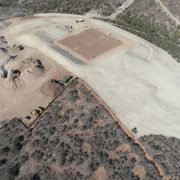
The FRS II project, which began construction in spring 2020, includes a new 5-million-gallon underground covered reservoir, a flow control facility and pipeline interconnections. The reservoir is covered with soil and vegetation, except for several access hatches and vents that allow for air movement inside the reservoir. FRS II is the Water Authority’s second underground water tank located in Mission Trails Regional Park – the other one, located just west of the new one, is a treated water tank. The two tanks work to efficiently move water through the region, ultimately to customer’s homes and businesses.

“The Water Authority thanks the community for their patience while crews work to successfully build this important water delivery project,” said Michael Heu, the Water Authority’s construction manager for the project. “With the project completed, we are pleased to reopen the park trails which were previously impacted due to construction activity. The public’s safety was a top priority during this work.”

During construction, the Water Authority worked in partnership with key stakeholders, community partners, and the public to keep them well-informed about project status and park trail closures. Key construction highlights include:

  • Approximately 150,000 cubic yards of dirt excavated, with only 20,000 cubic yards exported
  • More than 100 concrete pours deposited 6,000 cubic yards of reinforced concrete
  • 100 columns inside the FRS II support the roof

The FRS II further enhances the Water Authority’s regional water delivery system – a system capable of delivering 900 million gallons of water each day to its 24 member agencies. The new Flow Control Facility delivers from 1 to 140 cubic feet per second of water to member agencies downstream of Mission Trails Regional Park.

Commitment to the Environment

While the Mission Trails Regional Park is known for its 8,000 acres of open space that draw hikers and outdoor enthusiasts, major sections of the Water Authority’s regional water delivery system run underground in the western portion of the park. When construction is required for pipeline maintenance or upgrading water facilities, the Water Authority makes minimizing the impact on the environment a top priority and the construction of the FRS II was no different.

Under the 2006 Good Neighbor agreement with the Mission Trails Regional Park Citizen’s Advisory Committee, the Water Authority is committed to rehabilitating any native habitats and open spaces in the park that are disturbed during construction to their natural state.

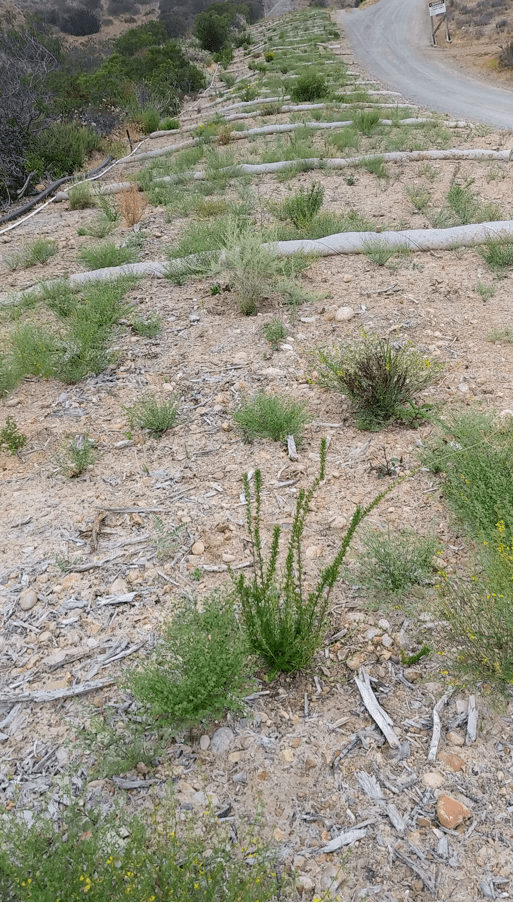
Since construction of the FRS II required some removal of native plants, the Water Authority pledged to plant and restore native vegetation of about 17 acres in the park.
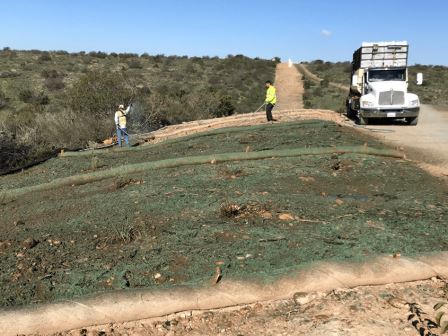
Efforts for Revegetation and Hydroseeding

A critical part of successfully restoring the plant life began with mapping the plant habitats and soil types in the construction areas, then harvesting seeds from the native plants.

Before construction began in 2020, approximately 225 pounds of live seed were gathered from within the park and taken to a dedicated nursery. From these seeds, more than 22,000 native plants were grown and are currently being planted over a 17-acre area.

“The seeds harvested from the park prior to construction were twice as fertile than expected, which led to great success in growth,” said Summer Adelberg, Water Authority Principal Water Resource Specialist, who leads the revegetation efforts for the project. “We are pleased with the large number of plants already established throughout the project.”

Monitoring and Maintenance of Restored Areas

While water has already begun flowing through the underground storage tank structure, the restoration work and regrowth in the construction areas is far from over.

Once the planting is complete, each restored site will undergo a 120-day plant establishment period where the areas will be watered, weeded and maintained. That will be followed by a five-year maintenance and monitoring period to ensure the successful growth of the new plants.

In a few years, when revegetation has succeeded, you could be standing on top of nearly five million gallons of water and the only evidence of the massive underground tank will be small service hatches surrounded by native plants.

City of San Diego to Release Water from Hodges Reservoir into San Dieguito River

SAN DIEGO – Due to past rainfall and a state mandate with regard to water level, the City of San Diego is scheduled to release approximately 250 million gallons of water from Hodges Reservoir into the San Dieguito River. This will lower the current water level by approximately 2 feet. The water release, using valves in the dam, is scheduled to begin Monday, Nov. 28, 2022, and will continue for approximately two days until the reservoir elevation is approximately 275 feet.

Colorado River Managers Looking to Release Less Water from Lake Powell

Colorado River managers looking to protect critical infrastructure at Lake Powell’s Glen Canyon Dam are seeking the ability to release less water from Powell next year as they work to rebalance demand on the troubled river. “We are taking immediate steps now to revise the operating guidelines to protect the Colorado River System and stabilize rapidly declining reservoir storage elevations,” reclamation commissioner Camille Touton said late last week in a written statement.

City Finds More Issues at 104-Year-Old Hodges Dam, Repair Timeline Pushed Back to 2023

While repairing parts of Hodges Reservoir Dam, city workers found additional defects that need to be addressed, likely delaying the completion of repairs by several months, the city announced Monday.

During a prior inspection, city workers identified areas in the dam wall that required repair and needed to be sealed. To access areas on the dam for repair, the water level of the reservoir was lowered 18 feet to an elevation of 275 feet by transferring water to other reservoirs and treatment plants, officials said.

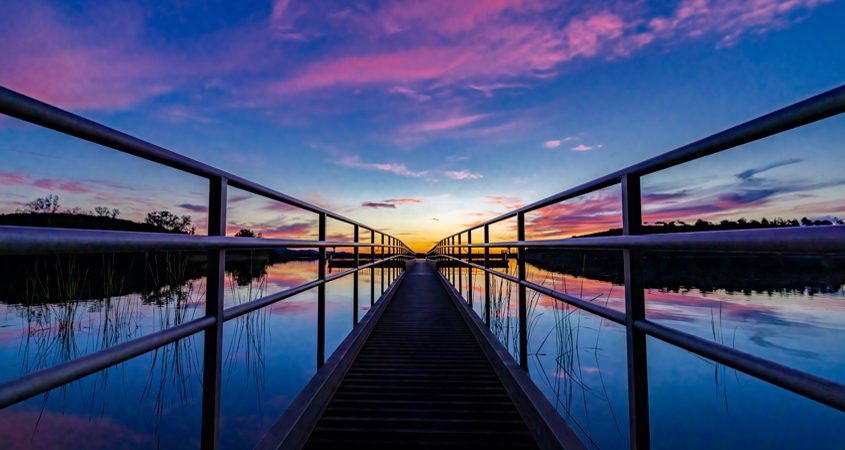
First Place winner: John Wozny, “Casting A Sunset.” Photo: Helix Water District Lake Jennings 2022

Lake Jennings 2022 Spring Photo Contest Winners Depict Lake Activities

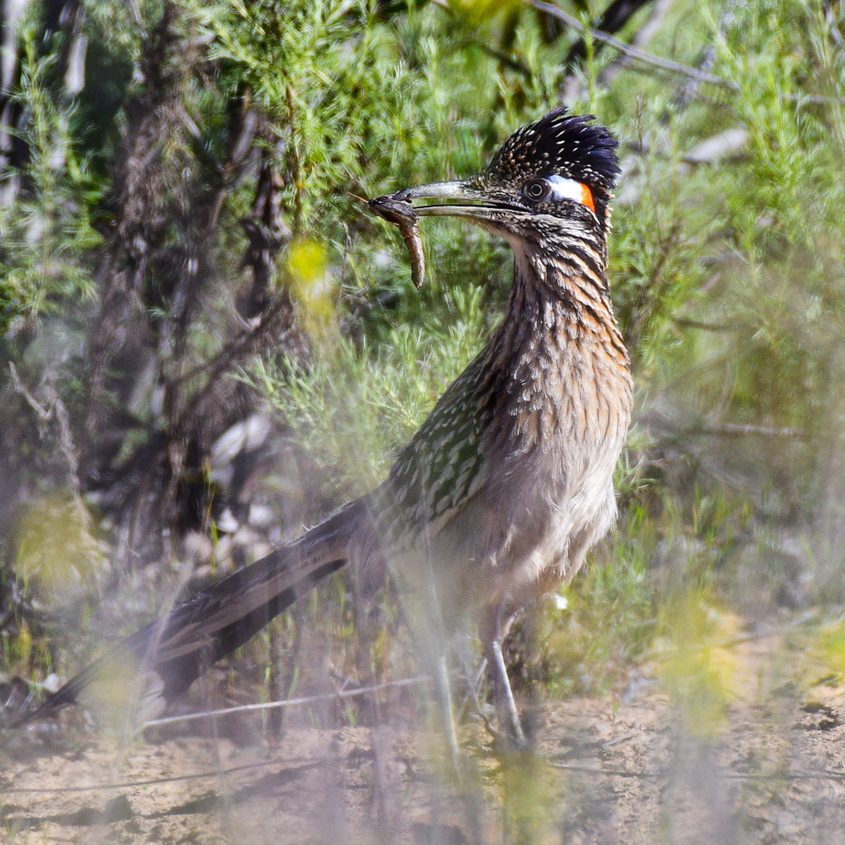
Sunsets, wildlife, and family fun inspired the winning photos in the 2022 Lake Jennings Spring Photo Contest, held by the Helix Water District. Winners were named this week and recognized at the June Governing Board meeting.

The water district offers two yearly contests to connect with their customers and recognize their achievements.

Now in its 11th year, the contest drew 47 entries from throughout San Diego County. This year’s entries highlighted the unique beauty of camping, fishing, hiking, spotting wildlife, and enjoying the view at Lake Jennings. The contest was open for photos taken between March 1 and May 31, 2022. The following photographers took top honors.

2022 Spring Photo Contest Adult Category

First Place winner: John Wozny, “Casting A Sunset.” Photo: Helix Water District Lake Jennings 2022

First Place: John Wozny, “Casting A Sunset.” Photo: Helix Water District


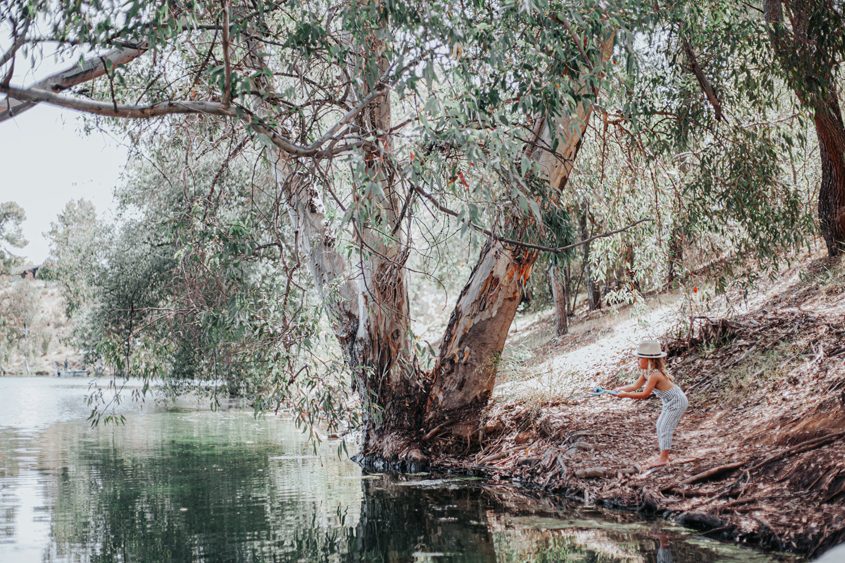
Second Place winner: Crystian Baird, “No Shoes, No Problem.” Photo: Helix Water District Lake Jennings 2022

Second Place: Crystian Baird, “No Shoes, No Problem.” Photo: Helix Water District


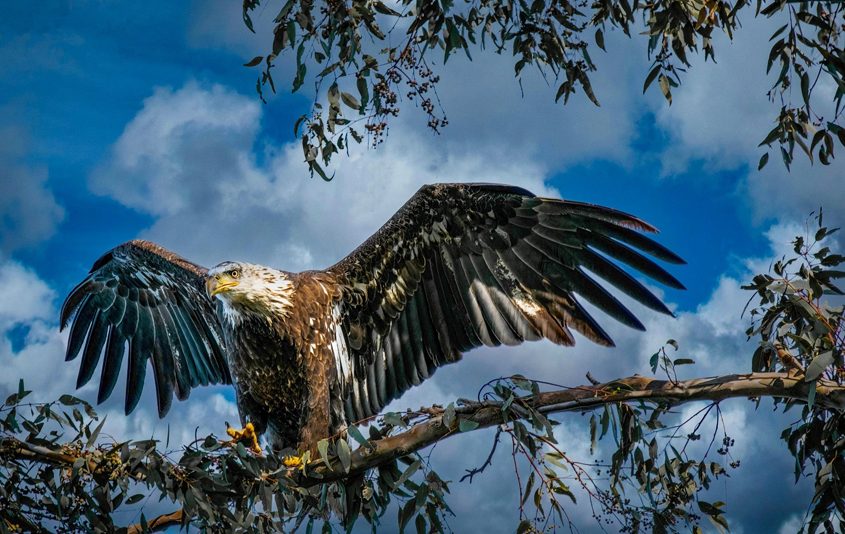
Third Place winner: John Wozny, “The Eagle Has Landed.” Photo: Helix Water District Lake Jennings 2022

Third Place: John Wozny, “The Eagle Has Landed.” Photo: Helix Water District

2022 Spring Photo Contest Youth Category

First Place winner: Lucas Sides, “Lunch.” Photo: Helix Water District

First Place: Lucas Sides, “Lunch.” Photo: Helix Water District


Second Place winner: Lucas Sides, “A Day At The Lake.” Photo: Helix Water District

Second Place: Lucas Sides, “A Day At The Lake.” Photo: Helix Water District

Third Place winner: Lydia McQuiddy, “Blue Sky Day.” Photo: Helix Water District

Third Place: Lydia McQuiddy, “Blue Sky Day.” Photo: Helix Water District

The winning photos are also available on Lake Jennings’ Facebook page and the District’s website.

Scenic community resource for six decades

Lake Jennings is among San Diego County’s most scenic parks. The lake is a drinking water reservoir in Lakeside, California, owned and operated by Helix Water District.

Lake Jennings is named for William H. Jennings, an attorney who grew up on his family farm in Lakeside. He served as San Diego County Water Authority general counsel for 26 years and served on the California Water Commission. Jennings played a significant role in the State Water Project in the 1950s and helped secure imported water for San Diego County In the 1960s. The lake was named in his honor in 1964.

(Editor’s note: The Helix Water District is one of the San Diego County Water Authority’s 24 member agencies that deliver water across the metropolitan San Diego region.)

Hauck Mesa Storage Reservoir

Hauck Mesa Storage Reservoir Moving to Completion

The San Diego County Water Authority Hauck Mesa Storage Reservoir project in North San Diego County reached a major milestone in late April when crews poured the concrete roof of the new prestressed concrete water tank. The major construction project, which began in March 2021, will improve drinking water supply reliability for the county.

The project began with the demolition of an abandoned steel tank, and includes construction of an isolation vault and an underground flow control facility, in addition to the new 2.1 million-gallon water tank connected to the Valley Center Pipeline. The project is expected to be completed by November 2022.

Improved flexibility with Hauck Mesa Reservoir

The new Hauck Mesa Storage Reservoir will increase operational flexibility by balancing the flow of treated water between the agency’s first and second aqueducts as well as ensure water deliveries can be maintained even if power supplies are interrupted.

The walls of the new tank are about 60 feet tall, will be stained a forest green color to blend in with the natural landscape, and are made of prestressed, or wire wrapped, concrete. Construction Manager Emma Ward-McNally said that the prestressed technology “will maintain the tank walls in permanent compression, allowing the tank to accommodate seismic events while remaining watertight.”

Next steps for the project include the wire wrapping of the water tank, applying green-tinted shotcrete to the tank walls, installation of mechanical components within the flow control facility, system commissioning, and paving of the project site and access road.

Asset management

Strategic infrastructure improvements by the Water Authority and its 24 member agencies are part of the regional effort to ensure continued delivery of water to support the region’s $240 billion economy and the quality of life for 3.3 million residents. As part of the asset management program, it is critical to actively replace and repair the Water Authority’s assets, which include pipes, valves, facilities, equipment, and other infrastructure.

The Water Authority will continue to work closely with the Valley Center community, Valley Center Municipal Water District, and nearby homeowners to minimize short-term construction impacts.

New Water Tank in Mission Trails Nearly Complete and Will Soon Disappear

Construction of the new Flow Regulatory Structure II, or FRS II, in Mission Trails Regional Park is nearing completion. The structure is now completely enclosed on all sides and was successfully tested.

Construction crews have started placing soil around the exterior walls to begin burying the structure. In the next three weeks, the roof will be covered so the facility is concealed. Water is expected to begin flowing into FRS II in June 2022.

Hodges Reservoir Will be Closed for Recreation During Five-Month Project

In the coming weeks, the City of San Diego will begin emergency repairs on the Lake Hodges Dam at the Hodges Reservoir in Escondido outside of Rancho Santa Fe.

During a recent inspection, the city identified areas in the dam wall that require repair and need be sealed. In order to complete the work, the water level of the reservoir needs to be lowered by about 18 feet from its current level to an elevation of 275 feet.

The repair project is expected to continue for an estimated five months.

underground-tank-mission-trails

New Water Tank in Mission Trails Nearly Complete and Will Soon Disappear

Construction of the new Flow Regulatory Structure II, or FRS II, in Mission Trails Regional Park is nearing completion. The structure is now completely enclosed on all sides and was successfully tested.

Construction crews have started placing soil around the exterior walls to begin burying the structure. In the next three weeks, the roof will be covered so the facility is concealed. Water is expected to begin flowing into FRS II in June 2022.

Mission Trails Regional Park project

The new structure, located in the northwest portion of Mission Trails Regional Park, is part of a San Diego County Water Authority project to upgrade the untreated water system that delivers water to treatment plants servicing the central and southern areas of the county, helping to balance the flow of untreated water. Once in operation, the FRS II will be capable of holding nearly five million gallons of water – enough water to fill seven Olympic-sized swimming pools.

Area will be restored with natural vegetation

Revegetation efforts will begin after FRS II is work is complete this fall. The topsoil was removed and stored onsite and will be returned help restore native plants and vegetation to pre-construction conditions.

Before the project began, 225 pounds of live seed was gathered from within Mission Trails Regional Park and taken to a dedicated nursery. From these seeds, more than 22,000 native plants are being grown and will be planted over a 17-acre area. Once planted, there will be a 120-day plant establishment period followed by five years of maintenance and monitoring to assure successful implementation.

Construction began in March 2020 just as the coronavirus pandemic began. As an essential infrastructure project, construction on the water project continued during the pandemic.

The Water Authority operates and maintains a regional water delivery system capable of delivering 900 million gallons of water per day.

Watch a recent news story about the project nearing completion.

Repair Work on Hodges Dam to Begin

As part of continuing efforts to maintain and invest in City of San Diego infrastructure, repair work starts within the next two weeks on Hodges Dam, at the Hodges Reservoir north of Rancho Bernardo.

“It’s been over a century since Hodges Dam was constructed, and we are making significant investments to maintain this vital asset,” said Alia Khouri, Deputy Chief Operating Officer.