Tag Archive for: habitat

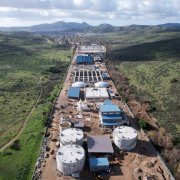
Construction begins soon on the new East County AWP energy recovery system, which will provide up to 30% of the project’s energy needs, saving the operators and ratepayers money. Photo: East County AWP

East County AWP Reports Progress, Hosts Outreach Event Jan. 17

Construction is progressing at the various project sites for the East County Advanced Water Purification Program. The past year saw a number of accomplishments, bringing the initiative one step closer to the finish line.

Watch the latest East County AWP video presentation.

The East County AWP Outreach team will kick off 2026 with a pop-up event for the public at Mission Trails Regional Park on Saturday, January 17, from 8 a.m. to 11 a.m.

Representatives will answer questions and share information about the pipeline work underway within Mission Trails Regional Park, including rehabilitation of an existing sewer pipeline, and installation of a new nine-mile residuals pipeline along Father Junipero Serra Trail within the park. Visit the project’s website for more details.

Work to install a temporary sewer bypass pipeline is complete, allowing work to continue during rainy months without risking a sewer spill and protecting wildlife and waterways.

Education Center Nears Completion
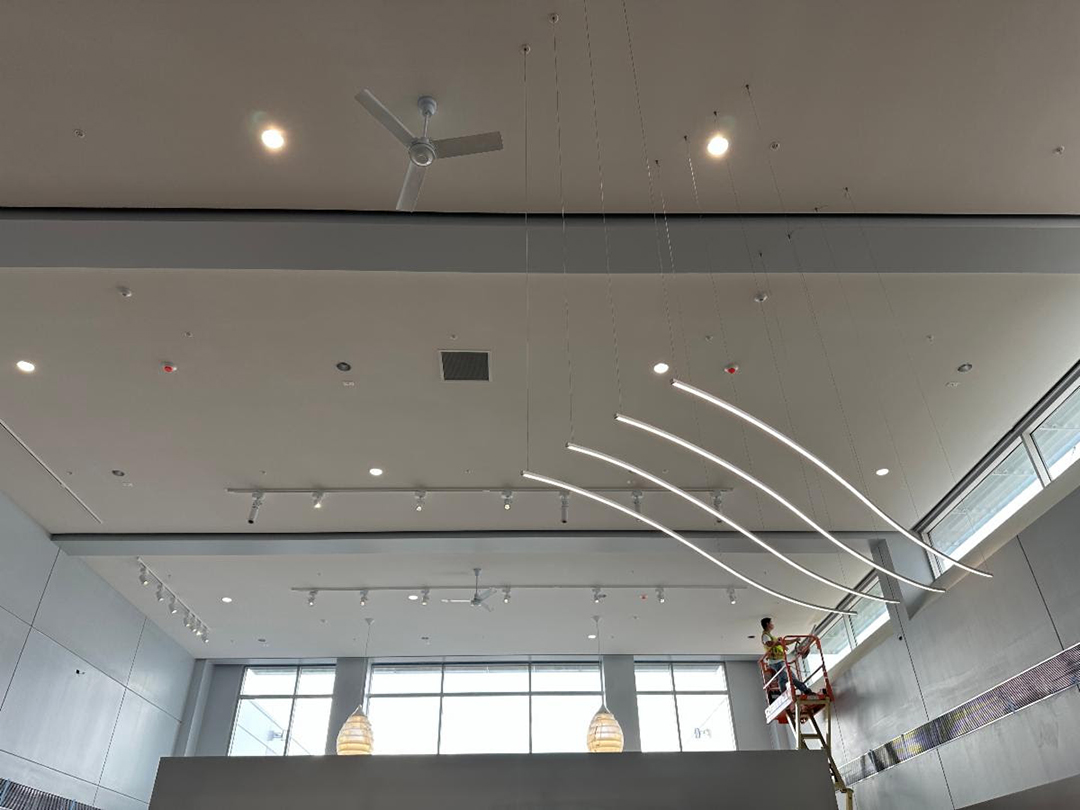
The lights are on at the East County AWP's Education Building, which also houses administrative offices and a new laboratory. Photo: East County AWP

The lights are on at the East County AWP’s Education Building, which also houses administrative offices and a new laboratory. Photo: East County AWP

The new Education Center building, which will also house the administrative offices and a brand-new laboratory, is now 90% complete. San Diego Gas and Electric finished its work on the new treatment facility’s main electrical room, and power is now available for its operations. With electricity in place, the team is gearing up for the next milestone: installing the East County AWP sign outside the building.
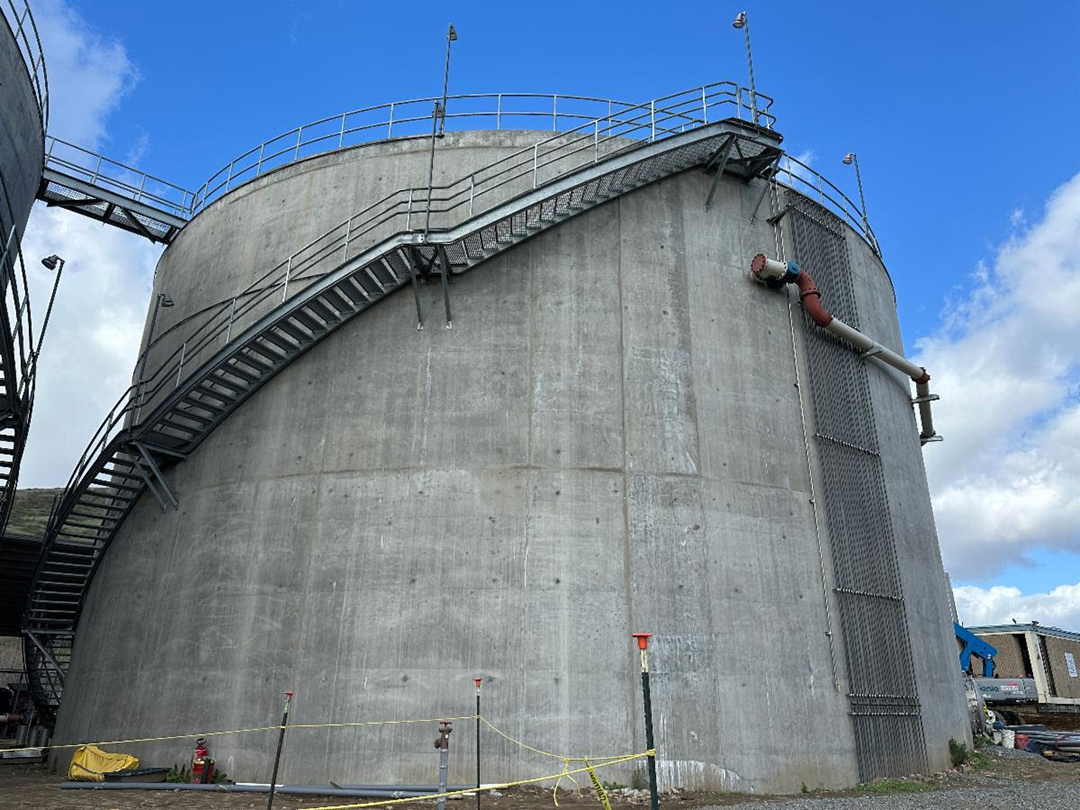
Each digester can store up to 1.4 million gallons, and stands 46 feet high and measures 75 feet in diameter. Photo: East County AWP

Each digester can store up to 1.4 million gallons, and stands 46 feet high and measures 75 feet in diameter. Photo: East County AWP

Next, construction will get underway on the energy recovery system. Located north of the Education Center, Anaergia is working on the final design, with construction scheduled this winter. The methane produced by three digesters will be captured and used to generate both heating and electricity. The energy recovery system will provide up to 30% of the project’s energy needs, saving the operators and ratepayers money.

Crews are preparing for the installation of the final 3,500 feet of 36-inch wastewater pipeline. Work is active at the East Mission Gorge Pump Station and just south of Lake One at Santee Lakes. This segment is set to be completed this summer.

The East County AWP successfully secured two critical water discharge permits from the San Diego Regional Water Control Board, a significant operational milestone.

Mast Boulevard Construction Progress 
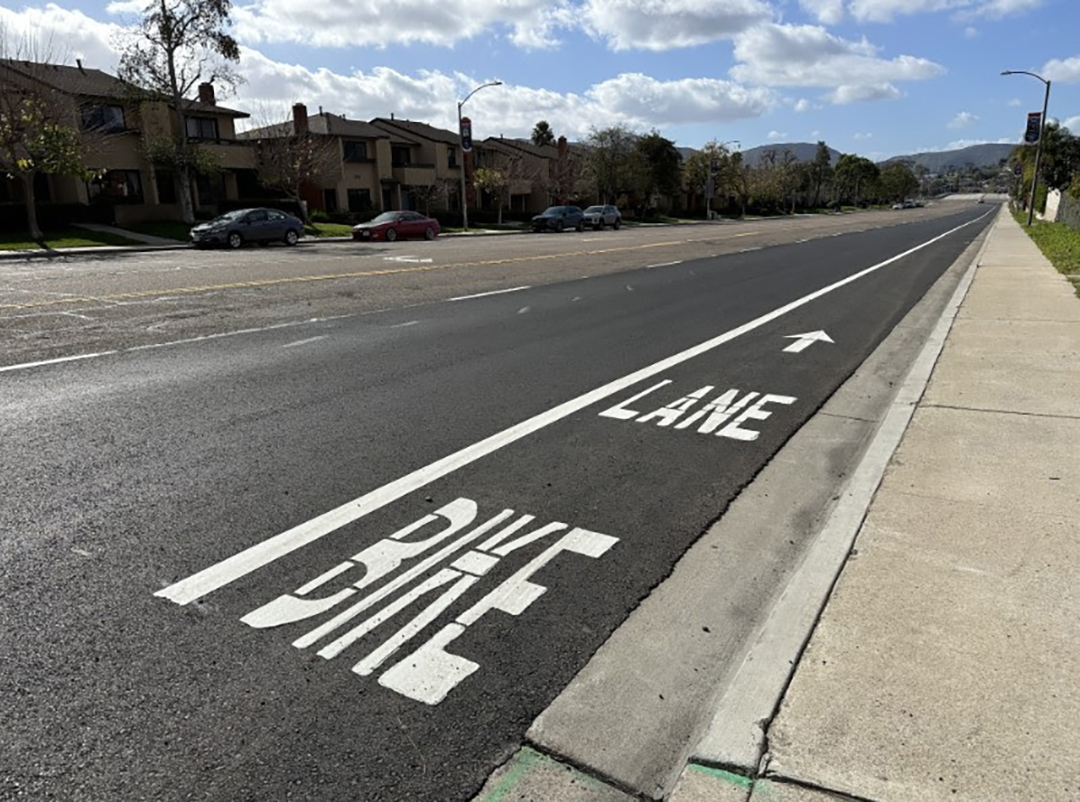
Construction work is complete and Mast Boulevard from Fanita Parkway to Vomac Road is now restored. Photo: East County AWP

Construction work is complete and Mast Boulevard from Fanita Parkway to Vomac Road is now restored. Photo: East County AWP

Mast Boulevard from Fanita Parkway to Vomac Road is a whole lot smoother after completion of final paving and striping work.

Crews are continuing work on Mast Boulevard from Vomac Road to W. Hartland Circle and are expected to wrap up by mid-to-late February. There is a 24-hour temporary closure of the second westbound lane near the work area. Expect paving and striping after these repairs are complete.

Habitat Restoration Restores Native Plants
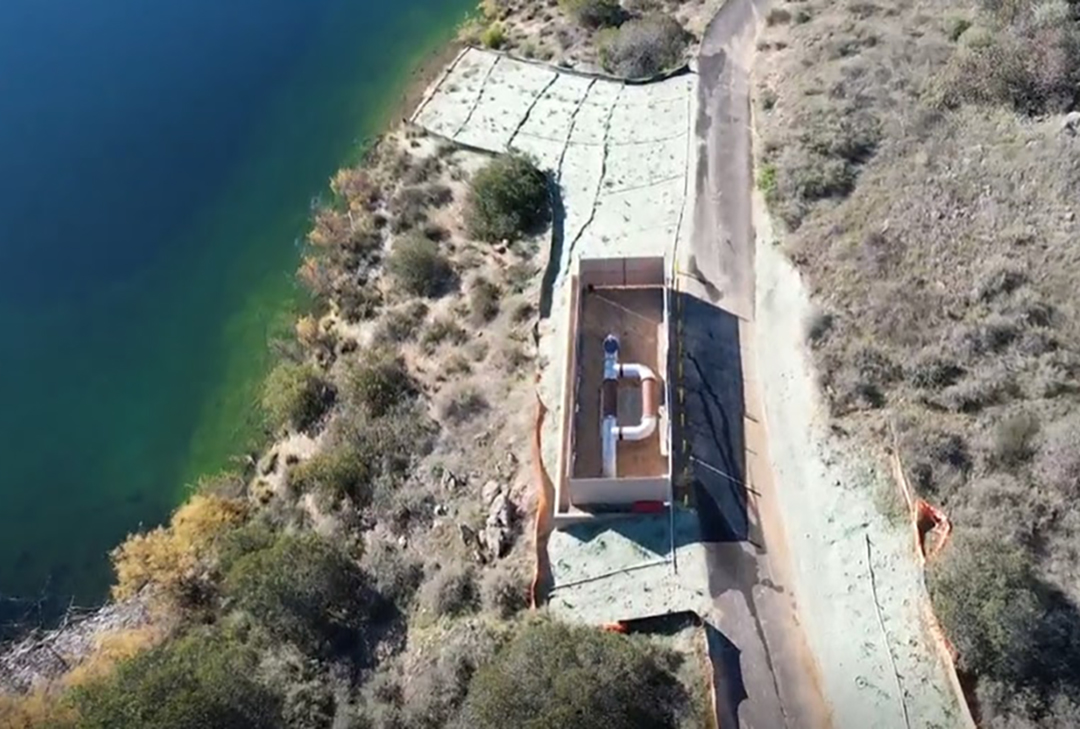
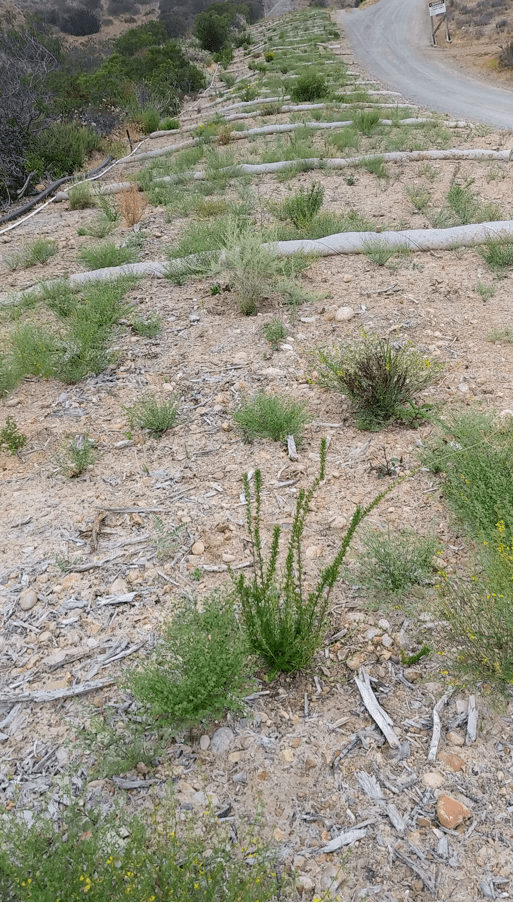
Native plants are being reintroduced after construction has been completed in several areas including at Lake Jennings. Photo: East County AWP

Native plants are being reintroduced after construction has been completed in several areas including at Lake Jennings. Photo: East County AWP

As part of ongoing restoration following the installation of purified and wastewater pipelines, new plantings were installed last month around Lake Jennings, the Historic Flume Trail, El Monte Road, Laurel Canyon Road, and the end of Mast Boulevard.

These plants are native to San Diego and the surrounding area. They include California sagebrush, San Diego County sunflower, bush sunflower, California buckwheat, laurel sumac, lemonade berry, and spiny redberry.

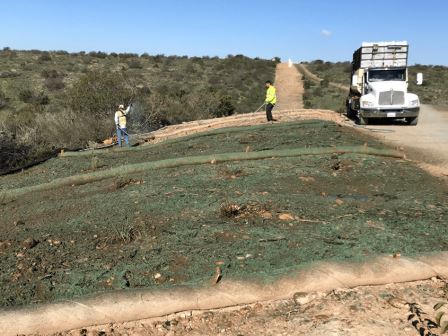
Planting is also being done north of Ganley Road, and hydroseeding near the East Mission Gorge Pump Station and along Fanita Parkway will bring a more vibrant landscape to East County for years to come.

Overnight Work Continues Through February

Overnight work on a wastewater pipeline continues along Fairmount Avenue between Twain Avenue and Mission Gorge Road in San Diego between 8:30 p.m. and 5:30 a.m., Monday through Thursday. Noise and bright lights, along with road and lane closures, may affect traffic and nearby residents and businesses. Home access will be maintained at all times. Work should be complete at the end of February.

Interactive Map Helps Residents Stay Updated On Program Progress
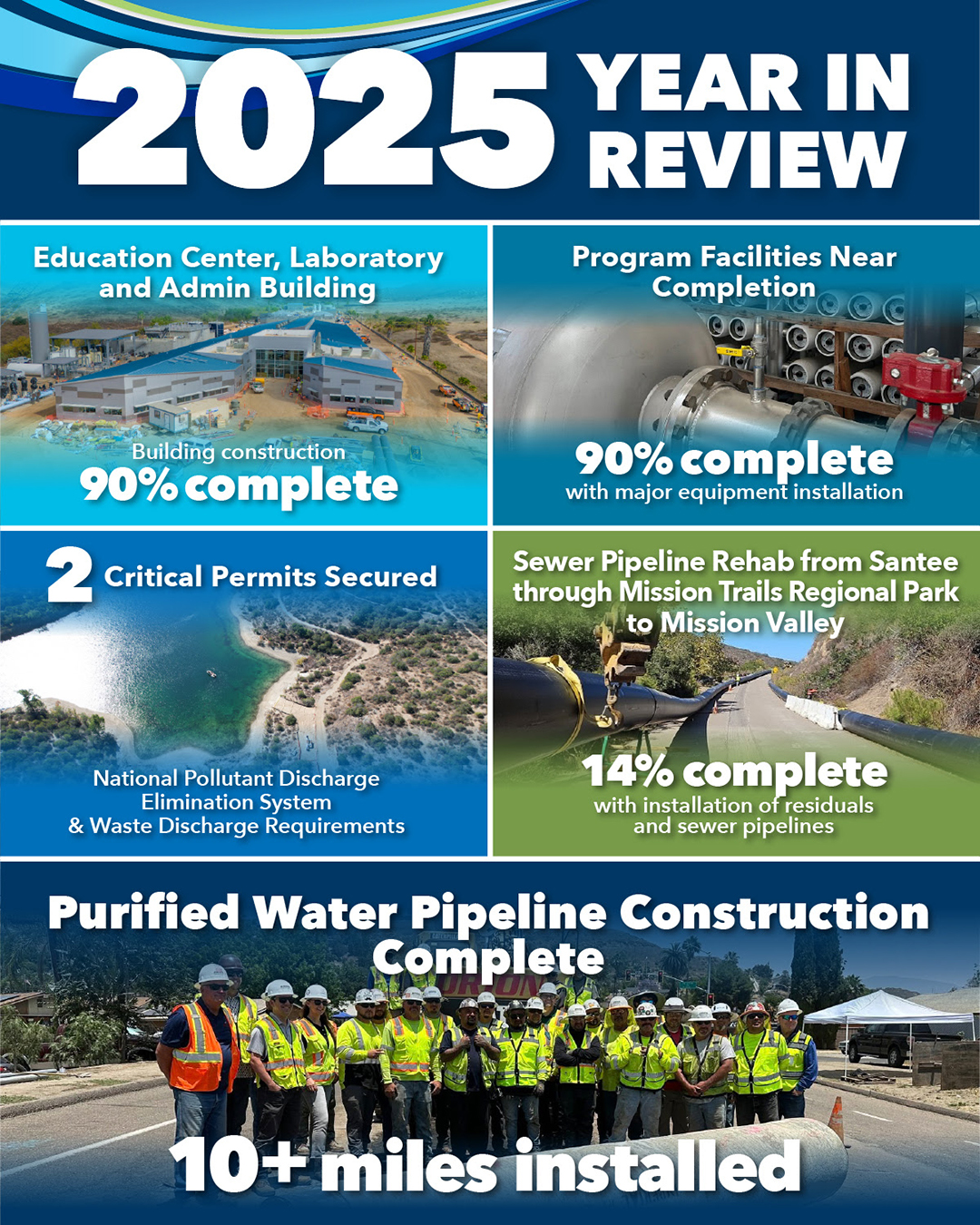
The East County Advanced Water Program made significant progress in 2025.

The East County Advanced Water Program made significant progress in 2025.

When completed, water from this project will provide potable water to customers in Padre Dam Municipal Water District, Helix Water District, and Lakeside Water District service areas, and the northern portion of the Otay Water District.

With construction in multiple locations throughout east county, the Program’s interactive map offers a useful tool for residents and businesses to track where work is happening. The map is updated regularly and accessible 24/7 through the EastCountyAWP.com website. Information is also available via social media at @eastcountyawp




The Santee Lakes holiday light show "Lights at the Lake" moves to a new location at the campgrounds for 2024. Photo: San Diego Convention & Visitors Bureau holiday activities

San Diego Reservoirs Offer Community Holiday Activities

San Diego County’s most popular reservoir recreation areas offer special holiday season events through 2024 and host winter activities during the region’s cooler months.

Holiday Spirit at Santee Lakes

“Lights at the Lake” at the Santee Lakes Recreation Preserve features 100,000 lights and three dozen displays nightly through December 31. Photo: Santee Lakes Recreation Preserve holiday activities

“Lights at the Lake” at the Santee Lakes Recreation Preserve features 100,000 lights and three dozen displays nightly through December 31. Photo: Santee Lakes Recreation Preserve

Enjoy San Diego County’s mild weather and spend Thanksgiving at Santee Lakes Recreation Preserve. Campground space is available. A three-night minimum stay is required, but you won’t want to leave.

Santee Lakes hosts its annual “Lights at the Lake” drive-through holiday show from Sunday, December 1, to December 31. The show will be moved to the Campground in 2024 for a brilliant camping experience.

Visitors will enjoy three dozen beautiful displays with over 100,000 lights to make holidays bright. You can walk through the tunnel of lights or use a golf cart. Hours are 5 p.m. through 8 p.m. (closed Christmas Eve and Christmas Day). You must buy tickets in advance.  More information about Lights at the Lake here.

A full list of additional holiday events including Christmas cookie making, crafts, and holiday movies plus visits with Santa are listed on the Santee Lakes website.

For the third year in a row, Santee Lakes Recreation Preserve was nationally recognized by the Outdoor Hospitality Industry (formerly ARVC) as its large/mega park Plan-it Green Park of the Year for its environmentally friendly practices across all areas of park operations and its commitment to sustainability.

Originally opened to the public in 1961, today, Santee Lakes Recreation Preserve hosts over 760,000 visitors annually. The 190-acre park’s lakes are stocked with fish year-round. Other amenities include camping, cabin rentals, fishing, boating, playgrounds, walking trails, facility rentals, special events, and approximately 230 bird species.

Lake Jennings Open For Winter Fun

Lake Jennings hosts a holiday "Gratitude Walk" to benefit the San Diego Food Bank. holiday activities

Lake Jennings hosts a holiday “Gratitude Walk” to benefit the San Diego Food Bank.

Share your Thanksgiving blessings and walk off the pumpkin pie at the Lake Jennings Gobble and Go Gratitude Walk. Walk the five-mile plus perimeter loop during the lake’s operating hours on November 25, 26, and 27. Bring a food item for donation to the San Diego Food Bank, and your day-use entry fee will be waived. Check this list of the most desired food donations. Please, no glass jars or homemade items.

Lake Jennings opened its annual trout fishing season on November 15 and is open daily except on Christmas Day from 6 a.m. to 5 p.m. through January 7. The lake will be restocked regularly every two weeks from November 25 through April 14 with 19,000 pounds of trout.

The lake will be open for its New Moon Fishing event on Saturday, November 30, and Saturday, December 28, from 6 a.m. to 10 p.m. Visitors can enjoy fishing, boating, hiking, picnicking, sunset watching, star gazing, and firepit rentals. Get more information about activities at https://lakejennings.org/

Lake Jennings is an exceptional destination during winter months for serious and casual wildlife viewers and photographers.

Sweetwater Reservoir Birdwatching in Winter Season

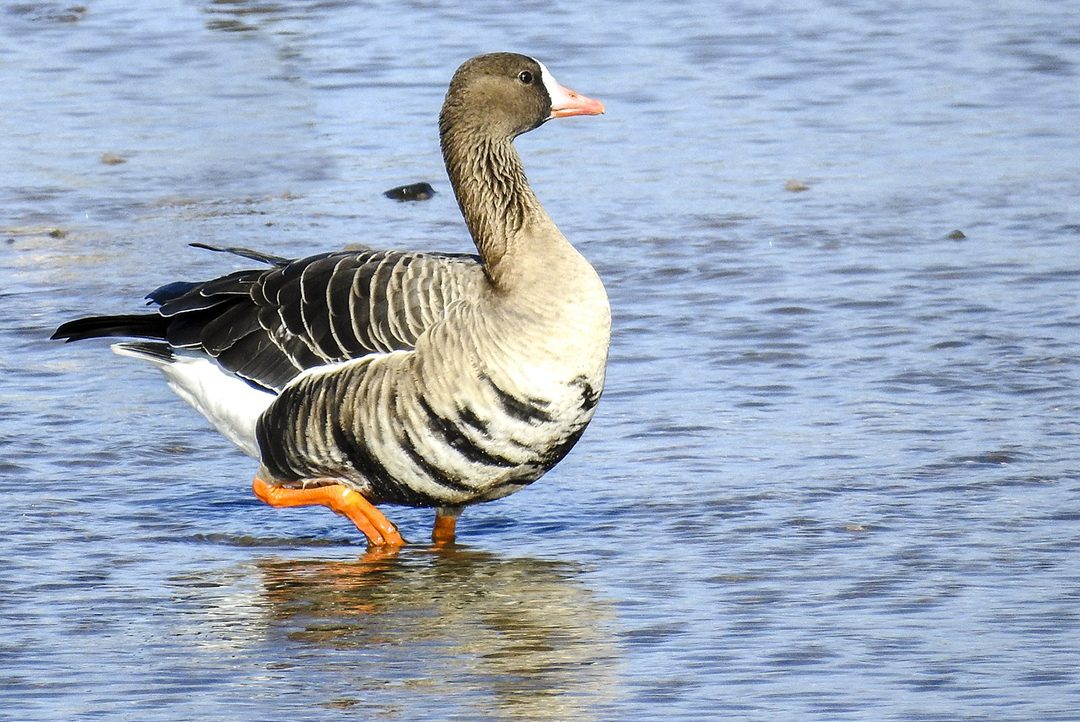
Look for the greater white-fronted goose at Sweetwater Reservoir You may remember a greater white-fronted goose that landed on the field during a San Diego Padres playoff game in 2023. These birds breed in Alaska and Canada before making their way south toward Mexico for the winter. Photo: Kathy Buscher

Look for the greater white-fronted goose at Sweetwater Reservoir. You may remember a greater white-fronted goose that landed on the field during a San Diego Padres playoff game in 2023. These birds breed in Alaska and Canada before heading south toward Mexico for the winter. Photo: Kathy Buscher

The range of habitats at the Sweetwater and Loveland Reservoirs supports diverse bird populations. Their proximity to the Pacific Flyway means many migratory species pass through on their way to warmer areas, making the winter months ideal for birdwatching and wildlife walks to burn off holiday meals.

Over 250 bird species have been documented at the Sweetwater Reservoir. Sweetwater Authority welcomes birds and other wildlife as part of its stewardship of the natural watershed, which helps keep reservoir water quality high and supports the balance of human and environmental needs.

View birds from public access areas at the Sweetwater Reservoir or Loveland Reservoir. Bring binoculars, a bird guide, and a notebook.

FRS II- Mission Trails- Flow Control Facility

Mission Trails Water Project Completed; Park Trails Reopened

One of the San Diego County Water Authority’s large-scale capital improvement projects – the Mission Trails Flow Regulatory Structure II and Flow Control Facility (FRS II) – is now completed. The project upgraded the Water Authority’s untreated water supply system by improving the delivery of water to treatment plants serving the central and southern areas of San Diego County.

The FRS II project, which began construction in spring 2020, includes a new 5-million-gallon underground covered reservoir, a flow control facility and pipeline interconnections. The reservoir is covered with soil and vegetation, except for several access hatches and vents that allow for air movement inside the reservoir. FRS II is the Water Authority’s second underground water tank located in Mission Trails Regional Park – the other one, located just west of the new one, is a treated water tank. The two tanks work to efficiently move water through the region, ultimately to customer’s homes and businesses.

“The Water Authority thanks the community for their patience while crews work to successfully build this important water delivery project,” said Michael Heu, the Water Authority’s construction manager for the project. “With the project completed, we are pleased to reopen the park trails which were previously impacted due to construction activity. The public’s safety was a top priority during this work.”

During construction, the Water Authority worked in partnership with key stakeholders, community partners, and the public to keep them well-informed about project status and park trail closures. Key construction highlights include:

  • Approximately 150,000 cubic yards of dirt excavated, with only 20,000 cubic yards exported
  • More than 100 concrete pours deposited 6,000 cubic yards of reinforced concrete
  • 100 columns inside the FRS II support the roof

The FRS II further enhances the Water Authority’s regional water delivery system – a system capable of delivering 900 million gallons of water each day to its 24 member agencies. The new Flow Control Facility delivers from 1 to 140 cubic feet per second of water to member agencies downstream of Mission Trails Regional Park.

Commitment to the Environment

While the Mission Trails Regional Park is known for its 8,000 acres of open space that draw hikers and outdoor enthusiasts, major sections of the Water Authority’s regional water delivery system run underground in the western portion of the park. When construction is required for pipeline maintenance or upgrading water facilities, the Water Authority makes minimizing the impact on the environment a top priority and the construction of the FRS II was no different.

Under the 2006 Good Neighbor agreement with the Mission Trails Regional Park Citizen’s Advisory Committee, the Water Authority is committed to rehabilitating any native habitats and open spaces in the park that are disturbed during construction to their natural state.

Since construction of the FRS II required some removal of native plants, the Water Authority pledged to plant and restore native vegetation of about 17 acres in the park.

Efforts for Revegetation and Hydroseeding

A critical part of successfully restoring the plant life began with mapping the plant habitats and soil types in the construction areas, then harvesting seeds from the native plants.

Before construction began in 2020, approximately 225 pounds of live seed were gathered from within the park and taken to a dedicated nursery. From these seeds, more than 22,000 native plants were grown and are currently being planted over a 17-acre area.

“The seeds harvested from the park prior to construction were twice as fertile than expected, which led to great success in growth,” said Summer Adelberg, Water Authority Principal Water Resource Specialist, who leads the revegetation efforts for the project. “We are pleased with the large number of plants already established throughout the project.”

Monitoring and Maintenance of Restored Areas

While water has already begun flowing through the underground storage tank structure, the restoration work and regrowth in the construction areas is far from over.

Once the planting is complete, each restored site will undergo a 120-day plant establishment period where the areas will be watered, weeded and maintained. That will be followed by a five-year maintenance and monitoring period to ensure the successful growth of the new plants.

In a few years, when revegetation has succeeded, you could be standing on top of nearly five million gallons of water and the only evidence of the massive underground tank will be small service hatches surrounded by native plants.

Final Plan for Water Releases Into Sacramento River Could Kill Up to 88% of Endangered Salmon Run

The California water board has approved a plan for water releases into the Sacramento River that could kill off an entire run of endangered chinook salmon and put at risk another population that is part of the commercial salmon fishery.

The State Water Resources Control Board has informed the federal Bureau of Reclamation it would accept its final plan for managing water flows from Shasta Lake into the Sacramento River, which is both the main source of water for Central Valley farms and the spawning habitat for chinook salmon. Because the bureau’s plan involves releasing water to irrigation districts earlier in the season, the river will be lower and warmer during salmon spawning season and could result in killing as many as 88% of endangered winter-run chinook eggs and young fish.

Salton Sea Habitat Project Breaks Ground Near New River Delta

Construction began this week on a 4,110-acre wetlands project on the Salton Sea’s playa near the mouth of the highly polluted New River, the California Department of Natural Resources announced Wednesday.

Zero Delta Smelt Found in Latest Search. New Habitat Hopes to Change That

An annual search for a tiny endangered and contentious fish in the sprawling California Delta has once again come up empty.

The state’s annual Fall Midwater Trawl Survey found no delta smelt in September’s sampling of the critical waterway. The last time the rare fish turned up in a survey was in October 2017 when just two were found. Hoping to reverse the recent trend, the Westlands Water District and the California Department of Water Resources announced the completion of a Delta habitat restoration project on Wednesday.

Opinion: A Greater Sense of Urgency Needed for Crises at the Salton Sea

The Salton Sea presents one of California’s most pressing ecological and environmental justice crises. The shrinking sea threatens habitat for millions of fish and birds, and as the sea’s shoreline recedes, a pollutant-laced dust spills into nearby communities and threatens the health of 650,000 people living nearby.

Opinion: Importing Water to Save the Salton Sea Can Work. Let’s Prove and Do It Now

The Engagement Committee of the Salton Sea Management Plan (SSMP) met June 17 on Zoom, though participating community members were neither seen or heard; they could only write comments and questions.

About 90% of the meeting consisted of management reporting on small plans to control dust and build habitat that still require federal permits, which will delay construction for another year. Also, the SSMP has approved a $19 million dollar pilot project for the North Lake.

Otay Water District Gives Burrowing Owl Homes a Makeover

Burrowing owl homes maintained by the Otay Water District received a modern makeover this year. As part of its ongoing environmental mitigation efforts, the District managed construction of new nesting burrows to encourage breeding.

Ten acres of the 240-acre, District-owned San Miguel Habitat Management Area reserve and mitigation bank in eastern Chula Vista is a dedicated native grasslands area where the new artificial burrows are located. The California Department of Fish & Wildlife has designated burrowing owls as a “Species of Special Concern.”

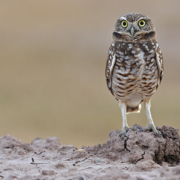
Burrowing owls get a helping hand with new habitat from the Otay Water District. Photo: Otay Water District burrowing owl homes

Otay Water District Gives Burrowing Owl Homes a Makeover

Burrowing owl homes maintained by the Otay Water District received a modern makeover this year. As part of its ongoing environmental mitigation efforts, the District managed construction of new nesting burrows to encourage breeding.

Ten acres of the 240-acre, District-owned San Miguel Habitat Management Area reserve, or HMA, and mitigation bank in eastern Chula Vista is a dedicated native grasslands area where the new artificial burrows are located. The California Department of Fish & Wildlife has designated burrowing owls as a “Species of Special Concern.” They are also protected under the Federal Migratory Bird Treaty Act.

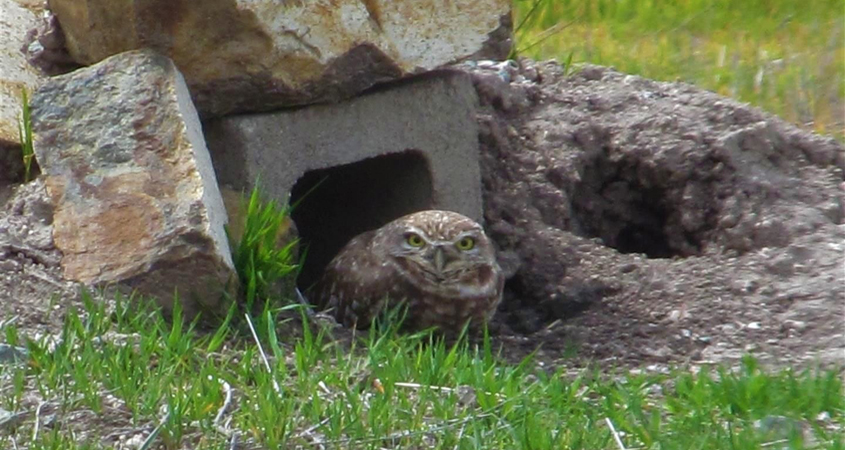
A burrowing owl in an old style burrow prior to remodeling. Photo: Otay Water Districr

A burrowing owl in an old style burrow prior to remodeling. Photo: Otay Water District

In 2019 with CDFW’s guidance, the District began planning for the retrofit of existing artificial burrows and installation of several new burrows with the most current burrow design, intending to allow for maximized breeding success. The project also enhances the value of the native grassland habitat by removing invasive plants that surround most of the artificial burrows.

“The District’s project to enhance the existing burrowing owl habitat is so important because the HMA is a protected area where the owls can safely live and breed,” said Lisa Coburn-Boyd, Otay Water District environmental compliance specialist. “Increasingly, in San Diego County, the burrowing owl population is declining because of habitat loss and fragmentation.”

Small raptors active during the day

Burrowing owls are small owls with bright yellow eyes. Unlike other owls, burrowing owls are active during the day.

Burrowing owls are also quite social. This small raptor lives among others of its own species in loose groups of up to several hundred individuals. They measure seven to 11 inches long and weigh five to nine ounces. Their diet consists of insects, small rodents, amphibian and reptile species, and carrion.

Burrowing owls will take over old mammal burrows as their homes. But in areas where small mammals aren’t present, they will also nest in shallow, underground, human-made structures.

Burrowing owl homes remodeled using new design

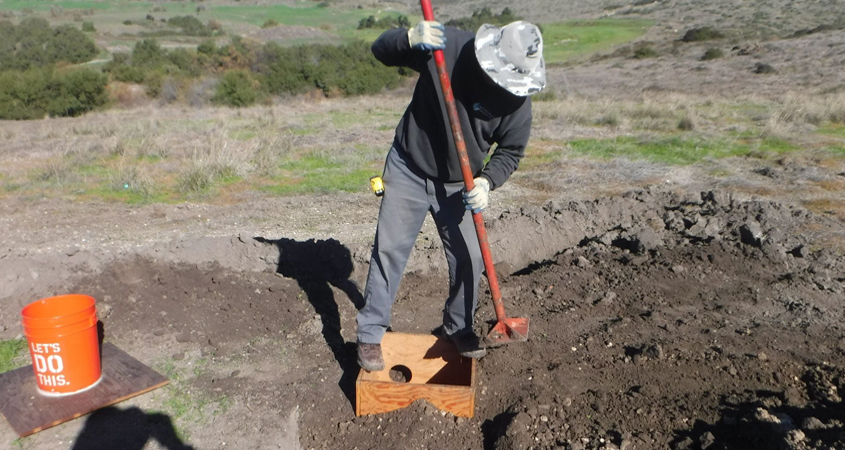
This year, the Otay Water District used the updated burrow design recommended by the CDFW and developed by the San Diego Zoo Institute for Conservation Research. Photo: Otay Water District

This year, the Otay Water District used the updated burrow design recommended by the CDFW and developed by the San Diego Zoo Institute for Conservation Research. Photo: Otay Water District

Originally, the District constructed 15 artificial burrows in 2003 as mitigation for impacts to burrowing owl burrows due to reservoir construction and the creation of the former Salt Creek Golf Course. The original burrows used an older design of the artificial burrows and their native grasslands habitat. Although the HMA had regular burrowing owl visitors during that time, breeding success was limited with no owl breeding pairs.

This year, the Otay Water District used the updated burrow design recommended by the CDFW and developed by the San Diego Zoo Institute for Conservation Research. The District retrofitted and enhanced five existing burrows and installed six new burrows. During construction of the burrows in January and February, two burrowing owls seemed interested in the construction. No breeding pairs have used the burrows this season. The District hopes they will be back to move into the newly completed burrows.

See burrowing owls on the San Diego Safari Park’s live webcam.