Tag Archive for: Water Conservation

Fresh water aboard Midway was critical to building up enough fresh-water steam to accelerate this A-6E Intruder from 0 to approximately 150 miles per hour in only three seconds. Photo: USS Midway Museum

USS Midway: A History of Sustainable Water Management

The USS Midway Museum, docked in San Diego, is the most popular naval warship museum in the United States and among the most visited museums in the country, with 1.4 million people annually coming aboard.

Those visitors discover the Midway made its own fresh water while at sea, from the first day it was commissioned in 1945 until it was taken out of active service in 1992. But when this venerable aircraft carrier found new life as the USS Midway Museum in 2004, its relationship with water entered a new era as well.

The USS Midway Museum served as host for the launch of the San Diego County Water Authority’s new education and outreach program: Brought to You by Water.

The program underscores the importance of water reliability for the region’s key industries such as tourism and the military — something the operators of the USS Midway Museum understand on multiple levels.

Supporting a floating city at sea with water supplies

Twelve massive boilers aboard Midway converted fresh water into steam, the lifeblood of any aircraft carrier. Those boilers required periodic scraping, a dirty job far below the water line. Photo: Courtesy USS Midway Museum

Twelve massive boilers aboard Midway converted fresh water into steam, the lifeblood of any aircraft carrier. Those boilers required periodic scraping, a dirty job far below the water line. Photo: Courtesy USS Midway Museum

When deployed at sea, sailors aboard the USS Midway produced 240,000 gallons of fresh water daily through 12 boilers to support the floating city of 4,500 men. From cooking pasta to feeding sailors, to propelling the catapult system launching aircraft off the flight deck, the Midway depended on a safe and reliable water supply to thrive, just as the San Diego region does today.

Two evaporator plants deep inside the ship took in seawater and produced fresh water via desalination. According to Scott McGaugh, Midway Director of Marketing, working in those “evap spaces” was among the toughest duty assignments aboard the Midway. When one of these plants went out of service, the Midway had to ration its water.

Even in the best of times at sea, sailors always lived with a limited water supply, and water conservation was standard operating procedure. Consider a “Navy shower” — getting wet for 30 seconds or less, shutting the water off, soaping up, and then a quick rinse. That was the lifestyle during deployment, including a stretch when the Midway set a deployment record for aircraft carriers — 327 consecutive days at sea.

Water conservation remains a priority

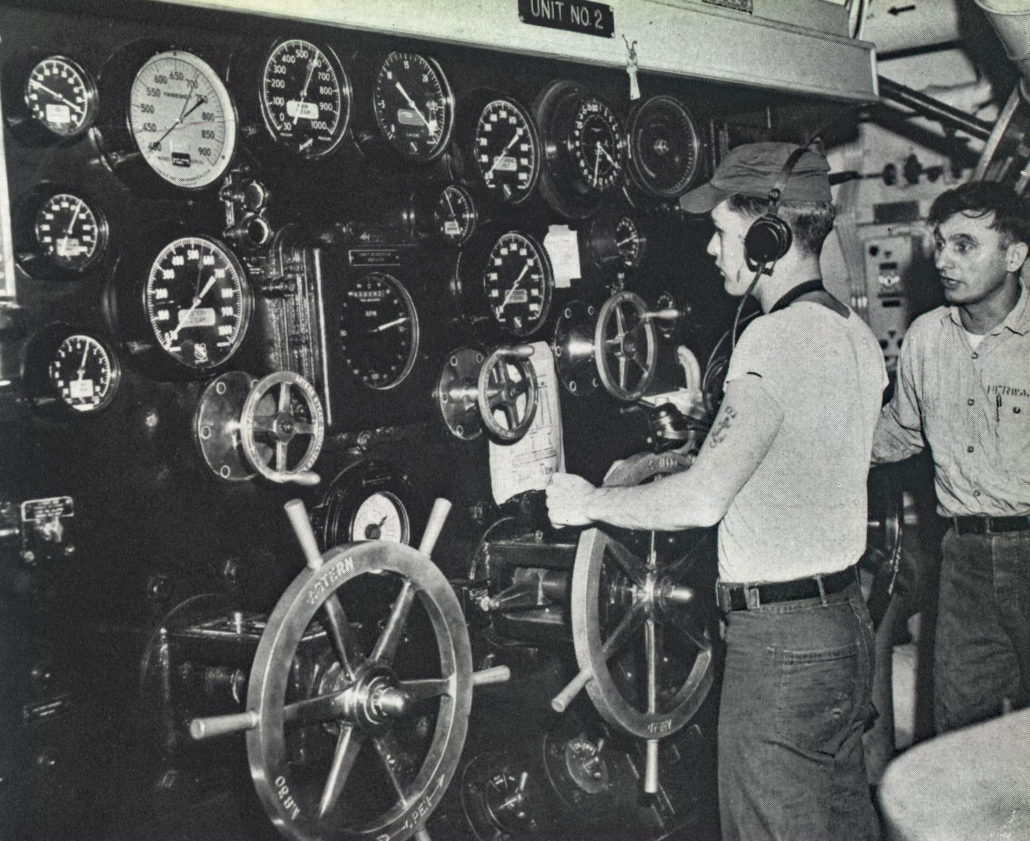
Four steam throttle boards such as this were the gas pedals aboard Midway. Sailors here in 1958 fed the proper amount of steam into the four turbines necessary for propulsion and a top reported speed of 30 knots per hour. That’s 34 miles an hour for the 65,000-ton aircraft carrier when active—fast enough to water ski behind Midway. Photo: Courtesy USS Midway Museum

Four steam throttle boards such as this were the gas pedals aboard Midway. Sailors here in 1958 fed the proper amount of steam into the four turbines necessary for propulsion and a top reported speed of 30 knots per hour. That’s 34 miles an hour for the 65,000-ton aircraft carrier when active—fast enough to water ski behind Midway. Photo: Courtesy USS Midway Museum

While the USS Midway Museum doesn’t have to generate its own fresh water anymore, the conservation mindset is still a part of its daily life. Chief Engineer Len Santiago for the Midway says it is a priority for his team of 64 engineers to be good stewards of water and the ship deploys modern technology such as waterless urinals and sensors on faucets.

The most critical issue for the USS Midway Museum is water leaks. The Water Authority encourages homeowners to monitor their plumbing for leaks. Now imagine monitoring hundreds of miles of pipes aboard a floating museum.

“My staff and I have to make sure first, no leaks,” said Santiago. His team checks all systems regularly. “We have hundreds of spaces where pipes run through. We check all sensors in our restrooms for guests are working properly. Problems like a running faucet are reported immediately.

“As we grow as a museum, our infrastructure will continue to grow,” said Santiago. “In the 21st century, we’ll continue to leverage technology. I expect to have sensors that will alert me to water on the deck somewhere that might indicate a leak – even in things like air conditioning.”


Former water conservation class graduate and rebate recipient Rosalba Ponce from Chula Vista was named the Otay Water District's 2018 winner for “Best in District.” Photo: Courtesy Otay Water District Landscape Makeover

Otay Water District Announces 2018 WaterSmart Landscape Contest Winner

As part of the countywide WaterSmart Landscape Contest, the Otay Water District has selected water conservation class graduate and rebate recipient Rosalba Ponce of Chula Vista as the 2018 winner of its “Best in District” award.

Each year, participating water agencies in San Diego County honor residential customers who showcase the best water-efficient features in their yards. This year’s contest committee from Otay determined that Ponce’s landscape best achieved overall attractiveness, a well thought-out design, efficient irrigation methods, and appropriate plant selection and maintenance.

Water-efficient Mediterranean floral garden replaces thirsty front lawn

Former water conservation class graduate and rebate recipient Rosalba Ponce from Chula Vista was named the Otay Water District's 2018 winner for “Best in District.” Photo: Courtesy Otay Water District

Former water conservation class graduate and rebate recipient Rosalba Ponce from Chula Vista was named the Otay Water District’s 2018 winner for “Best in District.” Photo: Courtesy Otay Water District

Prior to converting her yard, Ponce participated in two of the San Diego County Water Authority and its member agencies’ water conservation programs — the WaterSmart Landscape Makeover Program series and the Sustainable Landscapes Program. In 2016, she attended the Water Authority’s free landscape makeover classes, and as a result hired a professional landscaper to help her replace her thirsty front lawn with a Mediterranean floral garden that was both welcoming and water-efficient.

“Upon retiring, I thought the four-class course would be perfect for me,” said Ponce. “At first, it was very difficult for me because I had never really stepped out into the garden in my whole life. I didn’t know what a valve or filters were. I didn’t know anything about what kind of soil I had. This course gave me the tools to learn about turf removal and opened my eyes to the joy of remodeling my yard.”

With water savings in mind, she also installed a drip irrigation system, two rain barrels, and a detention area to collect rainwater.

 Regional incentives help offset landscaping costs

The Otay Water District's WaterSmart Landscaping Content winner for 2018 is Rosalba Ponce of Chula Vista. Photo: Otay Water District Landscape Makeover Program

The Otay Water District’s WaterSmart Landscaping Content winner for 2018 is Rosalba Ponce of Chula Vista. Photo: Otay Water District

Ponce also submitted her application for the Sustainable Landscapes Program, and in less than nine months, she had completed the full transformation of her front and back yards, receiving an incentive of $1.75 per square foot for replacing approximately 1,200 square feet of turf with sustainable landscaping. (Editor’s Note: As of July 2018, sustainable landscaping incentives in San Diego County are available through the Landscape Transformation Program at www.socalwatersmart.com.)

Her residential landscape now serves as a living example of what conservation education can help create. Ponce’s efforts could have potentially led to a decrease in her overall water use by an average of up to 38 percent.

“Ms. Ponce’s landscape transformation demonstrates the importance of outdoor water-use efficiency as a means of helping to meet the future water needs of our service area and our region as a whole,” said Mitch Thompson, Otay Water District Board member and Water Conservation Garden Joint Powers Authority committee member. “Water-saving approaches to landscaping create healthy, natural yards that offer both economic and environmental benefits.”

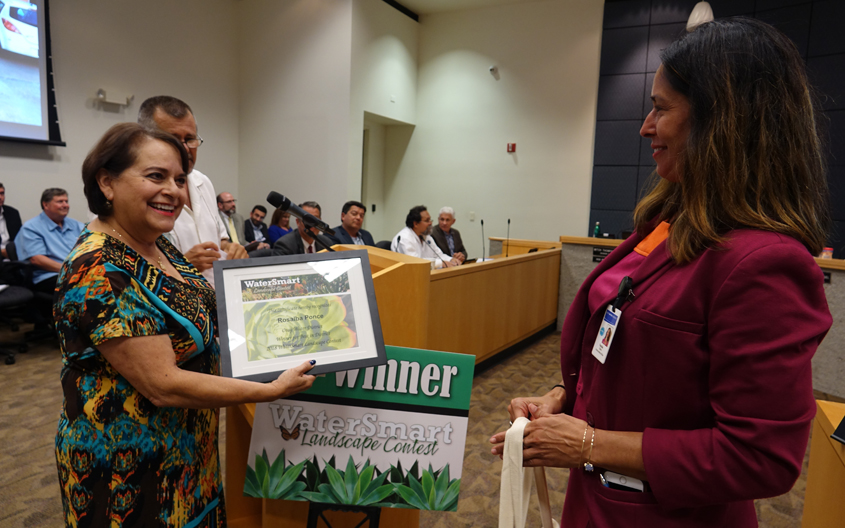
Rosalba Ponce from Chula Vista receives recognition at the July 11 board meeting of the Otay Water District as its 2018 landscaping contest winner. Photo: Courtesy Otay Water District Landscape Makeover

Rosalba Ponce from Chula Vista receives recognition at the July 11 board meeting of the Otay Water District as its 2018 landscaping contest winner. Photo: Courtesy Otay Water District

At its July 11, 2018 meeting, the Otay Water District’s Board of Directors honored Ponce for exemplifying water-use efficiency in her garden. She was awarded a certificate of recognition, a gift certificate to a local nursery, and other promotional items. She is also being recognized in the district’s newsletter and other outreach materials.

“When I entered the contest, it was another way for me to share my story with other people and motivate them to do something that’s going to be good for our world,” said Ponce.

For more information about the landscape contest, go to www.landscapecontest.com.

READ MORE: Vista Irrigation District Announces WaterSmart Landscape Contest Winner

As San Diego's temperatures soar, be sure your water use isn't soaring by using water resources efficiently. Photo: DaveJessica - Creative Commons License use water resources efficiently

San Diego Region Expects Sizzling Summer Heat

Water Authority offers tips to keep things cool while using water resources efficiently

The first major heat wave of summer 2018 in the San Diego region arrived Friday, and it is expected to continue through the weekend. Temperatures hit a record 111 degrees in communities including El Cajon, Escondido, and Ramona on Friday. The City of San Diego reached 93 degrees. There won’t be much relief on the beaches, as Coronado’s forecasted high on Saturday is 83 degrees.

Heat records set in San Diego and around the world

Red-hot temperatures are a worldwide trend, including in the San Diego region. The National Weather Service reports 53 of the last 56 months have been hotter than normal at the official weather station at Lindbergh Field.
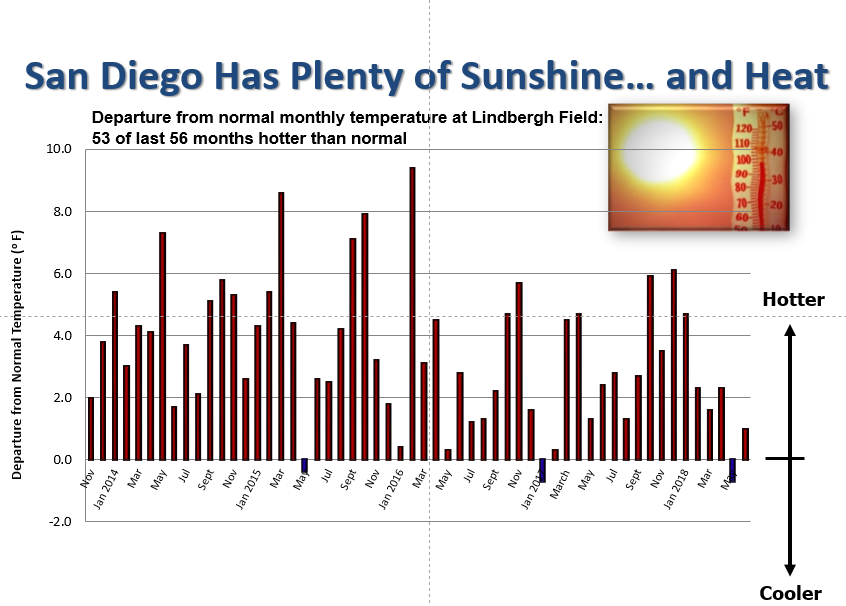
San Diego's temperatures show an upward trend overall.

San Diego’s temperatures show an upward trend overall.

All time heat records have already been set this week from Denver to Tbilisi, Georgia. Record heat is to blame for at least 33 deaths in and around Montreal, Quebec.

Whether or not the San Diego region will break its record high temperatures of 2017 this year, it is important for residents to use WaterSmart practices which help you use water resources efficiently during the peak water-use months.

The San Diego County Water Authority offers several tips for making the most of the region’s water supplies. They include:

  1. Check your landscaping’s irrigation system

Inspect irrigation equipment to eliminate overspray. Monitor soil moisture using a spade or soil probe, and only water if the top inch of soil is dry. Irrigate turf if it doesn’t spring back when stepped on. Better yet, upgrade to a “smart” irrigation controller that automatically adjusts water times based on weather conditions. Rebates on irrigation equipment are at WaterSmartSD.org.

  1. Water your mature trees correctly

Water mature trees like this mesquite tree slowly and deep into its roots. Photo: Water Authority Use water resources efficiently

Water mature trees like this mesquite tree slowly and deep into its roots. Photo: Water Authority

Irrigate mature trees once or twice a month using a soaker hose or drip system toward the edge of the tree canopy – not at the base of the tree. Use a hose faucet timer (found at hardware stores) to prevent overwatering. Young trees need more frequent irrigation; consult an arborist or tree-care manual for details.

  1. Refresh your compost and mulch

Keeping a 3-inch layer of mulch around trees and plants reduces runoff, helps control weeds and protects soil from direct sunlight and evaporation. Keep mulch at least a foot away from tree trunks and several inches from the crowns of plants. Also, add compost to increase soil nutrients.

  1. Refrigerate drinking water

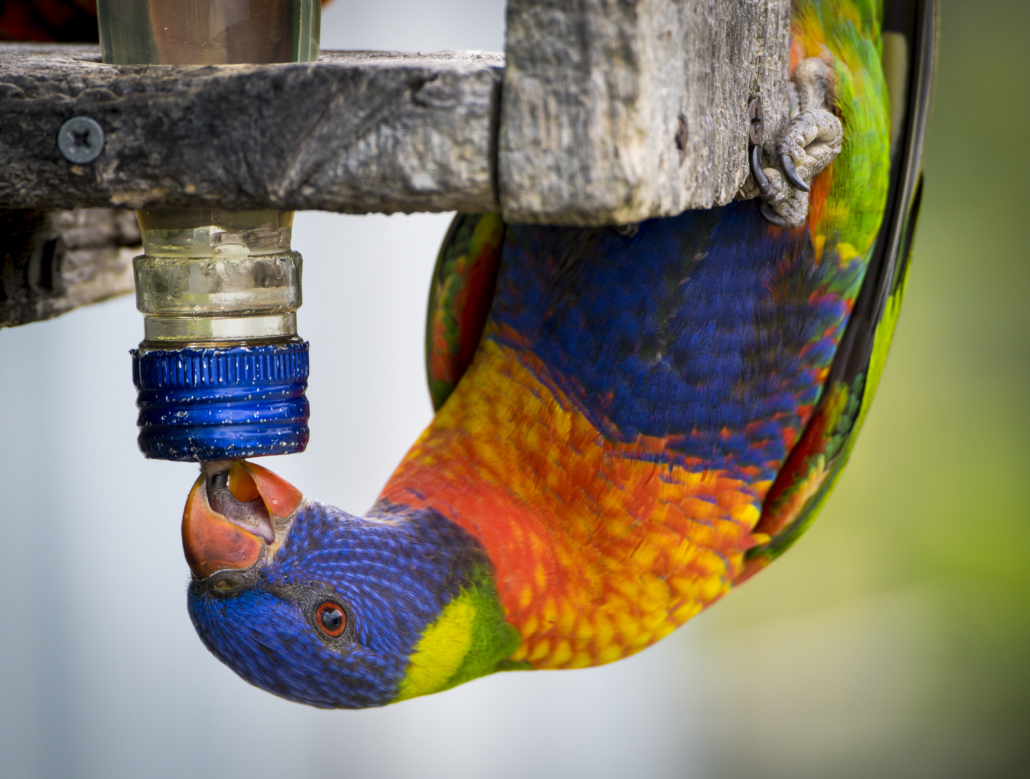
Your lorikeet can get its drinking water this way. You should fill your reusable water bottles and chill them in the refrigerator for your cold drinking water. Photo Wade Tregaskis - Creative Commonsn License

Your lorikeet can get its drinking water this way. You should fill your reusable water bottles and chill them in the refrigerator for your cold drinking water. Photo Wade Tregaskis – Creative Commons License

Keep drinking water cool in your refrigerator to avoid running the tap. Use refillable water bottles instead of buying disposable plastic bottles.

  1. Put a lid on it

Pool and spa covers reduce evaporation, lower pool heating costs and keeping out dirt and debris.

  1. Take a gardening break from the heat

New plants need more water to get established, so wait until fall or winter for planting to take advantage of cooler temperatures and rainfall.

  1. Watch the grass grow

Let your grass grow longer in the summer. Photo: PhotoMix - Creative Commons License using water resources efficiently

Let your grass grow longer in the summer. Photo: PhotoMix – Creative Commons License

Set your mower to leave grass at least three inches high, because taller blades of grass can reduce evaporation up to 80 percent and protect your roots from heat. And don’t water during the hottest part of the day. The ground can be so hot, roots may literally cook themselves in hot irrigation water.

  1. Treat your vehicles to an efficient car wash

Patronize car washes that recycle water and save at least 15 gallons each time. When washing at home, use a hose nozzle that shuts off when you release the handle.

  1. Rinse your produce the right way

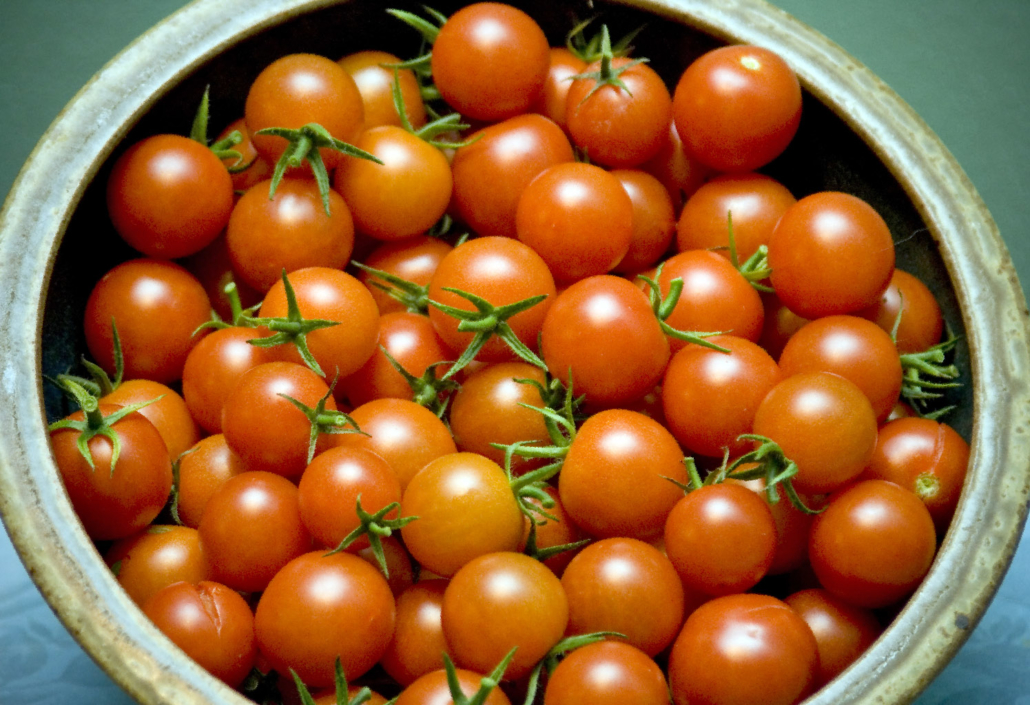
Rinse your fresh fruits and vegetables in a bowl, then use the water on your indoor plants. Photo: McBeth, Creative Commons License Use water resources efficiently

Rinse your fresh fruits and vegetables in a bowl, then use the water on your indoor plants. Photo: McBeth, Creative Commons License

Wash fruits and vegetables in a bowl of water instead of under a running water tap. Use the bowl of water afterward to water your house plants or outdoor container plants.

  1. Go to summer school

Learn more tips and best practices on how residents and businesses can use water most efficiently, including WaterSmart Landscaping Videos on Demand from the comfort of your beach chair or sofa, plus information on rebates, classes and other water-saving resources to help you keep your cool on your water use this summer at WaterSmartSD.org