You are now in Home Headline Media Coverage San Diego County category.

Opinion: A Vote on Water Storage May Be Near

A proposed ballot measure would force the state to dedicate 2% of the general fund to building more water storage for California’s urban areas and farms. The Water Infrastructure Funding Act of 2022 would require the transfer of the funds into a trust account every year until the projects funded by the account have created an additional 5 million acre-feet of additional water supply that can be reliably delivered to Californians every year thereafter.

Touton Confirmed as Commissioner of the Bureau of Reclamation

Camille Touton of Nevada was confirmed by the Senate on Thursday to be commissioner of the Bureau of Reclamation, which oversees water management of the Colorado River in Western states. Democratic and Republican senators approved President Joe Biden’s nominee on a voice vote.

Data Confirms Salmon Slaughter on California’s Main River

Nearly an entire run of juvenile winter-run Chinook salmon cooked in the Sacramento River this past summer, casting doubt as to whether the iconic species can survive the one-two punch of drought and climate change.

Toxins Long Buried May Surface as Groundwater Rises

Water rising beneath the ground, pushed up by intruding salt water as sea levels rise, now impacts thousands of toxic waste sites throughout the San Francisco Bay Area. A six-month investigation by NBC Bay Area found that the threat from rising groundwater isn’t decades in the future but, in some cases, may be imminent. In many hot spots from the North Bay to the South Bay, UC Berkeley scientists told the Investigative Unit they’ve recorded groundwater already at or near the surface.

Water Authority Completes Pipeline 3 Relining in Mission Trails Regional Park

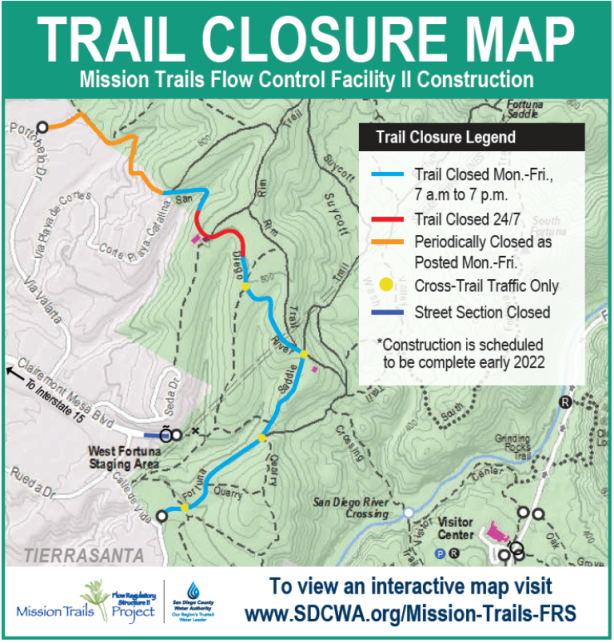
San Diego County Water Authority Operations and Maintenance staff recently completed a complex relining project on a section of Pipeline 3 in central San Diego, within Mission Trails Regional Park. Pipeline 3 traverses the western portion of the region from the Riverside County border in the north to Lower Otay Reservoir in the south. The proactive Pipeline 3 relining project is part of the asset management program to make preventative repairs to large-scale infrastructure.

How Californians Can Save More Water

The results are in: Californians aren’t saving enough water. Amid a historic drought, Gov. Gavin Newsom has asked us to reduce water consumption by 15 percent. Yet in August, the most recent month for which data is available, we’d brought usage down just 5 percent compared with the same time last year. Of course, not all water-saving is the responsibility of California households. Eighty percent of California’s water goes toward agriculture, and other businesses play a big role too.

(Editor’s note: The New York Times published a previous story, How San Diego Has Water Despite A Punishing Drought.)

As Climate Talks Put Focus on Water Crisis, the Colorado River Provides a Stark Example

As world leaders meet in Scotland this week to discuss efforts to address the climate crisis, experts are urging greater focus on adapting to fundamental shifts in the planet’s water supplies — and they’re pointing to the Colorado River as a prime example.

The river, a vital water source for about 40 million people from Denver to Los Angeles, has continued to shrink and send reservoirs declining toward critically low levels after years of extremely dry conditions compounded by hotter temperatures.

Opinion: Federal Investment in Clean Energy Will Mean Good Jobs for San Diegans

The International Brotherhood of Electrical Workers Local 569 represents over 3,600 electricians, power professionals and working families in San Diego and Imperial Counties, and we have long advocated for a future that involves clean energy to help tackle the climate crisis. The need for urgent action on climate change is everywhere. We see it daily as our communities experience record-breaking heat, historic wildfires, dangerous droughts and more. We cannot ignore the increasing public health and economic threats to our state.

Spillway Gravel Launch Ramp Reopens as Lake Oroville Rises

As the rain falls down in the watershed, Lake Oroville’s water level rises.

Lake Oroville recovered some of its water over the last two weeks from a recent storm ending a long streak of low lake levels that has lasted since its record low on Aug. 4.

According to a community update from the California Department of Water Resources, the recent storm brought the reservoir’s elevation from 629 feet on Oct. 22 to 658 feet by Oct. 27. The elevation Wednesday was 661 feet.

California Looks to Natural Gas to Keep Lights on This Winter

After years of restricting the growth of fossil fuel infrastructure, California is looking to natural gas for power generation this coming winter after drought and wildfires leave the state with few other options to keep the lights on.

California has spent years moving away from fossil fuels to reduce planet-warming greenhouse gas emissions. But U.S. states like California and Texas have faced notable challenges to their electrical grid in recent months, and worldwide power crunches have forced other countries to ramp up output of coal and other fossil fuels to maintain power.