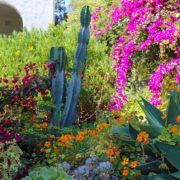
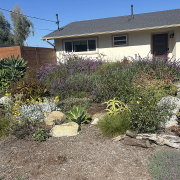
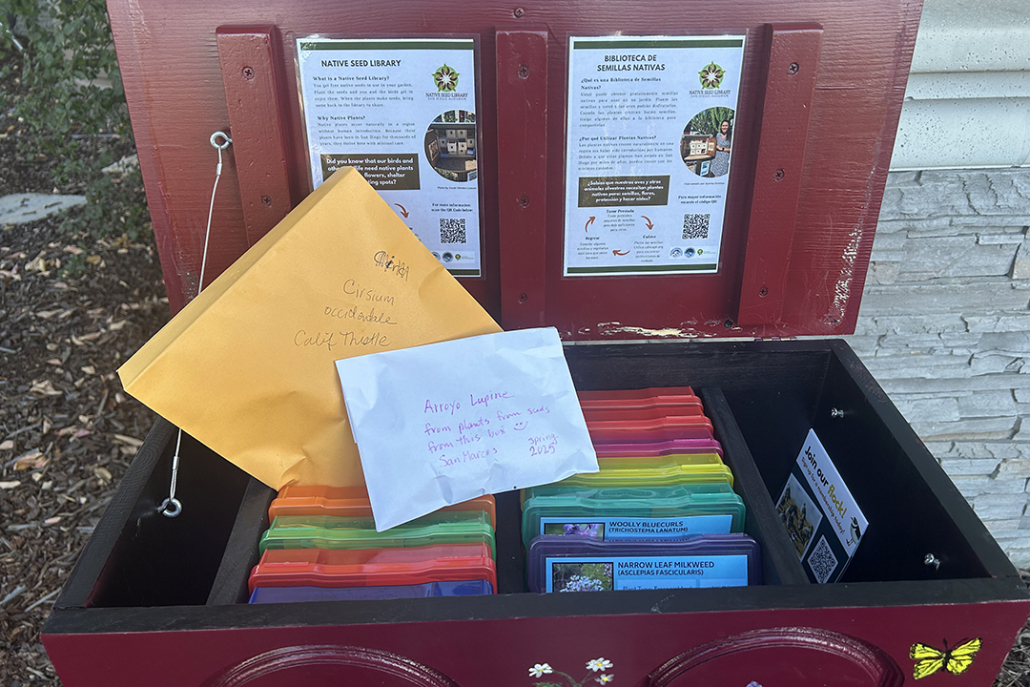
 The Native Plant Seed Library established by the Vallecitos Water District is a success thanks in part to community contributors known as “Seed Heroes.” Photo: Vallecitos Water District
Seed Heroes Helps Vallecitos Water District Seed Library Flourish
After two years, the Native Plant Seed Library established by the Vallecitos Water District is flourishing thanks to community contributors known as “Seed Heroes.”
The seed library is located in the Sustainable Demonstration Garden at the district’s headquarters in San Marcos. The district originally partnered with the San Diego Bird Alliance (formerly the Audubon Society) to launch the groundbreaking initiative to safeguard botanical heritage for future generations.
The seed library focuses on San Diego County’s indigenous plants. Native plants benefit local wildlife and typically use less than half the water required by most drought-tolerant plants, such as rosemary or lavender.
Seed Library Helps Remove Barriers to Growing Native Plants
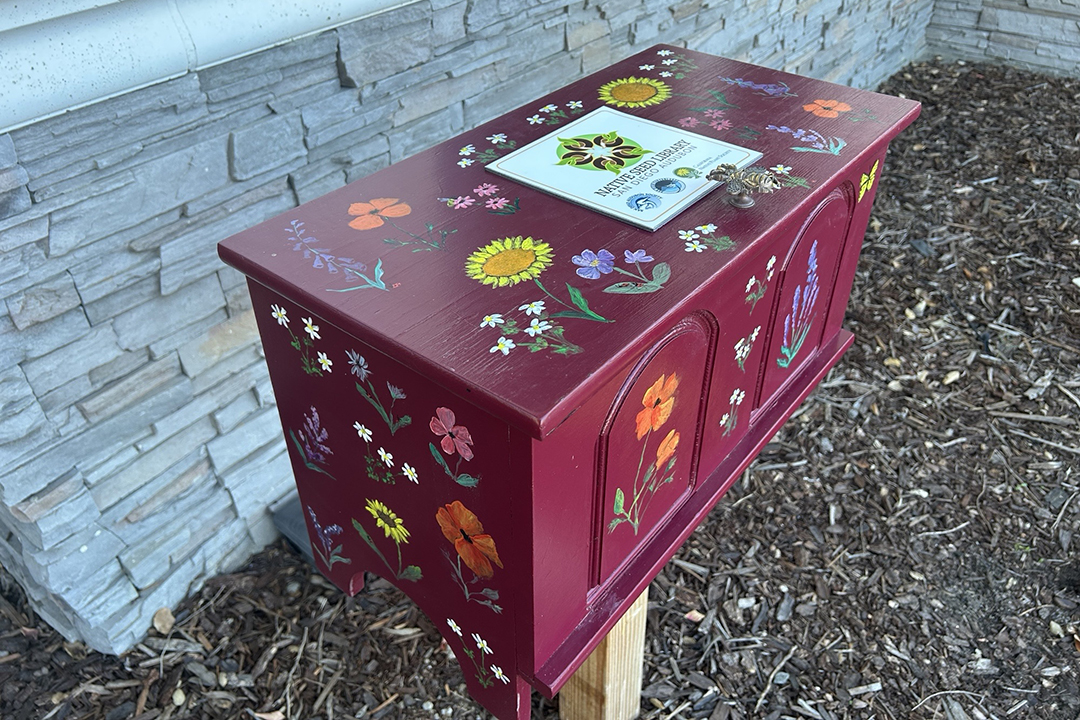
The Vallecitos Seed Library is located at the district’s headquarters in San Marcos. Photo: Vallecitos Water District
Vallecitos Water District public information representative and UCCE Master Gardener Lisa Urabe had wanted a California native plant garden for years for its many benefits, but finding a wide selection of native plants was becoming time-consuming and costly. Her experience helped inspire the Native Plant Seed Library initiative at Vallecitos.
“The original goal for the native seed library was to remove some of the barriers to growing native plants, mainly the difficulty in obtaining California native plants and the cost,” explained Urabe.
“By offering our customers and residents a zero-cost, fun, and easy way to include California native plants in their gardens, we’ve created a way to reduce landscape water usage while creating habitat that supports birds, pollinators, and other local wildlife.”
Learn more about the Seed Library
To date, the seed library has distributed 2,000 individual seed envelopes. Urabe worked with the U.S. Environmental Protection Agency (EPA) to help it write best management practices on running native seed library programs.
Urabe retired at the end of 2025, leaving the seed library in good hands with help from the community seed heroes and Vallecitos’ Conservation team.
“From the popularity of the seed library, we know that the seeds are being planted. It’s the greatest retirement gift to know that this little seed library has created wildlife habitat for generations to come!” said Urabe.
Recognition for Contributors as “Seed Heroes”
Urabe said recognizing the dedicated contributors as “Seed Heroes” was the district’s way of highlighting community members who have embraced and supported this project through their seed donations and native plant expertise.
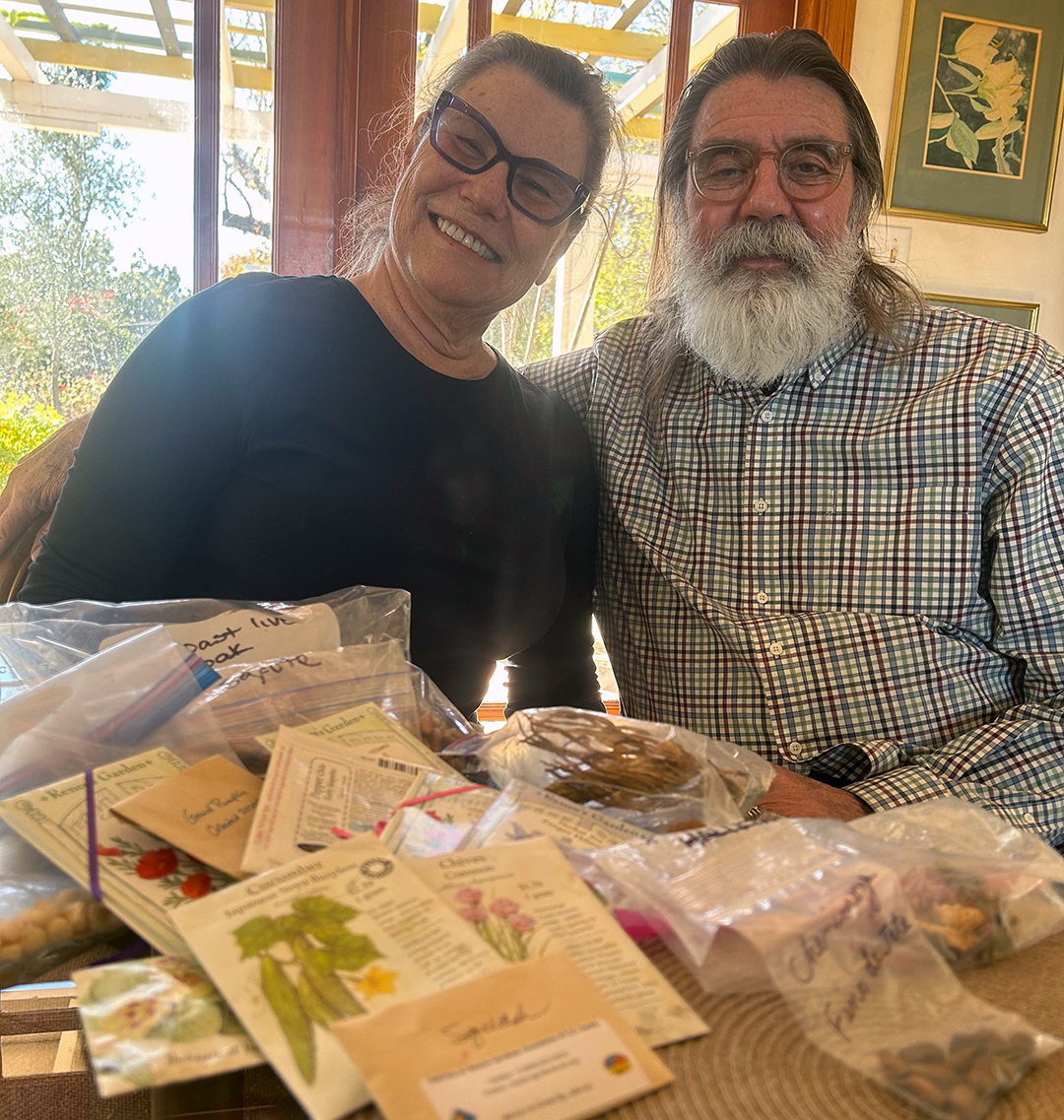
Donn and Terry Reese with examples of the seeds they have contributed to the Vallecitos Water District Seed Library. Photo: Vallecitos Water District
Donn and Terry Reese contributed seeds from native Coast Live Oaks, along with exotic fruits from their home garden, including cherimoya and sapote, and a variety of vegetable seeds. Donn Reese is a UC Master Gardener. Non-native seeds are also included in the seed library.
Dean Williams, the Vallecitos Water District 2023 Landscape Makeover Contest winner, is an avid seed hero who used seeds from the library to help create a wildlife garden.
Williams was brand new to gardening when he undertook his award-winning makeover project. Several years later, he is hooked. He enjoys the activity in his garden every day. “It’s kind of a place for all the insects and birds. It’s neat to watch all the wildlife. I get a kick out of it.”
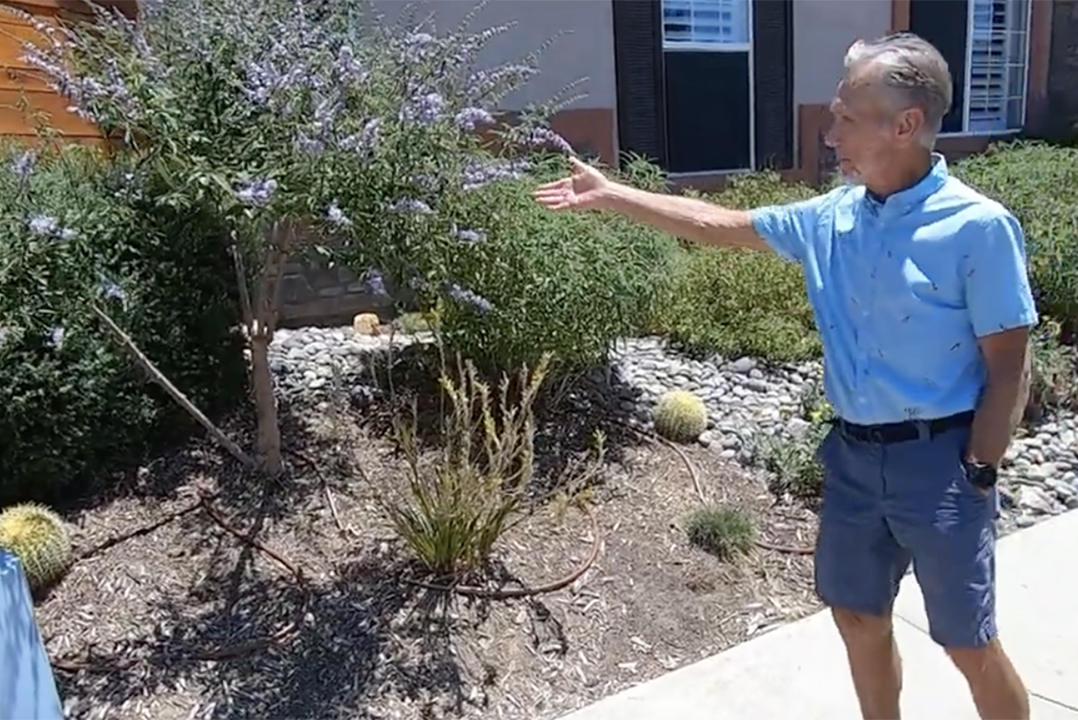
Dean Williams won the 2023 Vallecitos Water District Landscape Makeover contest, which jump started his interest in gardening. Photo: Vallecitos Water District
Williams used the PlantNet app to identify the plants. All are drought tolerant and attract native wildlife and pollinators. Williams has planted Viguera, Red Bush Monkeyflower, Desert Globemallow, Elegant Clarkia, and Succulent Lupine with seeds from the library.
In return, Williams often restocks the library with seeds harvested from the plants he’s grown. “It’s a nice way to give back and keep the library stocked with various kinds of seeds.” Williams is creating an edible garden this year and plans to contribute cilantro seeds to the library.
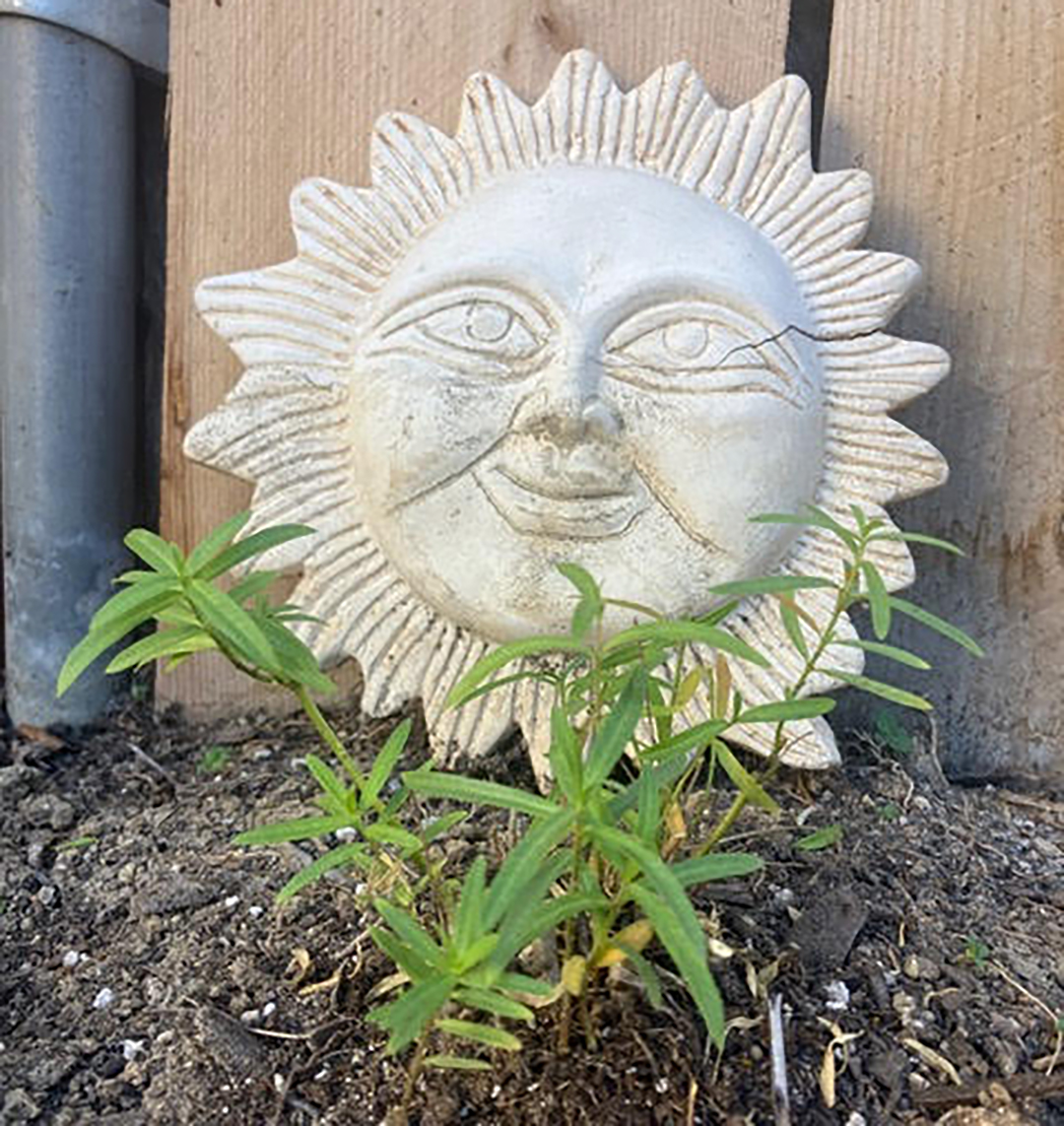
Milkweed is one of the many types of seeds contributed from the personal garden of Dean WIlliams. Photo: Courtesy Dean Williams
Williams encourages beginners to seek out resources from their water district and other organizations for help. “If I could do this, anybody could do it. I couldn’t grow anything before!”
Seed Library Preserves Local Biodiversity
Seeds currently available at the library include California poppy, black sage, and narrow-leaf milkweed, a species that supports monarch butterfly populations. By promoting the cultivation of indigenous species, the library seeks not only to preserve biodiversity but also to support the health and resilience of local ecosystems.
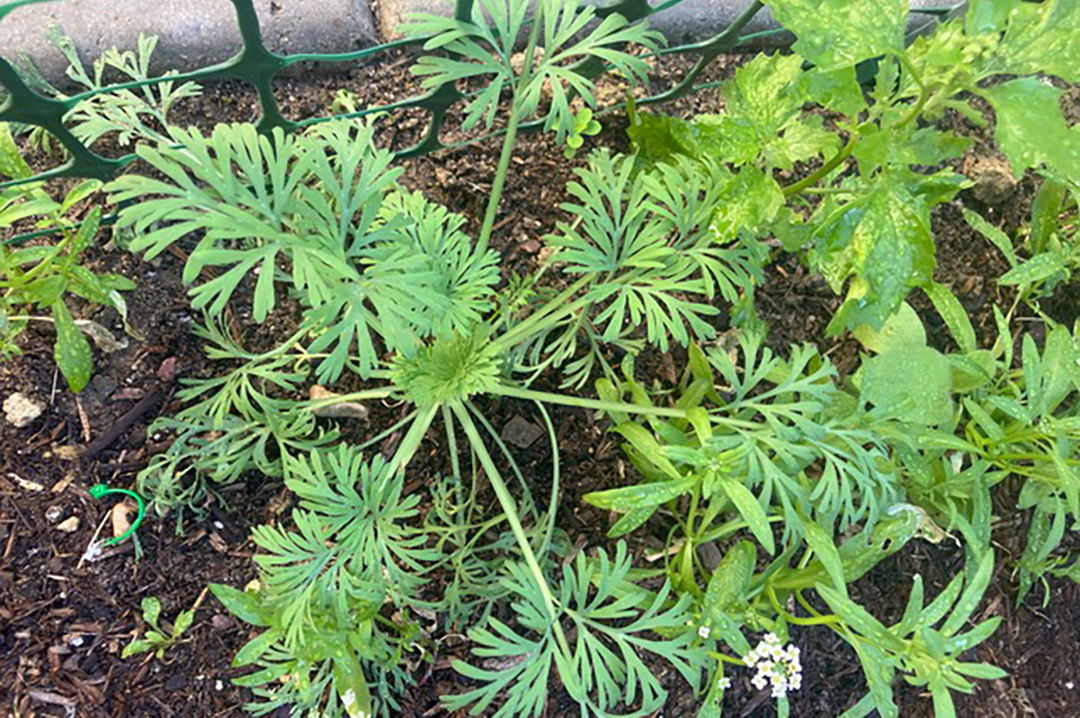
California poppy seeds are available in the Seed Library, contributed by Dean Williams. Photo: Courtesy Dean Williams
The Native Plant Seed Library Program, launched three years ago by volunteers from the San Diego Bird Alliance, addresses the critical lack of native habitat in San Diego County.
With more than 60 Native Seed Libraries established and supported by staff and organizations such as the California Native Plant Society (San Diego Chapter), the program educates the community about the importance of native plants and provides accessible seeds.
An interactive map helps locate the nearest library. Users are encouraged to return clean, mature seeds to sustain both plant life and the free libraries. For more details, visit the map or email
The seed box is available during normal business hours. The address is 201 Vallecitos De Oro, San Marcos. Learn more about the Native Plant Seed Library at its webpage.