You are now in Education Features category.

Quality of Life Dashboard-Water Use

Quality of Life Dashboard for San Diego County Highlights Water Use

Water use in the San Diego region was one of the positive trends in the 2020 Quality of Life Dashboard report released today by the Equinox Project.

The Quality of Life Dashboard measures and benchmarks environmental and economic trends throughout the region. Half of the 16 indicators used to measure San Diego County’s quality of life were either positive or neutral in 2019. The Dashboard tracks the county’s progress on critical quality-of-life issues and provides examples of what is working well and how the region can improve.

Six of the 16 indicators received a “thumbs-up” in the report, including water use, air quality, electricity use and renewable energy & storage. Five indicators, including traffic congestion, received a “thumbs-down.” Two indicators were neutral and three new indicators were added this year: Climate Change & Planning, Civic Engagement, and Regional Leadership in a Time of Crisis.

“The pandemic has shown the inequities that exist in our region as well as how they’re often interrelated,” said Dr. Emily Young, Executive Director of The Nonprofit Institute at the University of San Diego, where the Equinox Project is based. “The pandemic is in some ways instructive of some ways in which climate change will play out in our region in the future as well as ways that may exacerbate equality. It’s also instructive in how our community is coming together to respond to the challenges at hand with strength, innovation and resilience.”
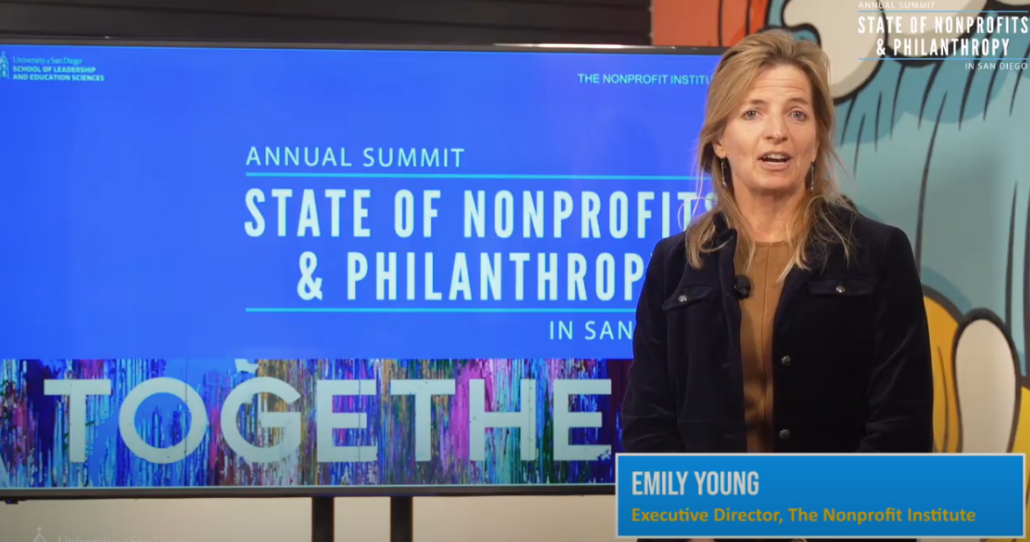
Quality of Life Dashboard-Dr. Emily Young-The Nonprofit Institute-Water Use

“The pandemic is in some ways instructive of some ways in which climate change will play out in our region in the future as well as ways that may exacerbate equality,” said Dr. Emily Young, executive director of The Nonprofit Institute at the University of San Diego.

Residential water consumption decreased after dry 2018

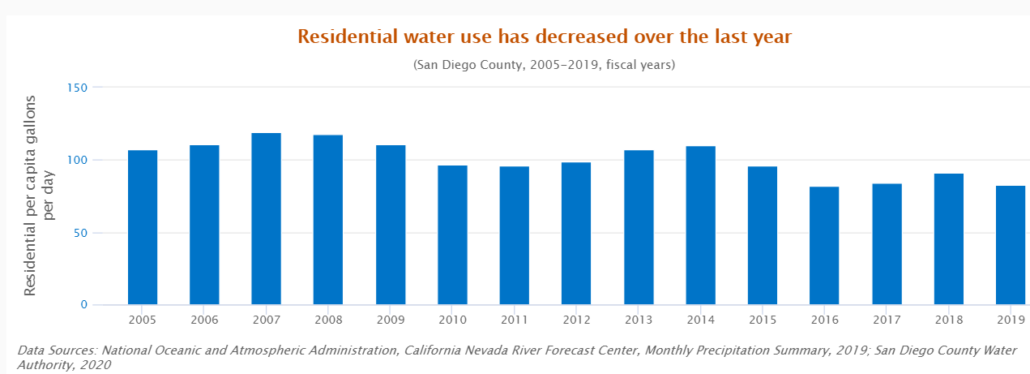
As part of a long-term trend toward water efficiency and conservation, residential water use in San Diego County decreased from 2018 to 2019.

“Fluctuations in weather, including current La Niña conditions that typically mean a dry winter for California, highlight the importance of diversifying our regional water supply sources and continued investments in the infrastructure to deliver a safe, reliable supply to the region,” said Goldy Herbon, San Diego County Water Authority senior water resources specialist.
Residential Water Use-Quality of Life Dashboard

Residential water use per capita in 2019 decreased as compared to 2018, and remained lower than historical rates. Graphic: The Nonprofit Institute/University of San Diego

“Water use received a thumbs-up because daily residential water consumption in San Diego County decreased by 8.8% from 91 gallons per capita in 2018 to 83 gallons in 2019,” according to the report. “Residential water use still remains below the 2011 pre-drought levels, which at its peak in 2007 reached 119 gallons per capita. The 2018 year was an extremely dry year but the 2019 year saw rainfall return to the level experienced in 2017, which likely contributed to water use returning to its 2017 level.”

Diversification and water management strategies

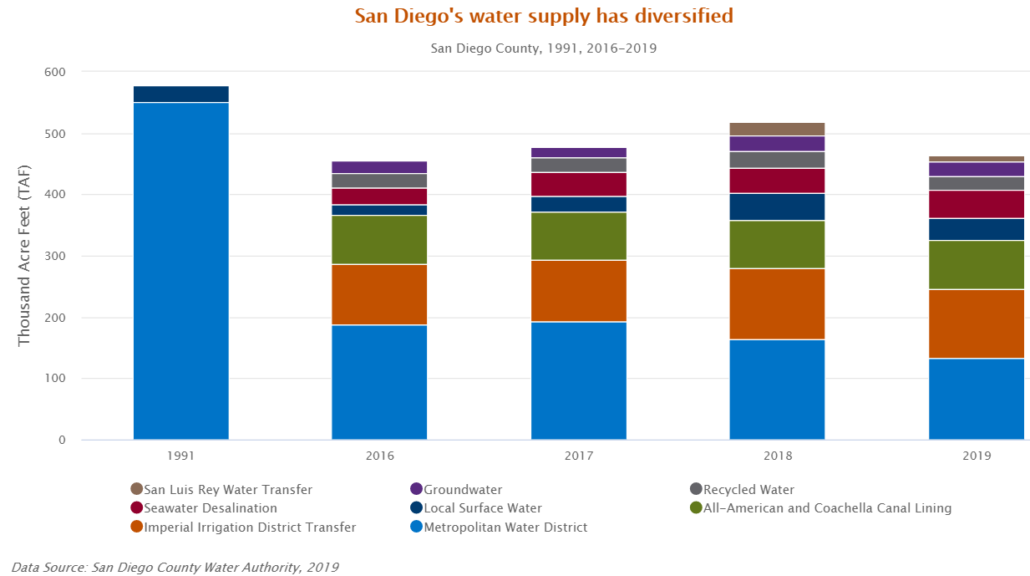
“San Diego County’s water supply has diversified significantly over the last couple of decades,” according to the report. “While the San Diego County Water Authority has decreased the region’s reliance on water from the Metropolitan Water District which serves parts of Los Angeles, Orange, San Diego, Riverside, San Bernardino and Ventura counties, the region still remains heavily reliant on water from the Colorado River (through water supply purchases from MWD and through water conserved and purchased through the Imperial Irrigation District and through water conserved by lining the All-American and Coachella canals).”
Diversified water-Quality of Life Dashboard-Water Use

San Diego County’s water supply has diversified significantly over the last couple of decades. Graphic: The Nonprofit Institute/University of San Diego

The report also credited the San Diego region’s development of integrated regional water management strategies, which is a collaborative effort aimed at developing long-term water supply reliability, improving water quality, and protecting natural resources.

“The San Diego County Water Authority, along with the City of San Diego and the County of San Diego, has developed an Integrated Regional Water Management Plan (IRWMP), and the IRWMP builds on local water and regional management plans within the San Diego Region,” the report noted. “The IRWMP was developed with input from a diverse group of stakeholders that make up the Regional Advisory Committee, representation includes water management agencies, resource conservation agencies, tribes and nonprofits. The IRWMP was updated in 2019 and includes information on climate change science as well as a stormwater capture feasibility study.”

Diversified supply supports region’s economy

The report says a diversified water supply supports the region’s high quality of life, its thriving economy and a healthy environment.

“Over the past two decades, diversification efforts have helped the San Diego region significantly reduce its reliance on the Metropolitan Water District from 95% in 1991 to 40% in 2018, and a projected 11% in 2020 and 2% by 2035,” according to the report. “Research has shown that a reliable water supply and the infrastructure necessary to store, move, treat, and deliver are essential to the development of an advanced economy. These factors are indispensable for supporting the diversity of industries within the regional economy. Interruptions of the region’s water supply would have severe impacts on all local industries.”

The San Diego Regional Quality of Life Dashboard was launched in August 2010.  This year, eight University of San Diego researchers contributed to the Dashboard to highlight key trends in the region’s quality of life along with a critical focus on equity and how leaders are adapting in the face of the pandemic.

Faces of the Water Industry-San Diego County Water Authority-Water News Network

Faces of the Water Industry Highlights Water Pros, Career Opportunities

The San Diego County Water Authority, in partnership with its member agencies, has launched “Faces of the Water Industry,” a social media outreach campaign highlighting the diversity of people and careers in the region’s water and wastewater industry.

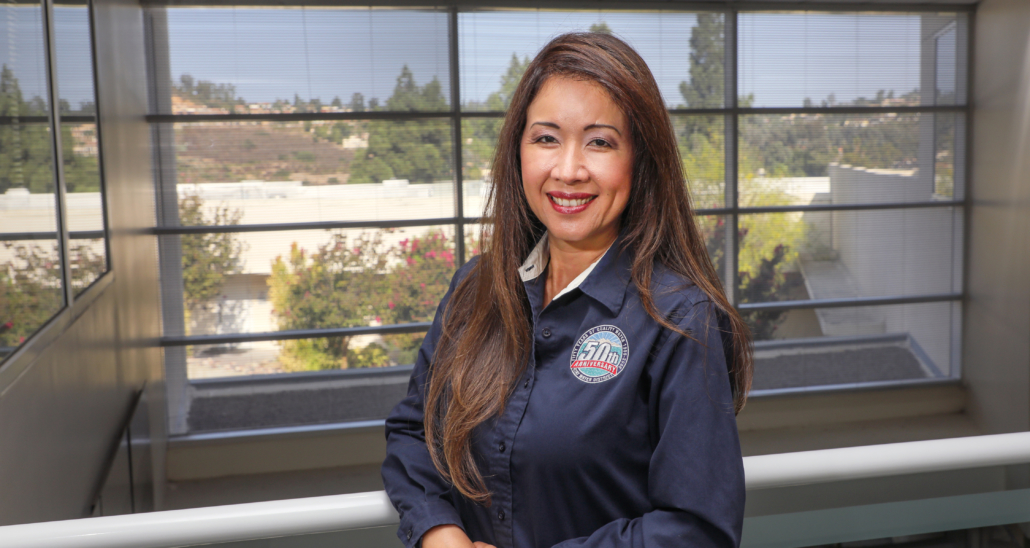
The Water Authority is featuring photos and videos from 20 employees representing nine water agencies across the region, including the Water Authority.

The Faces of the Water Industry campaign was inspired by the ACWA‘s California Water Professionals Appreciation Week, which highlights the important role of water industry professionals and local public water agencies in ensuring safe and reliable water, wastewater and recycled water operations in California.

Follow the Water Authority on Facebook, Twitter, LinkedIn and Instagram to read inspiring thoughts and stories from the region’s water and wastewater pros – the Faces of the Water Industry.

Faces of the Water Industry – Otay Water District

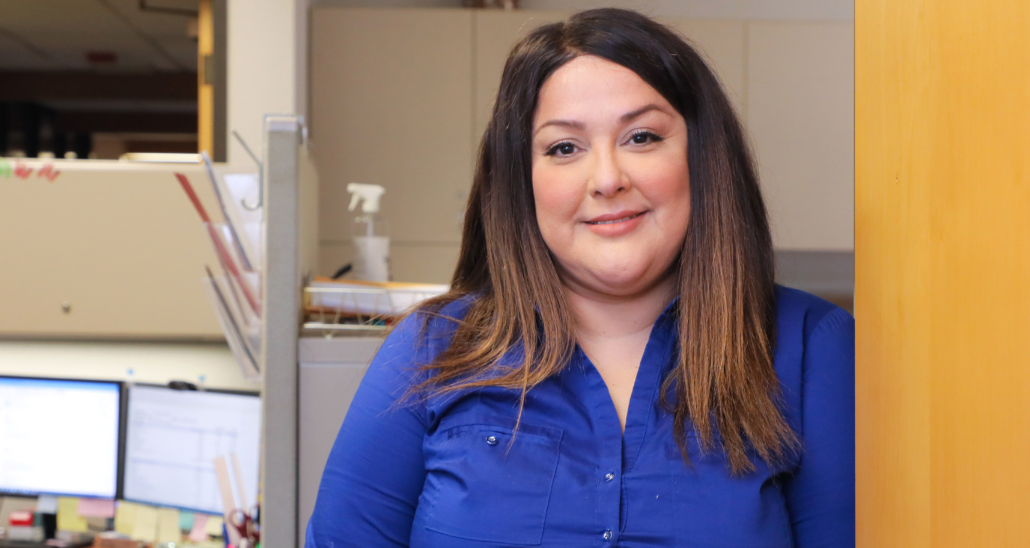
Theresa Kreinbring, Business Systems Analyst II at Otay Water District

“As a Business Systems Analyst, I work behind the scenes to ensure all applications are running to support the frontline staff,” said Theresa Kreinbring, Business Systems Analyst II at Otay Water District. “I want to provide the best service for them so they can better serve the community. A career in the water industry has been very rewarding. Water is our most valuable resource on earth, and I am grateful to be a part of it.” 

Faces of the Water Industry –  Sweetwater Authority

Luisa Ruiz, Senior Accountant at Sweetwater Authority

“The most rewarding aspect of my work is applying my technical skills gained over the life of my career to Sweetwater Authority’s Finance department,” said Luisa Ruiz, Senior Accountant at Sweetwater Authority. “As a Senior Accountant, I get to bring new ideas, process improvements, and lead a team to successfully provide our customers, community, and employees with exceptional reliable service in finance. It is rewarding being part of an agency whose mission is to provide our customers with safe and reliable water to a community I grew up in and am part of.” 

Faces of the Water Industry – Padre Dam Municipal Water District

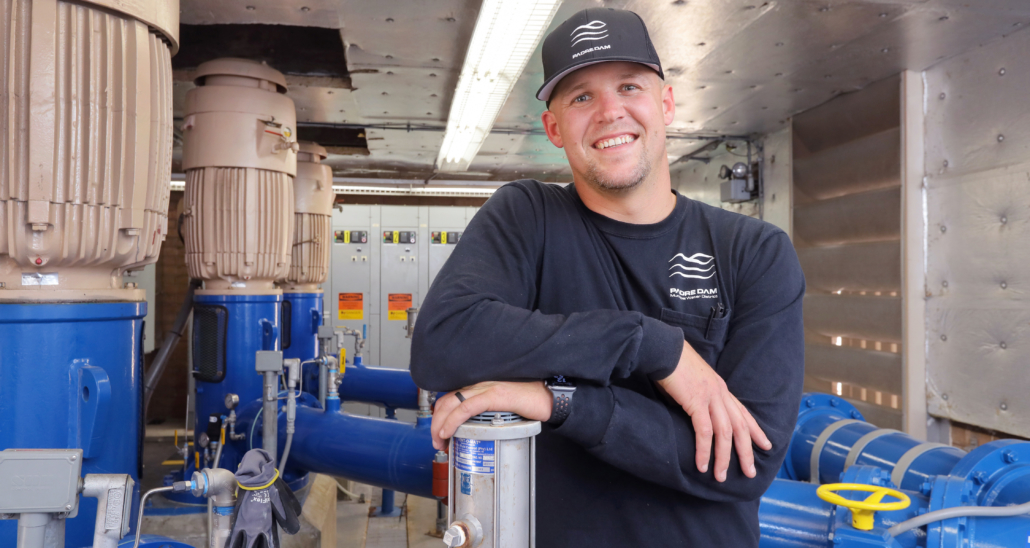
Daniel Lockart, Systems Operator/Pump Technician at Padre Dam Municipal Water District

“When I first came here, I was new to the industry and I relied heavily on mentors within the district for advice and suggestions and they often used lessons learned from previous experiences to help teach me,” said Daniel Lockart, Systems Operator/Pump Technician at Padre Dam Municipal Water District. “Today, I most enjoy helping train newer employees and bring them up as the next leaders in our industry.” 

Learn about career and training opportunities 

The water and wastewater industry offers vast opportunities for essential careers in engineering, operations, finance, public affairs, human resources, administration and information technology. 

The California Water Environmental Association (CWEA) is hosting two free career webinars for new and current water professionals. 

For job openings, internships and education opportunities across the San Diego region’s water and wastewater industry, go to sandiegowaterworks.org.

Primary-Tyrese Powell-Slotterbeck-San Diego Water Works-Water Jobs

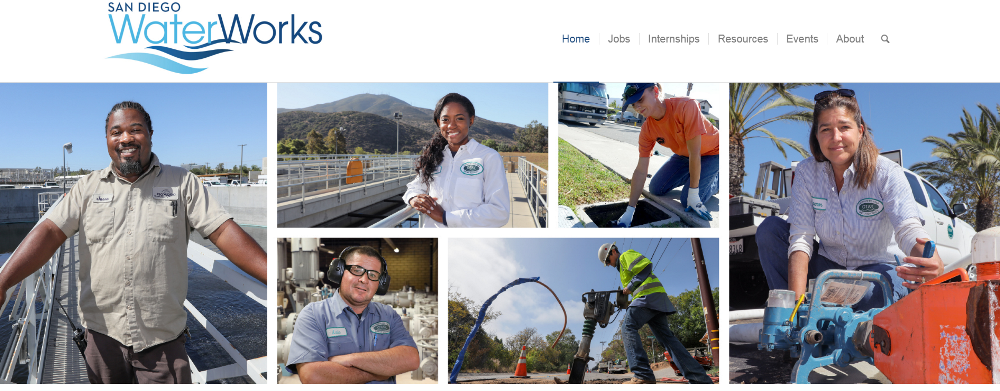
San Diego Water Works Website Offers One-Stop Shop for Water Industry Jobs 

The San Diego County Water Authority and its 24 member agencies have launched a new website – SanDiegoWaterWorks.org – that provides the first comprehensive posting of regional water and wastewater industry job openings in one location.

As the San Diego economy begins recovering from recession, the site features expanded job opportunities and regularly updated information about internships and training opportunities – a one-stop-shop for anyone interested in a new career or a new role in the water industry.

San Diego Water Works was created to help meet the growing need for skilled water industry workers at a time when retirements are reducing the workforce. The site is the result of a regional water industry task force convened to address the “silver tsunami” of Baby Boomers.

“We want to fill the pipeline with new generations of talent,” said Water Authority General Manager Sandra L. Kerl. “This is an industry that can really benefit from people with a diversity of backgrounds and educational experiences.”

Website created to fill openings created by wave of water industry retirements

While some water agencies have reduced hiring during the pandemic, roughly half of the current water industry workforce in the San Diego region will be eligible to retire in the next 15 years and many of those workers are in essential positions. In just the next five years, about 1,400 water and wastewater industry jobs are expected to open across the region. In addition to engineers and plant operators, the industry relies on technicians, accountants, electricians, mechanics, information technology specialists and many other occupations.

“The water industry offers careers that are not only personally and professional rewarding but also are vital for our region,” said Christopher McKinney, the City of Escondido’s Director of Utilities, and chair of the regional task force. “This is a chance to really make a difference in our community.”

San Diego Water Works website-water jobs-water industry

The San Diego Water Works website was created to help meet the growing need for skilled water industry workers at a time when retirements are reducing the workforce.

The San Diego Water Works website includes:

  • Current water and wastewater job postings in the San Diego region
  • Training and education resources, career advice and internship programs
  • Featured jobs that highlight rewarding careers in the water industry
  • Information about special training programs and internships for military veterans

The new website aligns with the priorities of water agencies in San Diego County to help military veterans find jobs in the water and wastewater industry. State legislation co-sponsored by the San Diego County Water Authority and the Otay Water District was signed into law in 2019, making it possible for veterans to receive credit for their military education and experience when applying for civilian water and wastewater system operator certifications in California.

“More than 15,000 military personnel transition from active duty each year in San Diego County, and many have the skills and experience that match the needs of regional water industry employers,” said Jose Martinez, Otay Water District general manager, U.S. Navy veteran and a member of the regional workforce development task force. “As a veteran, I understand the importance of a website like this; it is a great starting point for veterans to find jobs and training programs as well as to discover what resources are available in the industry.”

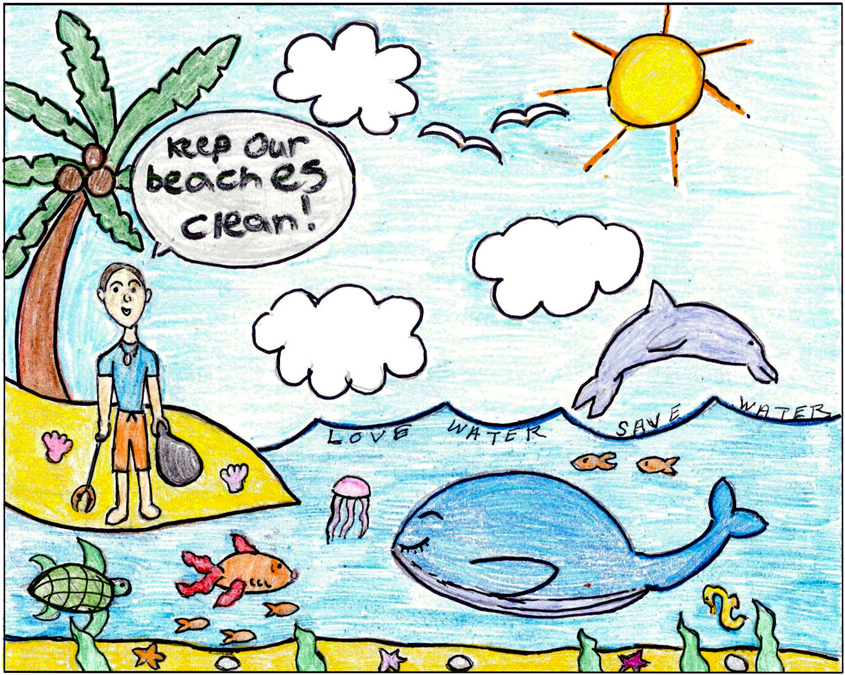
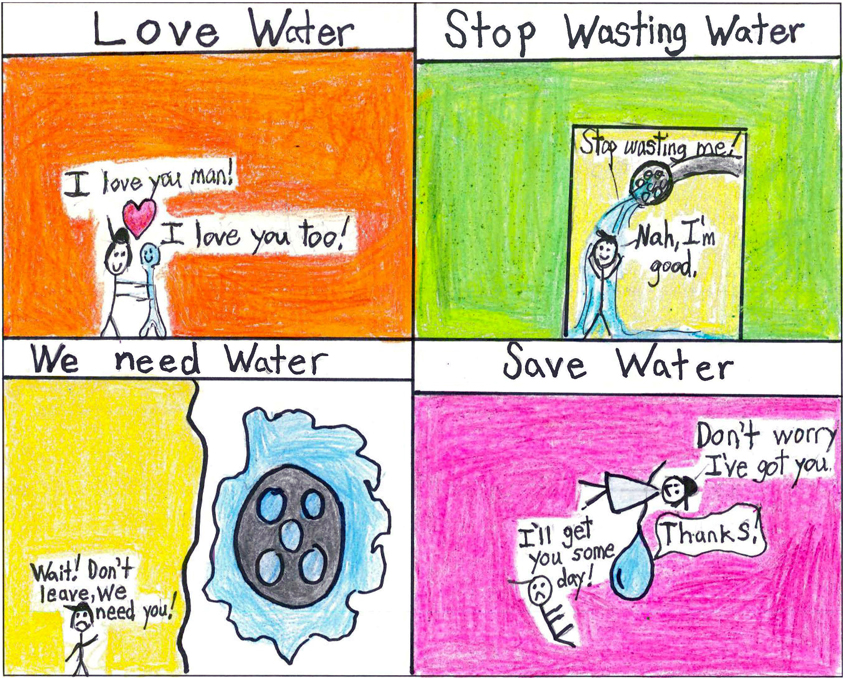
This year's winner of the Escondido 2020 Poster Contest is Gracie Scher, Quantum Academy. Photo: City of Escondido

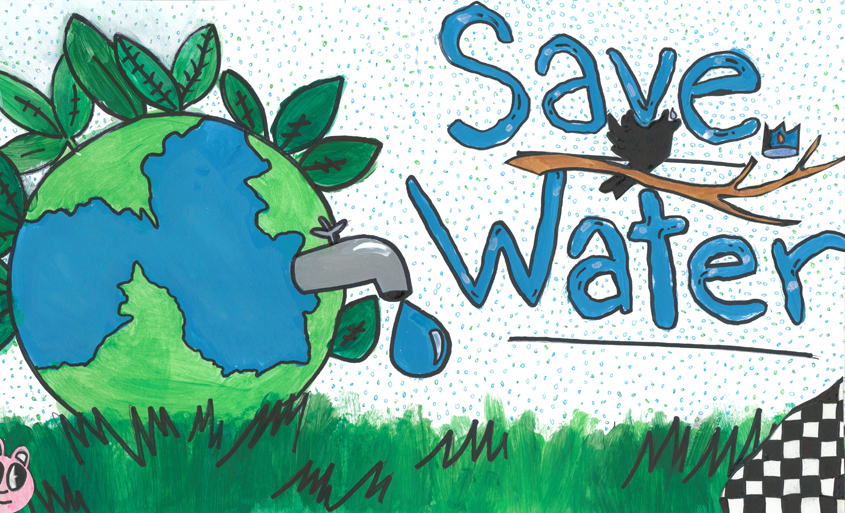
Love Water, Save Water Artwork Wins Escondido Poster Contest

Six student artists representing three schools in the City of Escondido are the 2020 winners of the City’s annual “Love Water, Save Water” poster contest.

For 29 years, the City of Escondido has provided local fourth-grade students in its water service area the opportunity to illustrate water stewardship through artwork and creativity. The contest is held in partnership with other North County water agencies to promote water conservation and water pollution prevention.

Students must enter their original work with no trademarked characters. They are encouraged to use lots of color and to avoid leaving empty space. Entries are judged on the depiction of the theme, originality, and poster design. Posters cannot be computer-generated.

 The six winners in the Love Water, Save Water poster contest

The first place winning poster submitted by Gracie Scher, Quantum Academy. Photo: City of Escondido 2020 Poster

First place: Gracie Scher, Quantum Academy. Photo: City of Escondido


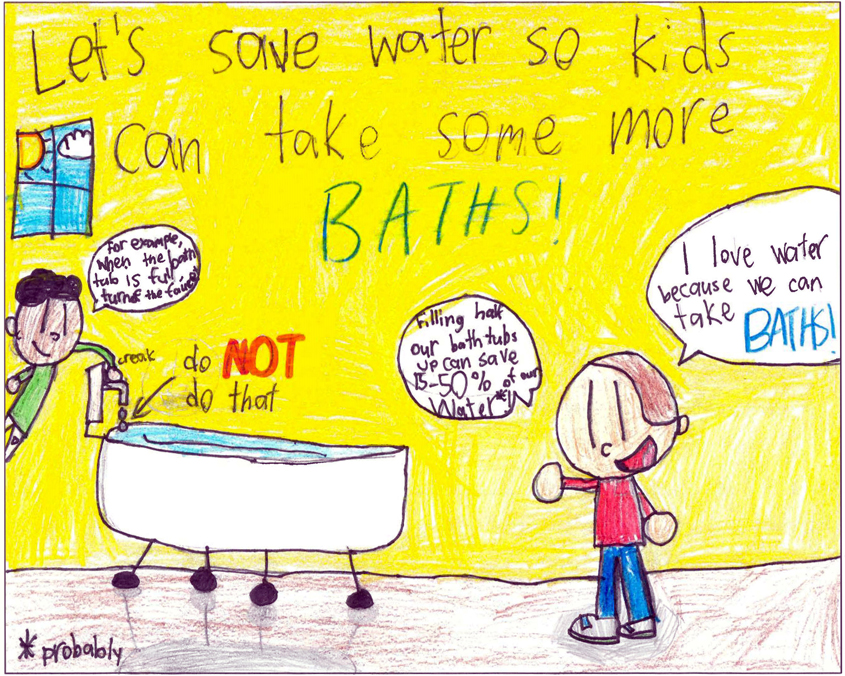
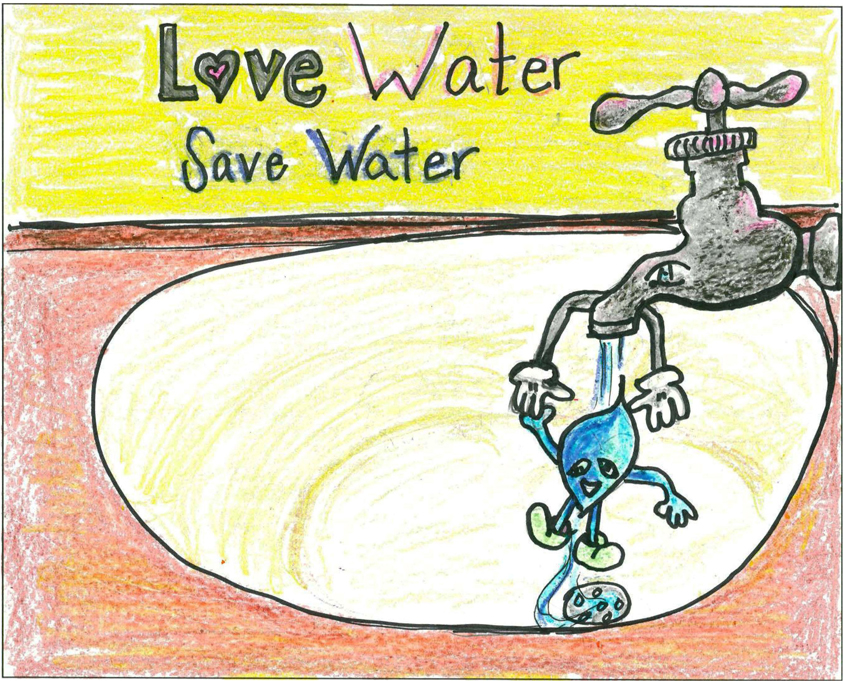
In second place is Filip Kupiec, L.R. Green Elementary. Photo: City of Escondido 2020 Poster

Second place: Filip Kupiec, L.R. Green Elementary. Photo: City of Escondido


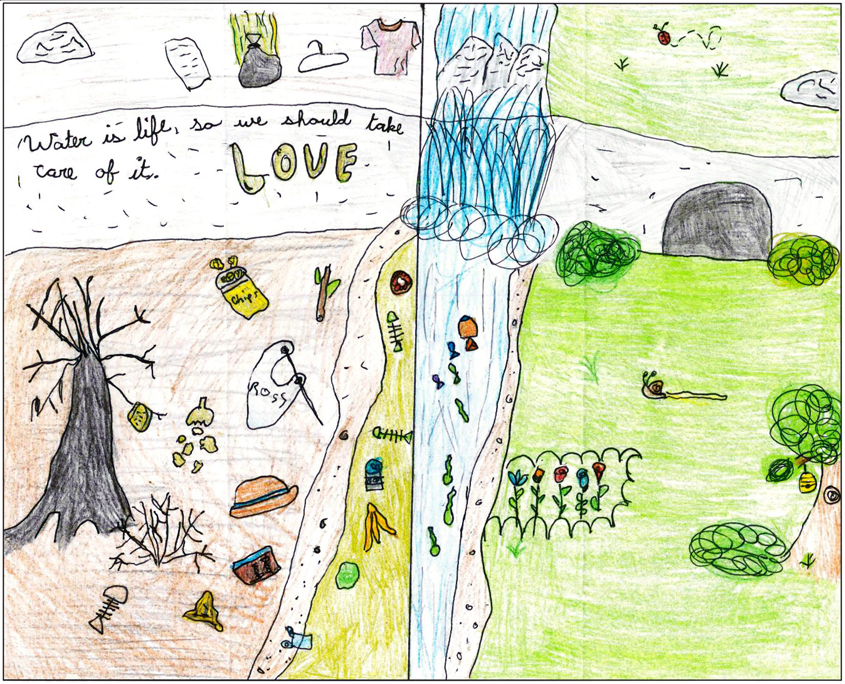
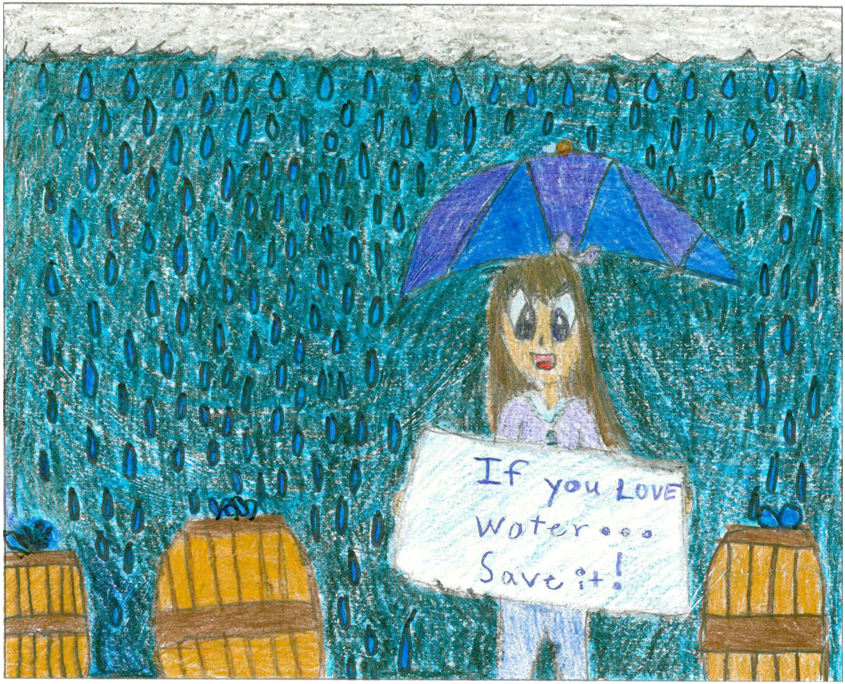
The third place winning poster comes from Angelaiya Nazareno, St. Mary School. Photo: City of Escondido

Third place: Angelaiya Nazareno, St. Mary School. Photo: City of Escondido

The top three winning posters will appear in the 2021 North County water awareness calendar.

Love Water, Save Water

Also recognized for their work are Taylor Lampman and Jacob Marshall from Quantum Academy, and Lilly Gibbs from St. Mary School.

Taylor Lampman, Quantum Academy. Photo: City of Escondido


Jacob Marshall, Quantum Academy. Photo: City of Escondido

Jacob Marshall, Quantum Academy. Photo: City of Escondido


Lilly Gibbs, St. Mary School. Photo: City of Escondido.

Contest part of comprehensive science education program

The City of Escondido supports local public and private schools by providing the Water Science Education Program to elementary and afterschool programs. The program teaches water science to raise awareness of Earth’s resources through interactive and collaborative activities supplementing each school’s science curriculum and to help meet Next Generation Science Standards. The annual poster contest is part of the program.

Students who will be in fourth grade in the 2020-2021 school year can start planning their entry. The annual deadline is in April. The City of Escondido website has contest rules and the entry form.

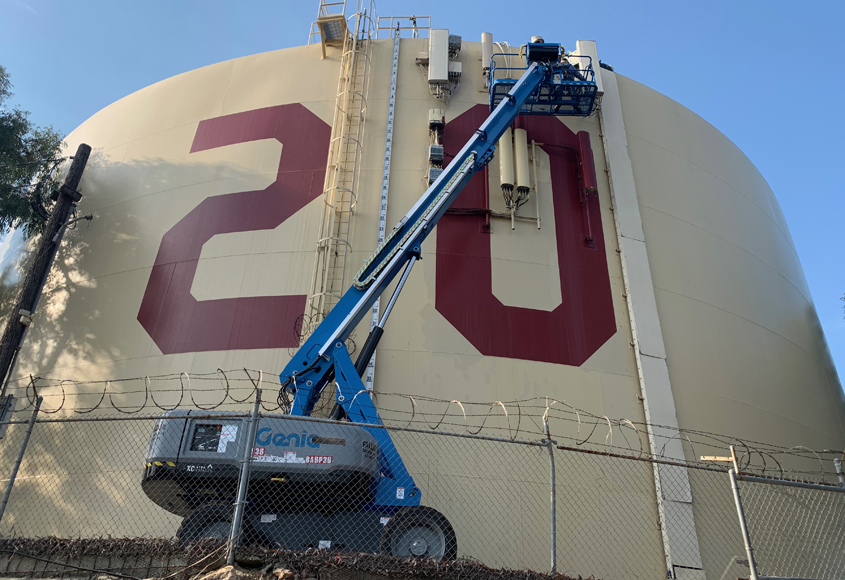
Fallbrook Public Utility District changes the painted numbers on its Rattlesnake Tank to reflect the year incoming seniors at Fallbrook High School will graduate. Photo: Fallbrook Public Utility District

Fallbrook Rattlesnake Tank Artwork Honors High School Seniors

Each year, the Fallbrook Public Utility District’s water storage tank uphill from South Mission Road is painted with new numbers. There’s a story about local Fallbrook history behind the fresh design on the “Rattlesnake Tank.”

The Fallbrook Public Utility District changes the painted numbers on the tank to reflect the year incoming seniors at Fallbrook High School will graduate. Staff recently painted over the “20,” changing it to “21” to welcome the graduating class of 2021.

The reason for the annual external makeover dates back 35 years. Before painting the tank, Fallbrook High seniors took on a longstanding dare. They would climb up the hill in the middle of the night, scale the tank and then paint it themselves.

“Since it’s a long way down, our staff of more than 35 years ago became concerned for their safety,” said Fallbrook PUD’s Noelle Denke. “So we installed a fence around the tank.”

But it didn’t deter the energetic students. Instead, they began jumping the fence in the middle of the night. So the District struck a deal with the students. If they would stop risking their safety for the dare, the district would safely paint the tank every year to commemorate them.

“And we’ve been doing it ever since,” said Denke.

Safely saluting seniors with 25-foot high signage

Fallbrook Public Utility District utility workers Colter Shannon and Bryan Wagner do the honors changing the painted numbers on Rattlesnake Tank for the Class of 2021. Photo: Fallbrook Public Utility District

Fallbrook Public Utility District utility workers Colter Shannon and Bryan Wagner do the honors of changing the painted numbers on Rattlesnake Tank for the Class of 2021. Photo: Fallbrook Public Utility District

It takes District staff about eight hours to paint the 25-foot-tall numbers onto the 3.6 million-gallon tank. Since the tank shares the space with several cell towers, the Fallbrook Public Utility District makes arrangements with the owners to power down their towers. Then crews safely hoist themselves up to the tower and get to work painting.

Rattlesnake Tank was built in the early 1950s and is one of Fallbrook’s oldest and most visible water tanks.

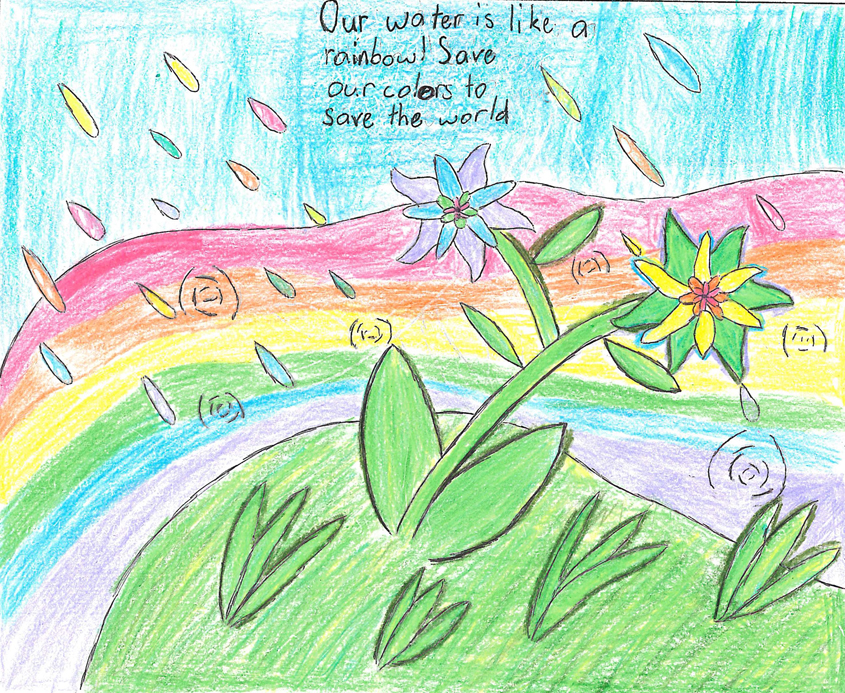
Second place winner Kylie Barbosa created a colorful illustration of bright flowers surrounded by a rainbow and multi-colored rain drops. Photo: Olivenhain Municipal Water District water awareness poster contest

Fourth Grade Artists Win Water Awareness Poster Contest

Three fourth grade student artists were honored by the Olivenhain Municipal Water District Board of Directors at its September 9 meeting as the winners of the District’s 2020 Water Awareness Poster Contest.

This year’s theme asked students to illustrate how they “Love Water, Save Water.”

The district annually invites fourth-grade students living or attending school within the Olivenhain Municipal Water District service area to enter the contest. Because of the change to distance learning in March due to the COVID-19 pandemic, the contest deadline was extended to June 15. Six classes from the district’s service area participated.

“We have been holding this poster contest for nearly three decades,” said OMWD board member Bob Topolovac. “This year, the classroom setting may have changed, but it’s reassuring to see that the students’ creativity and excitement for water conservation is as strong as ever.”

The 2020 water awareness poster contest winners


Photo: Olivenhain Municipal Water District water awareness poster contest

Photo: Olivenhain Municipal Water District

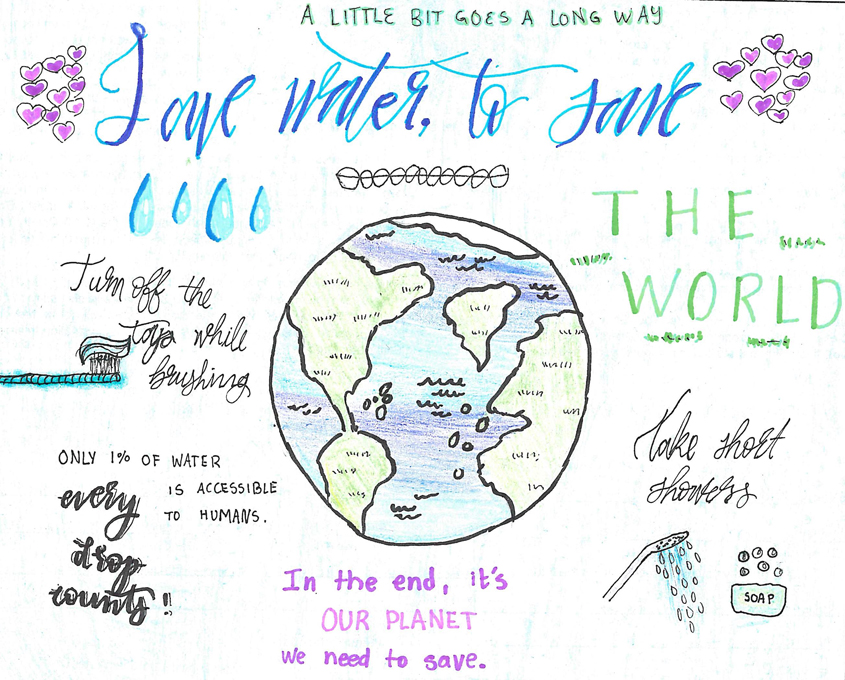
First Place – Ruchika Kench, Stone Ranch Elementary. Ruchika Kench’s poster depicts the planet Earth surrounded by handwritten messages portraying the value of water and the importance of preserving water for all to enjoy.

Photo: Olivenhain Municipal Water District

Second Place – Kylie Barbosa, Stone Ranch Elementary. Kylie Barbosa created a colorful illustration of bright flowers surrounded by a rainbow and multicolored raindrops. She pledges to drink water from a reusable bottle and to take shorter showers.

Photo: Olivenhain Municipal Water District water awareness poster contest

Photo: Olivenhain Municipal Water District

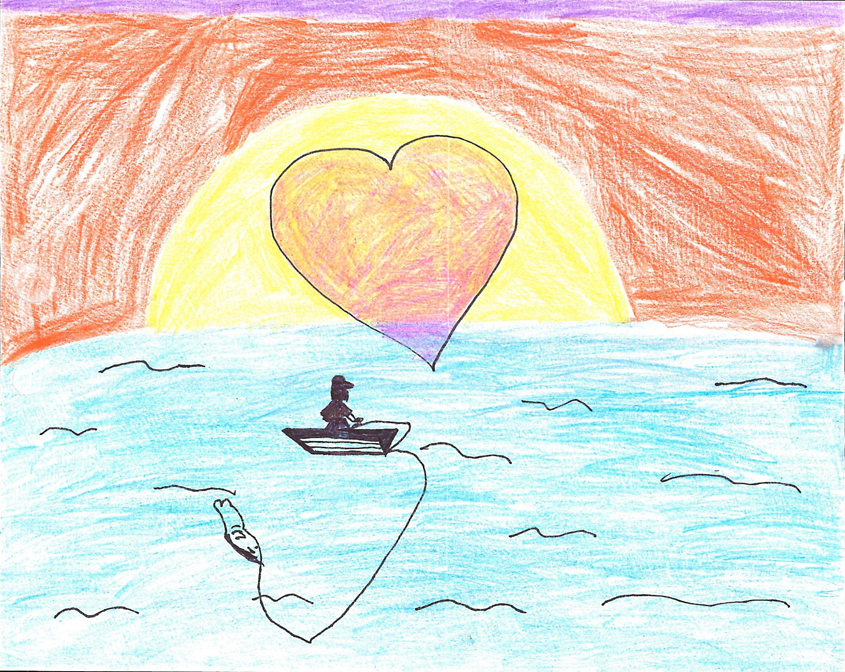
Third Place – Ryan King, Flora Vista Elementary. Ryan King drew an image of a person fishing with a sunset and a heart in the background. He recommends collecting rainwater to irrigate plants as a way to conserve water.

Kendra Jones, the first place winner’s fourth-grade teacher, also received a $50 gift card to Lakeshore Learning Store for classroom supplies. New 2021 calendars featuring the winning artwork will be available to the public for free from the Olivenhain Municipal Water District in December.

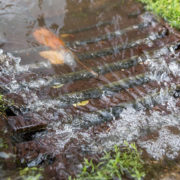
A new County of San Diego online resource can help you protect watershed by diverting it from the storm drain system. Photo: NIH.gov

San Diego County Website Helps Residents Protect Watershed

Because San Diego County gets so little natural rainfall, most residents must artificially irrigate their landscaping. Rainfall becomes a welcome sight when it occurs.

But rainfall turns into an unwelcome problem when it enters the storm drain system. After the first heavy rain in several months, stormwater runoff gathers pollutants building up on surfaces like rooftops, parking lots, sidewalks, and streets. This polluted water gets carried into street drains that dump out directly into the Pacific Ocean. Pollutants harm waterways and affect sea animals, plants, and the people who surf, swim, or dive in the ocean.

Residents may be contributing to this problem between rainstorms without realizing it. Your yard drainage system including French drains, weeping tiles, and sub-surface drains should not be used for non-stormwater water runoff.  They are intended only to prevent flooding by diverting rainwater from your property to the road or street.

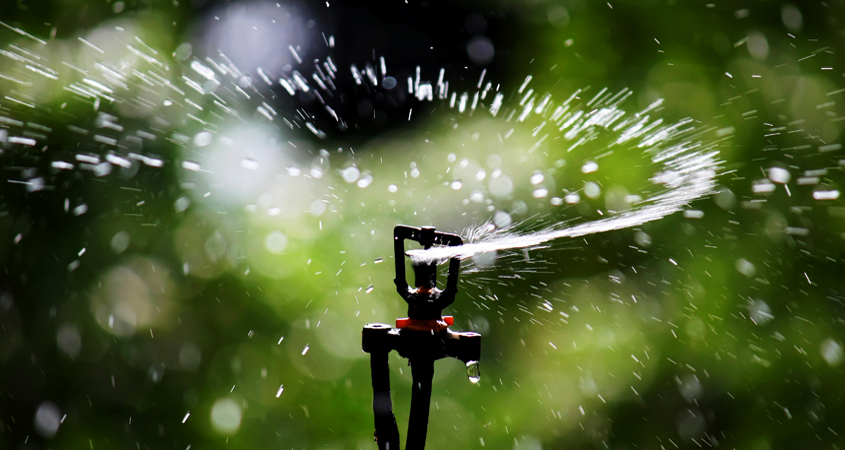
If your irrigation system overflows from landscaping, runoff water may carry pollutants like pesticides, herbicides, and fertilizers into the storm drain system. Photo: Wikimedia

If your irrigation system overflows from landscaping, runoff water may carry pollutants like pesticides, herbicides, and fertilizers into the storm drain system. Photo: Wikimedia

If your irrigation system overflows from landscaping, or wash water runs off hardscapes or sidewalks, these non-stormwater activities may carry pollutants like pesticides, herbicides, and fertilizers into the storm drain system and cause the same negative effects as runoff from rainfall.

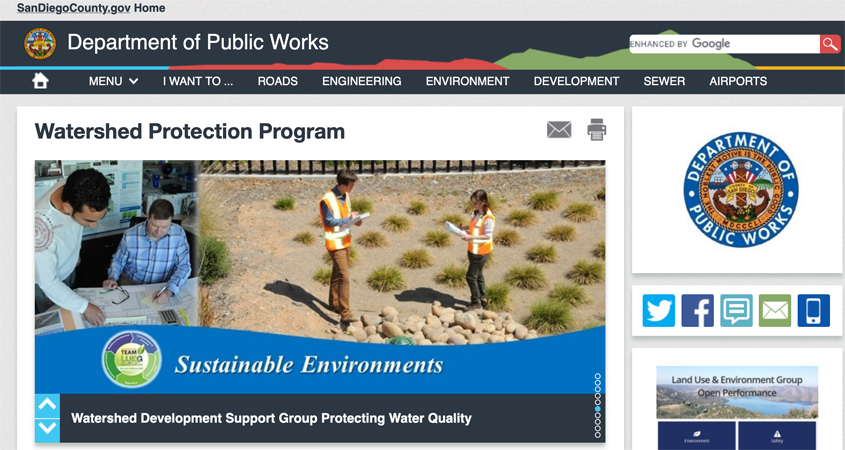
The County of San Diego’s Watershed Protection Program in the Department of Public Works has created a webpage with useful information and photos to educate the public and assist in preventing watershed damage. Program Coordinator Christine A. Tolchin, QSD, QISP, CPESC says new information is added monthly.

The County of San Diego’s Watershed Protection Program in the Department of Public Works has created a webpage with useful information and photos to educate the public and assist in preventing watershed damage. Program Coordinator Christine A. Tolchin, QSD, QISP, CPESC says new information is added monthly. Photo: SDCounty.gov

The County of San Diego’s Watershed Protection Program in the Department of Public Works has created a webpage with useful information and photos to educate the public and assist in preventing watershed damage. Program Coordinator Christine A. Tolchin, QSD, QISP, CPESC, says new information is added monthly. Photo: SDCounty.gov

Stormwater diversion tips

The website shares these tips to prevent non-stormwater runoff from carrying pollutants into our waterways.

  • Redirect sprinkler heads and hose down items such as patio furniture away from your yard drain.
  • Temporarily cover your yard drain with a bowl or mat when watering.
  • Use dry methods such as sweeping to clean your gutters, patio, and yard.

Your property should also integrate best practices to slow down and divert natural stormwater runoff after heavy rains. Three common methods include:

  • Detention: Protect against flooding by temporarily pooling runoff on your property, allowing pollutants to settle before being discharged to the storm drain system.
  • Infiltration: Divert stormwater runoff to areas where water can soak into the soil and benefit from natural filtering such as gravel, mulch, or grassy trenches.
  • Vegetated: Uses landscape plants and soil to remove pollutants from stormwater runoff through flow-thru planters, buffer strips, and vegetated swales.

Yard drains and diversion methods should regularly be cleared of debris so they operate properly and are ready for a storm event. It’s a good time to do it now while the sun is shining in San Diego.

Emily Castiglione's winning poster She is an eighth grade student at Joan MacQueen Middle School in Alpine. Photo: Padre Dam MWD Water Is Life

Student Art Brings Life to ‘Water Is Life’ Contest

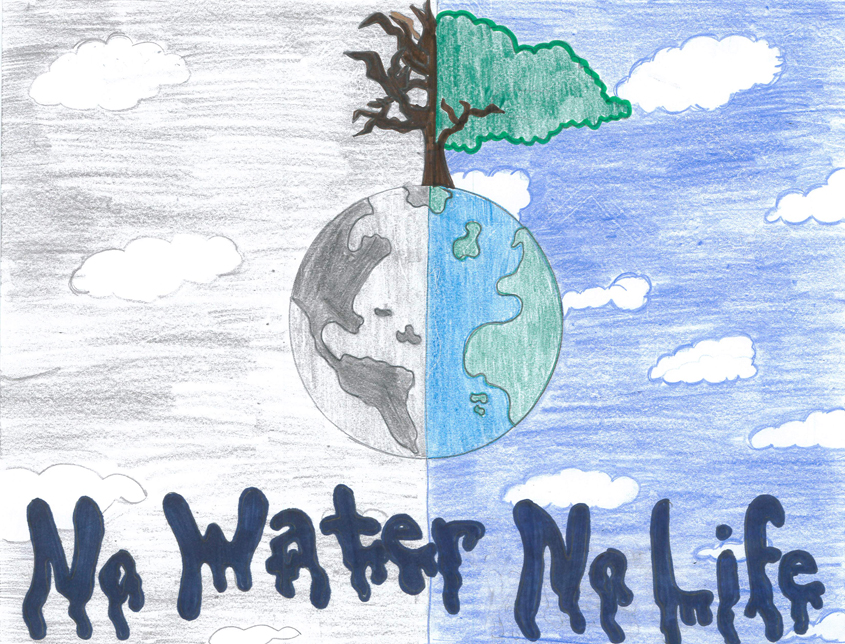
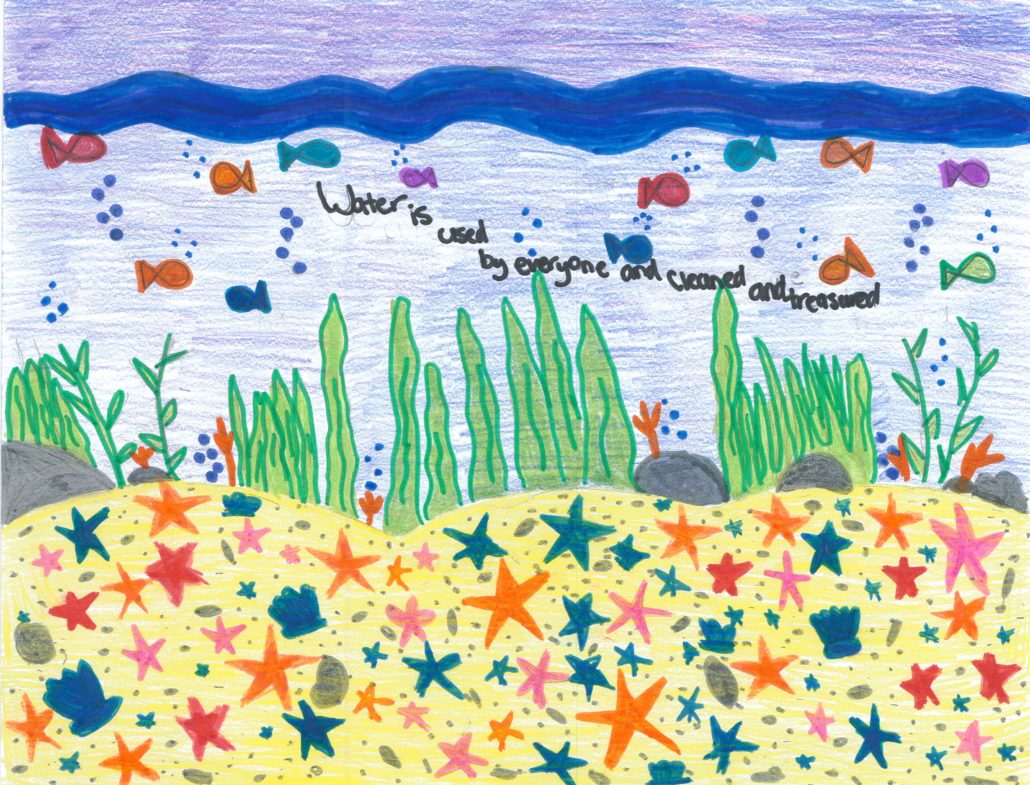
Eight talented East County student artists used their creative skills to depict the importance of water in Padre Dam Municipal Water District’s annual Kids Poster Contest.

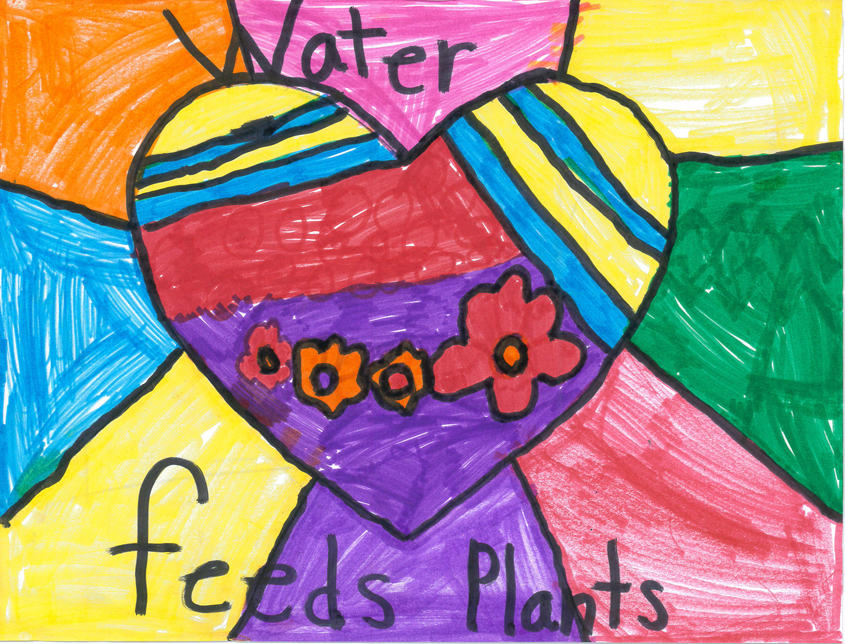
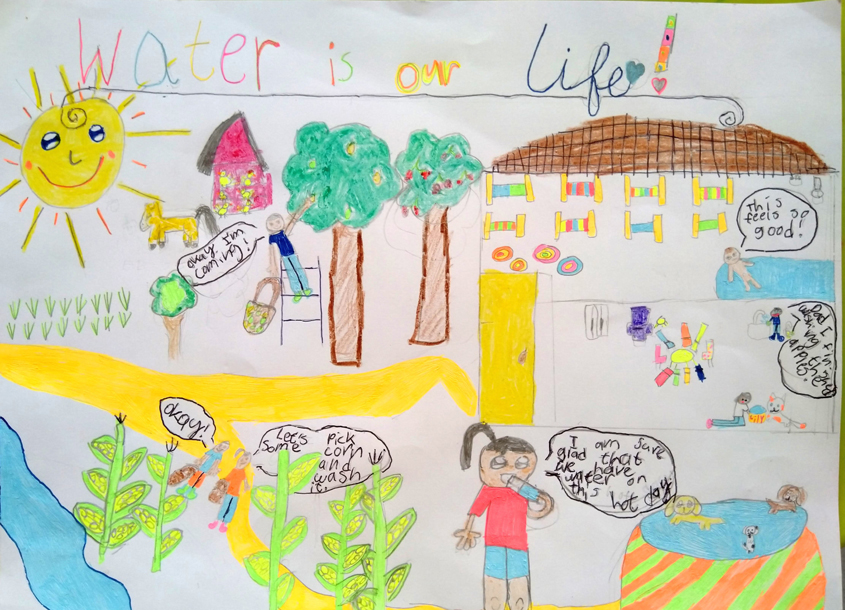
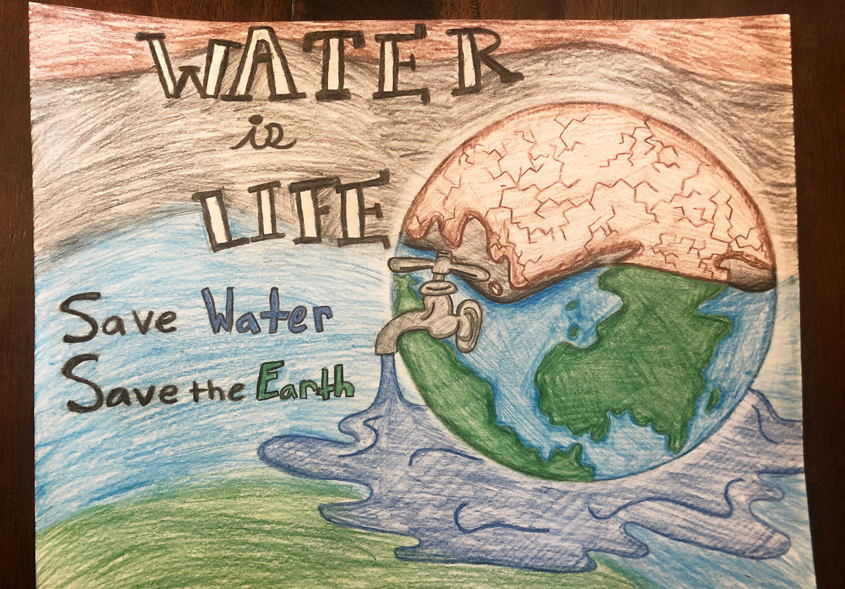
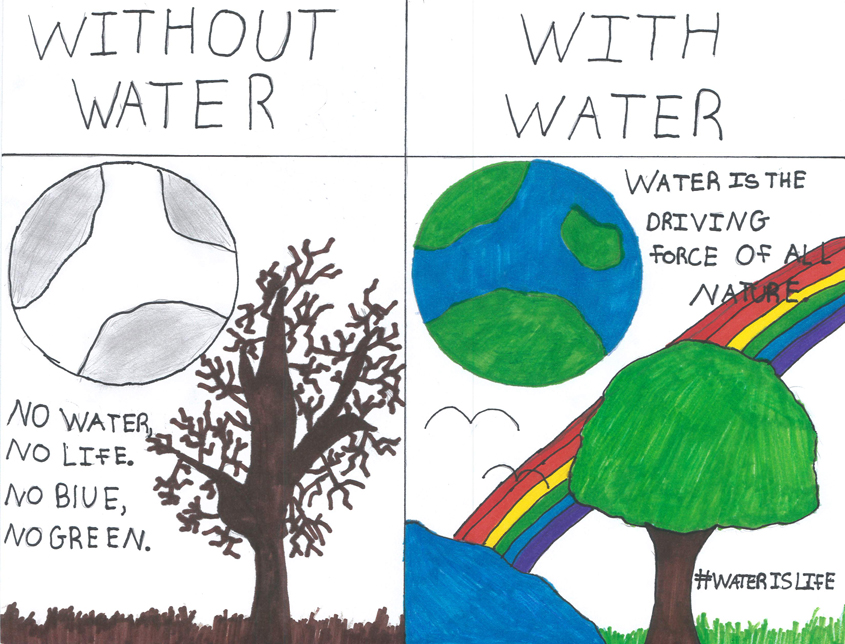
The theme ‘Water Is Life’ asked students to express the value of water in their lives. They could draw, paint, color, cut, or paste original artwork depicting the theme in any way.

Students were honored at the June 17 Padre Dam virtual board meeting online, and the youngsters were featured along with their work in a video.

“Our Annual Water Is Life Poster Contest is a great opportunity for students to learn about the importance of using water wisely and we are thrilled to celebrate this year’s winning young artists,” said Melissa McChesney, Padre Dam communications manager. “These students did a wonderful job capturing the value of water in beautiful works of art.”

The 2020 contest winners:

Hailey Ramirez – First Grade, Pepper Drive Elementary School, El Cajon Water Is Life

Hailey Ramirez – First Grade, Pepper Drive Elementary School, El Cajon. Photo: Padre Dam MWD


Letty Damyanov – Third Grade, PRIDE Academy, Santee. Photo: Padre Dam MWD

Letty Damyanov – Third Grade, PRIDE Academy, Santee. Photo: Padre Dam MWD

Water is Life

Violet Jacobson – Fourth Grade, Hill Creek School, Santee. Photo: Padre Dam MWD Water Is Life

Violet Jacobson – Fourth Grade, Hill Creek School, Santee. Photo: Padre Dam MWD


Sarah McGregor – Fifth grade, Chet F. Harritt Elementary School, Santee. Photo: Padre Dam MWD

Sarah McGregor – Fifth grade, Chet F. Harritt Elementary School, Santee. Photo: Padre Dam MWD


Sarah Bernier – Sixth Grade, Joan MacQueen Middle School, Alpine. Photo: Padre Dam MWD Water Is Life

Sarah Bernier – Sixth Grade, Joan MacQueen Middle School, Alpine. Photo: Padre Dam MWD


Gianna Casillas – Eight Grade, Joan MacQueen Middle School, Alpine. Photo: Padre Dam MWD

Gianna Casillas – Eighth Grade, Joan MacQueen Middle School, Alpine. Photo: Padre Dam MWD


Angelina Casillas – Eighth Grade, Joan MacQueen Middle School, Alpine. Photo: Padre Dam MWD

Angelina Casillas – Eighth Grade, Joan MacQueen Middle School, Alpine. Photo: Padre Dam MWD


Emily Castiglione - Eighth Grade, Joan MacQueen Middle School, Alpine. Photo: Padre Dam MWD

Emily Castiglione – Eighth Grade, Joan MacQueen Middle School, Alpine. Photo: Padre Dam MWD

Poster contest part of new Kids Corner program

The ‘Water Is Life’ annual poster contest is among the fun, educational summer activities included in Padre Dam’s new Kids Corner online. The web page offers a variety of water-based activities including online games, activity sheets, videos, hands-on experiments, and more. These projects are suitable for all grade levels from kindergarten through high school.

McChesney said the District is working to add new activities to involve kids and their parents in learning about science. Kids Corner is part of Padre Dam’s website.
Read more

Cuyamaca College’s Water & Wastewater Technology program is the oldest and most comprehensive program of its kind in the California Community Colleges system. Photo: CWEA Open House

Water Studies Open House Keeps Career Pipeline Flowing

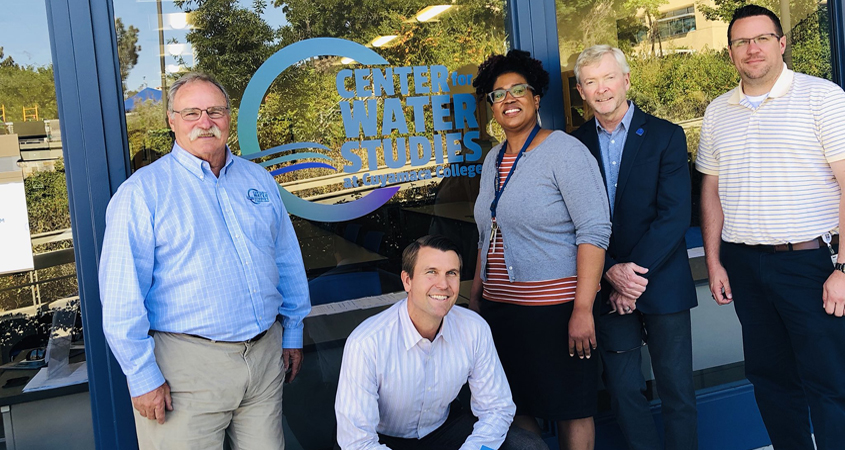
In an economy altered by the coronavirus pandemic, water and wastewater industry essential employees remain in demand. To help people explore their career options, the Cuyamaca College Center for Water Studies program will hold its annual Open House and Student Orientation at distance via Zoom on Tuesday, August 11, at 6 p.m.

Vanessa Murrell, grant manager for the Center for Water Studies at Cuyamaca College, says anyone interested in exploring this career field is invited to participate and learn what makes it such an attractive choice.

“Careers in water are generally recession-proof with accessible career advancements and opportunities in addition to competitive salary and benefits,” said Murrell. “We anticipate more openings over the next few years as water remains a necessary resource for survival and sanitation.”

Murrell says the Open House offers an overview of the program, the degrees and certificates offered, the variety of courses available, details on required California state certifications, and the range of careers available in the water and wastewater industry. Participants will meet professors and current students and can ask questions.

To register for the Open House, send an email to or and you will receive a link to the Zoom site.

Career growth and meaningful jobs

Participants will meet professors and current students, and get the opportunity to ask questions. Photo: Michael Barder, CVESD via Twitter Open House

Participants will meet professors and current students and get the opportunity to ask questions. Photo: Michael Barder, CVESD via Twitter

A career in the growing water industry presents an opportunity to earn money while protecting the environment and servicing the community in an essential role. The ability to provide clean, safe drinking water is a complex endeavor and is getting more complex as time goes on.

Skilled water professionals are in high demand as the current workforce ages. Water and wastewater agencies employ more than 60,000 workers statewide, including 5,000 in San Diego County, according to the federal Bureau of Labor Statistics. The Water Research Foundation anticipates one-third of the utilities workforce will retire over the next decade.

In San Diego County, wastewater treatment and system operators earn an average annual wage of more than $66,000, according to the Bureau of Labor Statistics.

Program partnerships with local water agencies

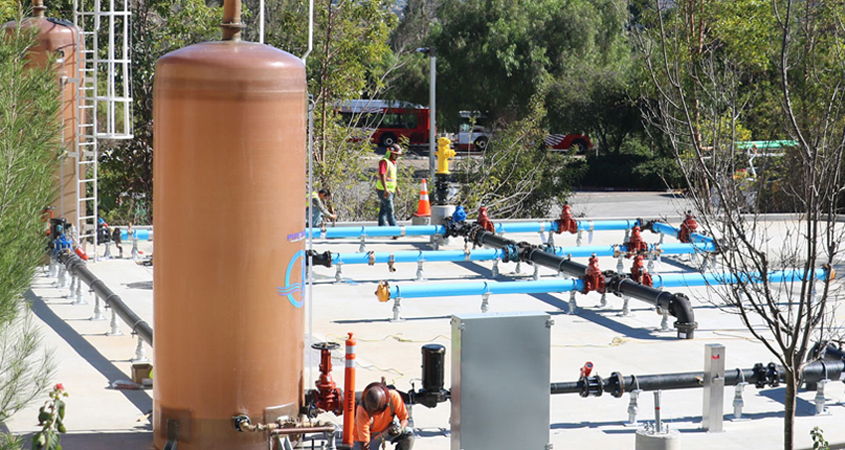
Cuyamaca College's innovative Field Operations Skills Yard is newly updated to provide students with practical challenges they will face in today’s complex water and wastewater facilities when they are able to return to campus. Photo: Cuyamaca College

Cuyamaca College’s innovative Field Operations Skills Yard is newly updated to provide students with practical challenges they will face working with water and wastewater industry facilities. Photo: Cuyamaca College

Established in 1960, Cuyamaca College’s Water & Wastewater Technology program is the oldest and most comprehensive program of its kind in the California Community Colleges system, educating the state’s water utility workforce for more than a half a century. Its innovative Field Operations Skills Yard is newly updated, and, when students are able to return to campus, will provide students with practical challenges they will face in today’s complex water and wastewater facilities. Currently, fall courses will take place online.

The college works closely with local water agencies. Members of the Cuyamaca College Water & Wastewater Technology Program Industry Advisory Committee include the San Diego County Water Authority, City of San Diego Public Utilities Department, Helix Water District, Padre Dam Municipal Water District, the City of Escondido Utilities Department, Olivenhain Municipal Water District, and other agencies.

Read more

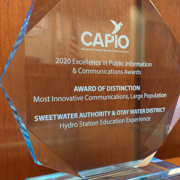
The Sweetwater Authority received CAPIO's EPIC Award earlier this month for its innovative communication for the Hydro Station Education Experience. Photo: Sweetwater Authority

Sweetwater Authority and Otay Water District Win Statewide Award for Hydro Station Education Experience

The Sweetwater Authority Governing Board on July 22 was presented with the California Association of Public Information Officials Award of Distinction for excellence in public information and communications. As a collaborative project with the Chula Vista Elementary School District, the Sweetwater Authority and the Otay Water District received the award from CAPIO earlier this month for innovative communications for the Hydro Station Education Experience.

The Hydro Station at Sweetwater’s Richard A. Reynolds Groundwater Desalination Facility,  hosts learning exhibits and hands-on activities to introduce 4,000 local students annually to the ecological cycle of water, water conservation, water quality, and careers in the water industry. The Hydro Station is made possible through a partnership between the Sweetwater Authority, Chula Vista Elementary School District, and the Otay Water District.

Hydro Station Education Experience opened in August 2019

Chula Vista fifth graders enjoy their first visit to the new Hydro Station educational facility. Photo: Sweetwater Authority

Chula Vista fifth graders enjoy their visit to the new Hydro Station educational facility. Photo: Sweetwater Authority

“It is exciting to be on a Board that values the importance of strategic partnerships,” said Governing Board Chair Steve Castaneda. “We are working with the Chula Vista Elementary School District and the Otay Water District to provide educational opportunities for students in our service area and to expose local children to a career path that could position them as tomorrow’s water leaders.”

The program opened in August 2019 after months of planning and collaboration with its partners.

The Authority’s Communications Committee Chair, José F. Cerda, is a long-time advocate of the partnership.

“As a former Chula Vista Elementary School District educator, I have seen the impacts that these sort of innovative classroom experiences can have on students and their families,” said Cerda. “I am so proud of the work that we are doing at the Authority and being an industry leader in creating and developing experiences for the children in our community.”

The Hydro Station will resume in a virtual format for students in the Chula Vista Elementary School District next month.

Read more