Tag Archive for: Pollinators

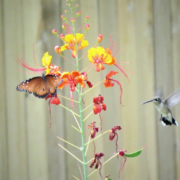
Butterflies and hummingbirds aren't just visually appealing; they also provide a service to your landscape by pollinating plants. Photo: GeorgeB2/Pixabay

Attract Butterflies and Hummingbirds

Witnessing the quick burst of color that often accompanies a butterfly or hummingbird’s flight is always exciting. It’s even more exciting when you see them in your own garden. Aside from being visually appealing, butterflies and hummingbirds also provide a service to your landscape by helping to pollinate plants. In doing so, they ensure seeds for future generations of plants.

How do you attract these beautiful garden pollinators?

Colorful, tube-shaped flowers located in sunny areas will attract hummingbirds in search of nectar. In Southern California, these tiny pollinators can stay year-round with a steady food supply. To provide this supply, try selecting a variety of plants that will bloom at different intervals throughout the year.

Hummingbirds also like shrubs and trees that provide shade where they can rest or find materials to build nests. Those cool areas are also where they can hunt insects. This can be helpful to your garden as they may eat insects harmful to other plants.

Similarly, butterflies also rely on flowers that provide nectar. They need host plants, which California native plants often are, where they can lay eggs. These eggs will hatch caterpillars, which will need to feed on nearby leaves. If you are concerned about leaves with lots of holes from hungry caterpillars, try strategically placing these plants behind other plants or in the back of your garden.

A good way to plan out where to put certain plants is by mirroring native plant communities.

Some native California plants that attract butterflies and hummingbirds:

  • California Fuchsia
  • Manzanitas
  • Chaparral Currant
  • Narrowleaf Milkweed
  • Sticky Monkeyflower
  • Coyote Mint

By selecting the right types of native plants, your landscape will burst into color!

The Water Authority and its partners also offer other great resources for landscaping upgrades, including tips for sustainable landscaping best practices at SustainableLandscapesSD.org and free WaterSmart classes at WaterSmartSD.org.
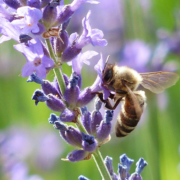
Encourage pollinators to visit your sustainable landscaping with plants that attract bees, butterflies, and others. Photo: Flickr/Creative Commons

Planting for Pollinators

Plants and insects need each other to survive. Nature provides checks and balances in a garden. You can attract insects and creatures that help maintain the healthy balance of a garden without pesticides.  

Flowering plants rely on insects for pollination, and thus reproduction. In turn plants feed and house insects. Some bugs eat too much, destroying their plant hosts and spreading disease. Other beneficial insects fight off the destructive species, eating them or disrupting their reproductive process. 

Birds, bats and lizards help too, consuming pests both large and small.  

Actively cultivating a diversity of plants in the landscape that flower at different times of the year attracts helpful insects and predators. It also improves the resilience of gardens and reduces the need for chemicals.  

To attract more garden helpers, like mason bees and lizards, create habitat for them. Consider getting establishing a nesting box for bees. Leave a small rock pile for lizards to inhabit. Put a large tree branch in the garden and let it decompose naturally.   

Plant a Butterfly Garden 

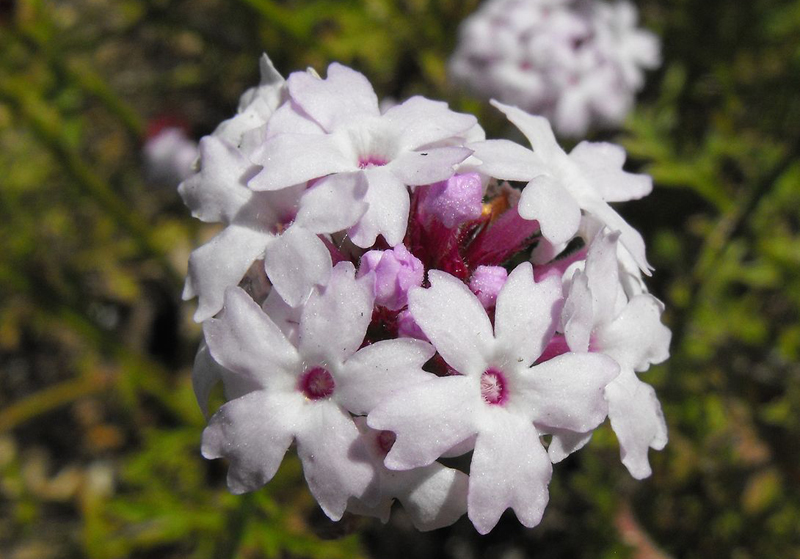
Many specific of native Verbenas are excellent choices to attract pollinators to your sustainable landscaping. Photo: WIkimedia Commons

Many specific of native Verbenas are excellent choices to attract pollinators to your sustainable landscaping. Photo: WIkimedia Commons

There are many plants that support the lifecycle of butterflies. Try to use several in your garden to boost larvae and caterpillars as well as the full-grown, nectar seeking adults. Some good choices: 

Narrow Leaf Milkweed (Asclepias fascicularis) 

Island Alum Root (Heuchera maxima) 

San Miguel Island Buckwheat (Eriogonum grande var. rubescens) 

Cedros Island Verbena (Verbena lilacina) 

Island Bush Snapdragon (Gambelia speciosa)  

Got Bees? 

Not all ground needs to be covered in mulch. Try designating a five- to ten-square-foot patch of open ground for ground-nesting bees and insects, especially if your garden contains San Diego native plants.  


This article was inspired by the 71-page Sustainable Landscapes Program guidebook available at SustainableLandscapesSD.org. The Water Authority and its partners also offer other great resources for landscaping upgrades, including free WaterSmart classes at WaterSmartSD.org.