You are now in Achievements Features category.

Debby Dunn’s Fab 4: A look Inside SDCWA’s New Water-Smart Garden

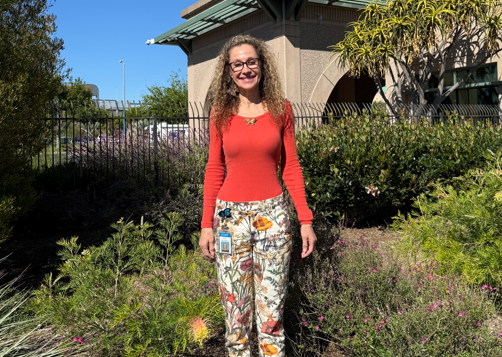
The San Diego County Water Authority recently completed a redesign of its landscape at its Kearny Mesa headquarters to promote native vegetation. Originally laid out in 2008, the garden received an upgrade in 2017 and now, 8 years later, has gotten another major update. Spearheading the project was the Water Authority’s Senior Water Resource Specialist, Debby Dunn, who has over two decades in water conservation and sustainable landscapes. Drawing on her expertise, Debby selected a vibrant array of California native and other colorful, water-wise plants. Below, she shares her Fab 4 picks featured in the new garden.  These beauties, along with the plants on the Nifty 50 and Happy 100 plant lists, are wonderful options for residential and commercial landscapes across Southern California. Here are four great additions for your garden:


Debby Dunn, Sr. Water Resources Specialist for the San Diego County Water Authority and Master Gardener.


Debby’s Fab 4 Plant Recommendations

Common Name: Cleveland Sage

Botanical Name:  Salvia clevelandii

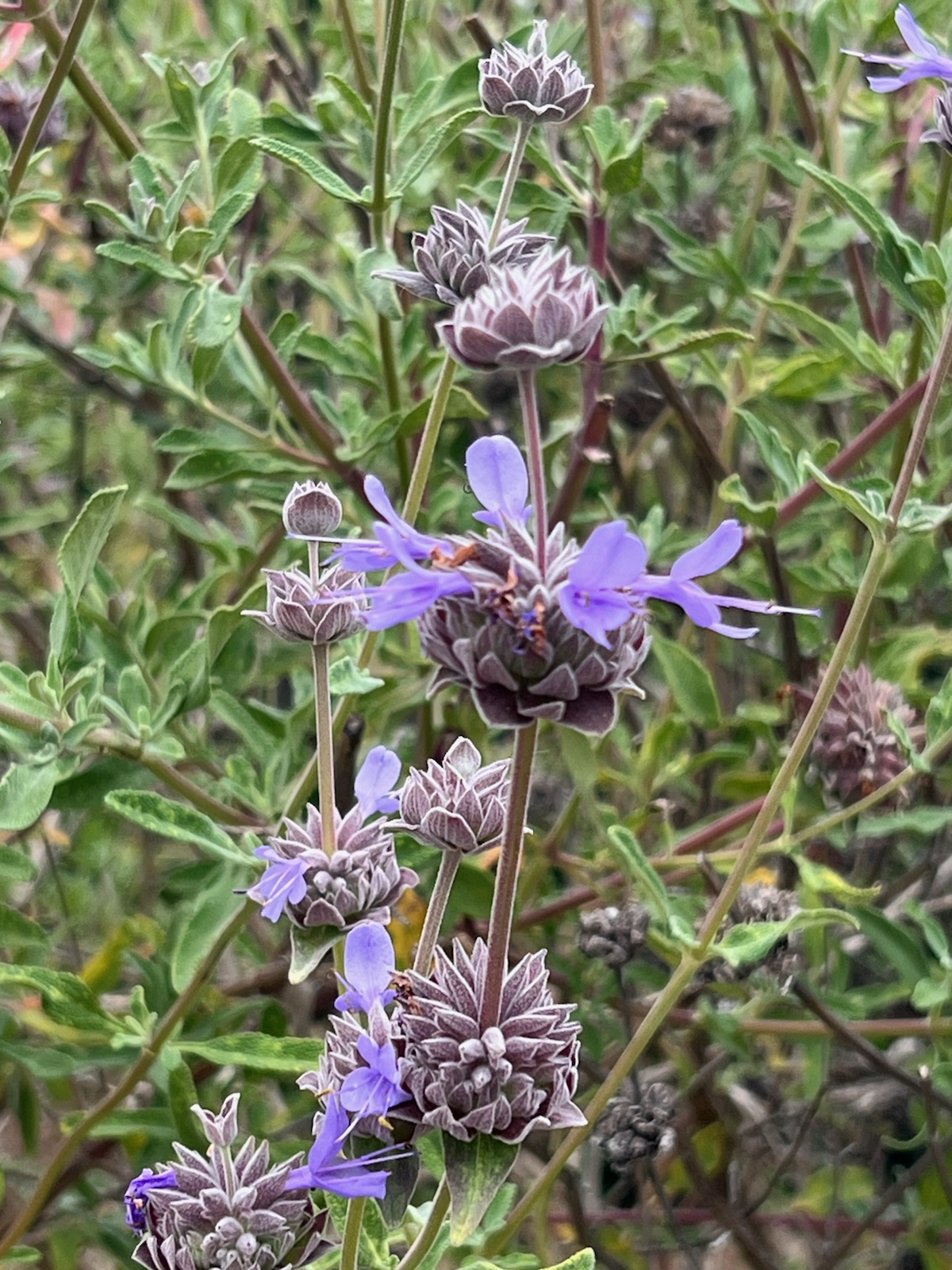
Cleveland Sage

An evergreen, California native shrub that forms a dense, upright mound. Gray-green leaves are soft, quilted, and delightfully fragrant. Upright stalks carry tiered whorls of two-lipped flowers in violet-blue, which make fabulous cut flowers for bouquets or sachets. Heaviest blooms in spring and fall. The flowers and seeds attract birds, bees, butterflies and hummingbirds.

While some say it grows 3’-5’ high and wide, garden proof shows it can get 4’-6’ high and wide. Only trim it back one-third at a time or risk losing the beautiful plant.

Common Name: Superb Grevillea

Botanical Name:  Grevillea ‘Superb’


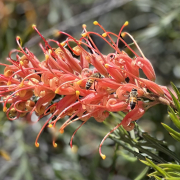
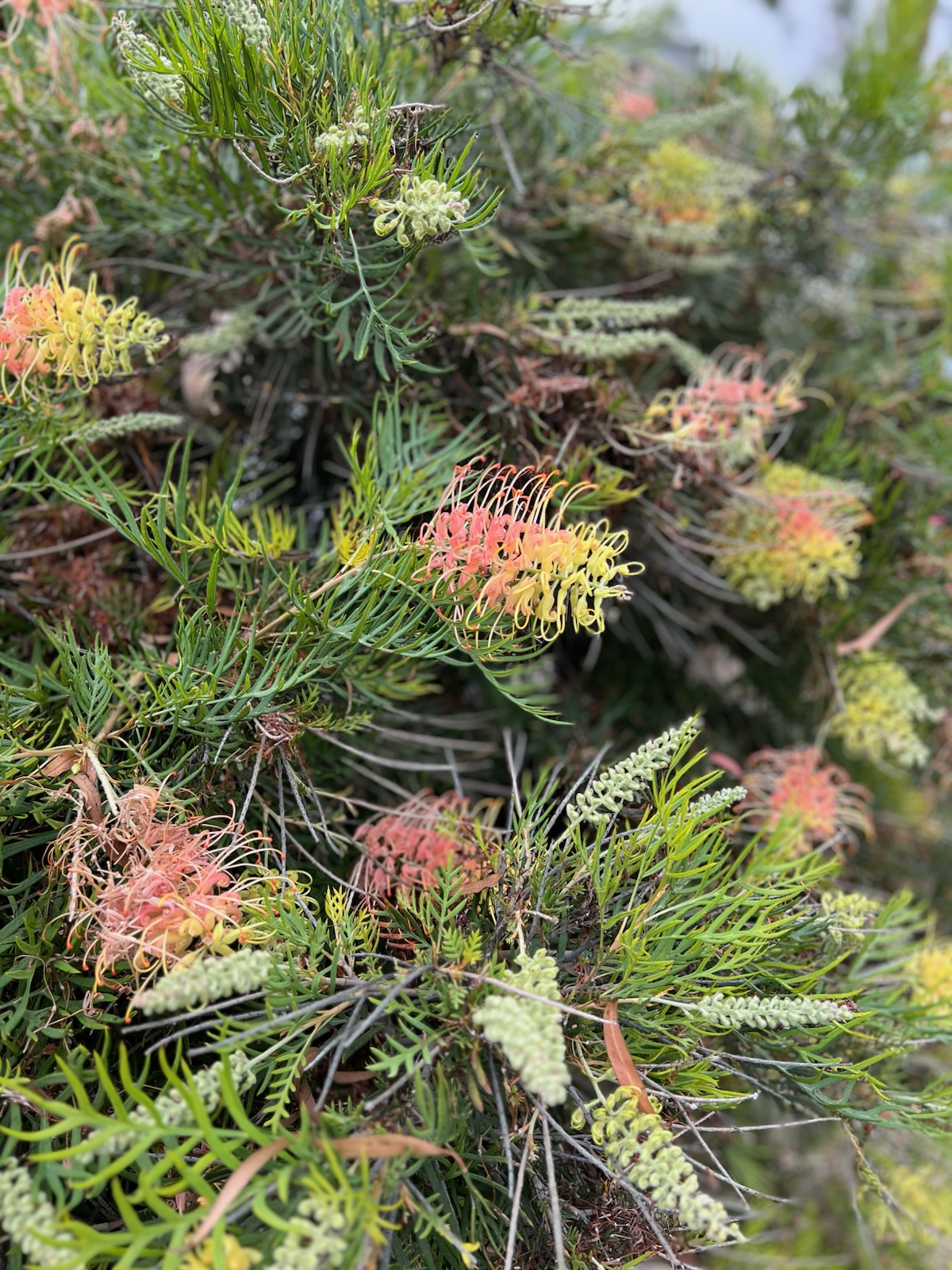
A fast-growing shrub with a plethora of large, spidery-shaped flowers that go from red to orange to yellow.   The green leaves are large in profile but finely dissected and fern-like. Given the space, Australian native can get up to 5’ – 6’ hide by 6’ – 8’ wide.  Superb offers year-round delightful flowers that invite bees and create a hummingbird party.   Debby says, “no garden is complete without a Grevillea Superb!”

Plant in well-drained soil in full or part sun and irrigate occasionally as this plant is tolerant of extended dry periods once established. Do not fertilize this plant, just talk to it and say, “Hey Beautiful!”  This will cause Superb to bloom more and provide you with flowers that create a beautiful bouquet.


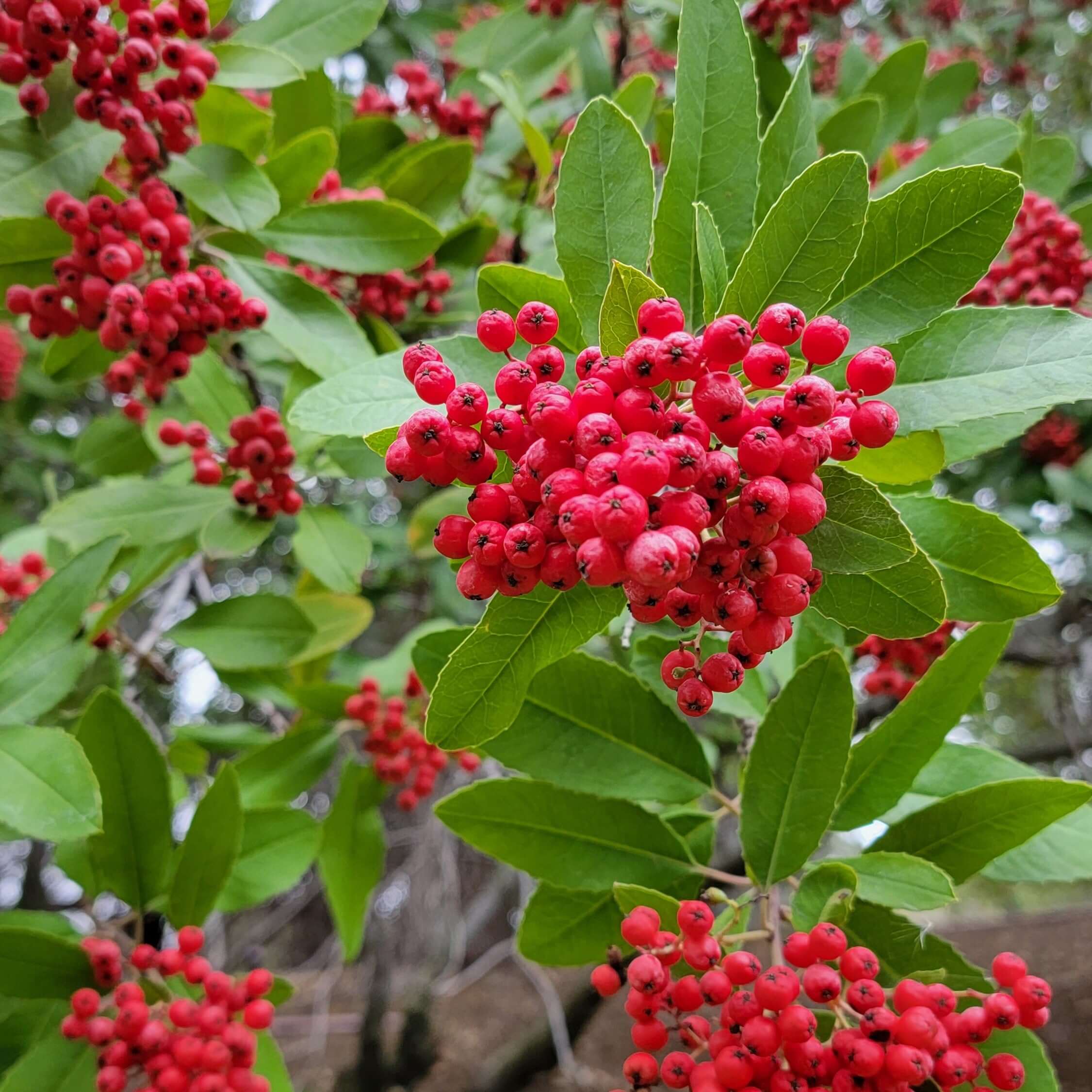
Common Name: Toyon

Botanical Name:  Heteromeles arbutifolia

Toyon


Toyon, also known as Christmas Berry, is an evergreen, native shrub or tree.  They do fine in sun or shade and tolerate most soil types.  In the summer, Toyon produces fragrant, white flowers and in the winter red berries the birds like to eat.  Given the space, it can grow 8’ to 12’ high and wide.  It can be pruned to a shrub or tree shape.  Once established, this is one of the Sturdy 30 plants listed on the Happy 100 plant list.

Common Name: Arabian Lilac

Botanical Name:  Vitex trifolia ‘Purpuirea’

Arabian Lilac

A fast-growing evergreen shrub or small tree growing 5 to 10 feet high by 10 to 15 feet wide with distinctively colored leaves that are green on top and curl, highlighting their purple underside.  This full sun plant produces small lavender-colored flowers.  Vitex is good for slopes, screening or hedging, and attracts butterflies and bees. Shape when young to fit its environment.

More Resources for Upgrading Your Garden

Whether you’re planning a full landscape redo or just looking to add a few new plants to your backyard, Debby’s Fab 4 are a great place to start. Not only are they beautiful, but also low-maintenance and built to thrive in our Southern California climate. With smart plant choices, it’s easier than one may think to create a garden that is both welcoming and water conscious. For more resources on creating a landscape of your own go to www.sdcwa.org/your-water/conservation


New water intake and discharge facilities in and adjacent to Agua Hedionda Lagoon at the Claude “Bud” Lewis Carlsbad Desalination Plant.

Ratepayers Save $29 Million on Desalination Plant Upgrades

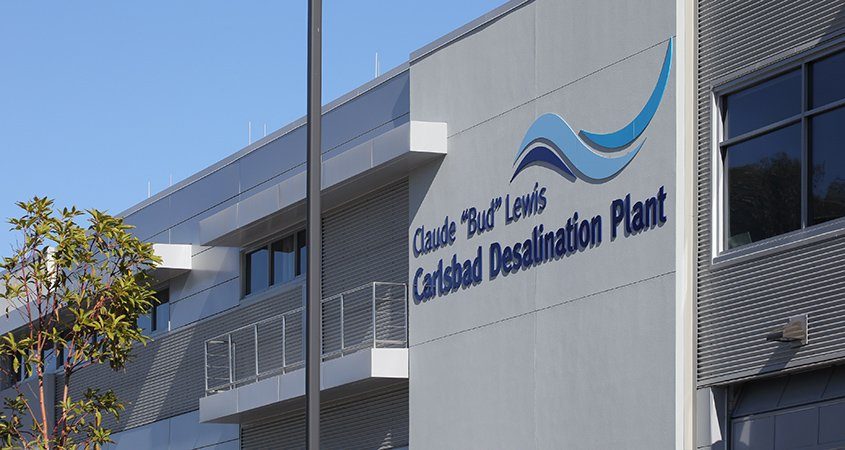
San Diego County ratepayers saved $29 million on newly completed state-mandated upgrades at the Claude “Bud” Lewis Carlsbad Desalination Plant, and some of the savings will lower the cost of water from the plant for years to come. The project benefitted from $19 million in federal grant funds and more than $10 million in savings on construction.

“This project does three vital things – it protects our drought-proof water supply, it protects the environment, and it protects ratepayers,” Water Authority Board Chair Nick Serrano said. “Every time we achieve savings like this, we’re living up to our responsibility to deliver safe, reliable water in the most cost-effective way possible for San Diegans.”

Energy demand-Flex Alert-desalination-pumped storage

The plant also uses energy recovery devices that save an estimated 146 million kilowatt-hours and reduce carbon emissions by 42,000 metric tons every year. Photo: San Diego County Water Authority

The multi-phase project included the installation of new water intake and discharge facilities in and adjacent to Agua Hedionda Lagoon to comply with the California Ocean Plan Amendment. The total project cost was approximately $286 million, and work concluded with more than $10 million left in the account established at the beginning of the project to cover potential unforeseen conditions during construction.

This week, the project also received recognition from Engineering News-Record (ENR) West, a go-to publication for large-scale infrastructure, when it was named the top water/environment project in the annual West Best Projects awards. ENR West noted the project was “completed within budget and on schedule … (and) the new intake and discharge facility’s dual-flow screens improve sustainability, keep the lagoon productive and comply with the California Ocean Plan Amendment.”

The Water Authority will apply project savings to reduce near-term water purchase costs and to reduce the price of water from the desal plant starting in July 2026. Since its completion in December 2015, the facility has produced more than 132 billion gallons of high-quality water and helped the region avoid water-use cutbacks during two major droughts.

1000th Community Leader Graduates from Citizens Water Academy

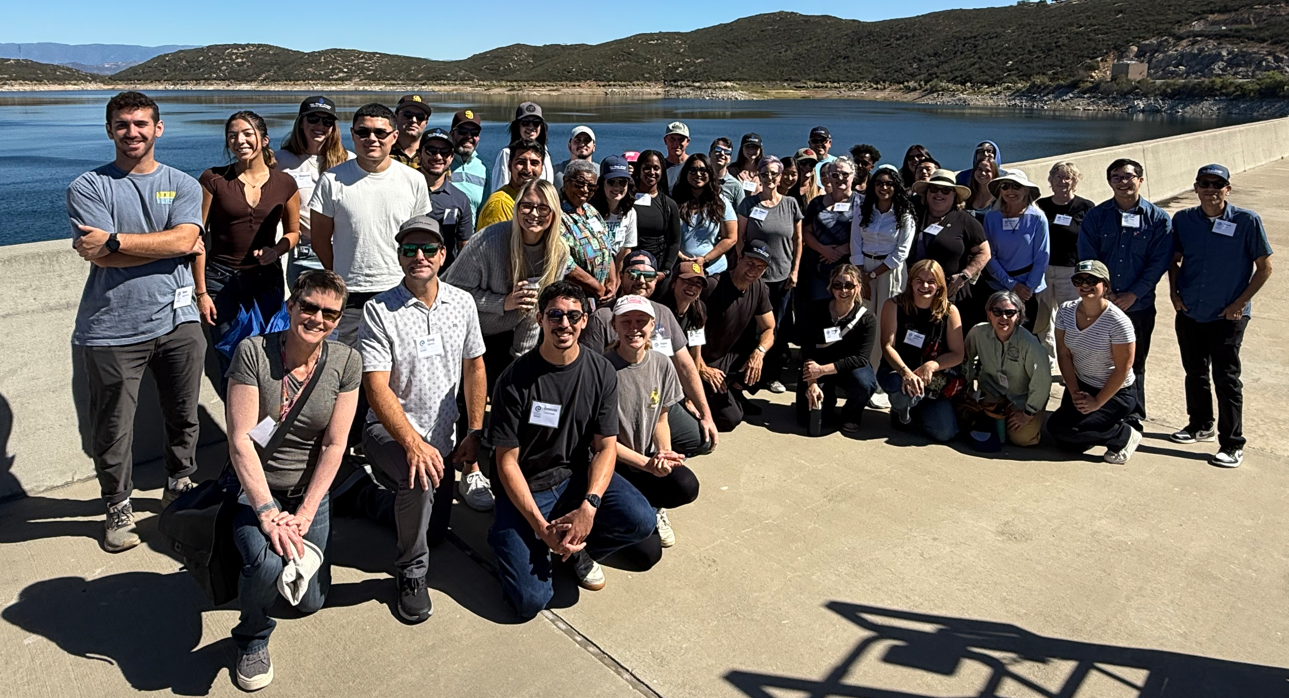
The San Diego County Water Authority’s award-winning Citizens Water Academy celebrated the graduation of its 1,000th community leader last Saturday at the conclusion of this year’s fall class.

During the popular and long-running academy program, civic leaders learn about how the Water Authority has built the safe and reliable water supply San Diego County depends on over the past 80 years. Additionally, attendees visit vital Water Authority sites like the Olivenhain Dam, hear from staff about a wide range of topics from physical infrastructure that makes the system work to the future of the Colorado River, all while building relationships with staff and each other.

“The Citizens Water Academy is a valuable and effective way to help community leaders better understand how the Water Authority manages our most important natural resource,” Board Chair Nick Serrano said. “With more than 1,000 graduates, this academy has helped increase transparency about who we are and what we do to guarantee water reliability and security for the region.”

The Citizens Water Academy launched in fall 2014 and produced a diverse inaugural class of 49 graduates. Over the years, 99 percent of participants said they would recommend the Water Academy to a colleague.

Participants said the class series helped them understand the physical movement of water into and around the region, the importance of the region’s water supply diversification strategy, how large-scale water projects are built and maintained, and how water managers are preparing for future water supply needs.

The Fall 2025 Citizens Water Academy class.

The Fall 2025 Citizens Water Academy class.

The Water Authority typically hosts two academies of roughly 50 participants each year. This year’s class included representatives from several state and local elected offices, leading companies in the region, and an array of non-profits, universities and public agencies.

In addition, the Water Authority maintains an active network of Water Academy graduates who participate in specialized tours, lectures and other events, like the recent “Future of the Colorado River” panel held in conjunction with the San Diego Global Affairs Council and the Burnam Center for Community Advancement. They also stay connected through an alumni newsletter – part of the Water Authority’s commitment to supporting engaged and knowledgeable regional leaders.

The Water Authority will host its next academy in the spring of 2026. For more information about how to take part in this unique experience, visit www.sdcwa.org/in-the-community/citizens-water-academy/.

Equipment displays and hands-on family fun are part of the Padre Dam Municipal Water District Open House on Saturday, October 18. Photo: Padre Dam Municipal Water District

Padre Dam Municipal Water District Hosts Open House on October 18

The Padre Dam Municipal Water District is celebrating 70 years of service to the community with a public open house on Saturday, October 18.

The fun-filled, educational open house will provide guests a behind-the-scenes look at the equipment, facilities and staff that provide water to the community. Everyone is welcome to attend, and there is no requirement to RSVP.

If you would like to receive Open House reminder emails, click here to sign up.

The open house takes place at the Padre Dam MWD headquarters, 9120 Carlton Oaks Drive in Santee from 9 a.m. to 1 p.m.

Open House Features Family Fun Activities and Equipment Demos

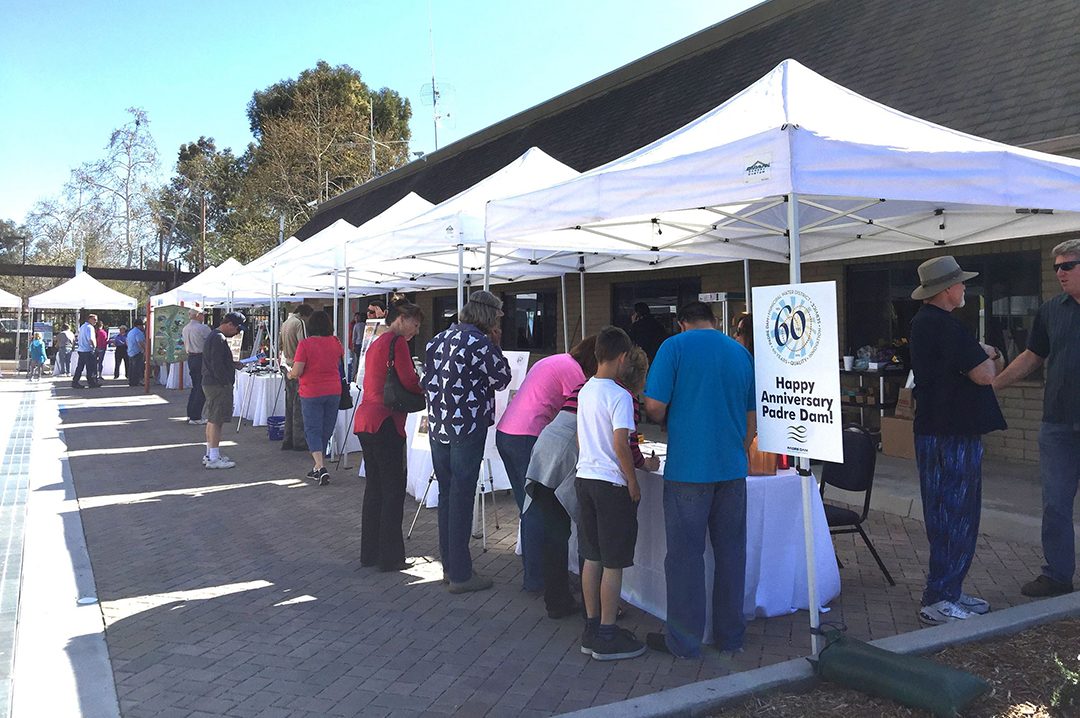
The Padre Dam Municipal Water District Open House offers displays about its operations with plenty of hands-on experiences. Photo: Padre Dam Municipal Water District

The Padre Dam Municipal Water District Open House features displays about its operations, along with numerous hands-on experiences. Photo: Padre Dam Municipal Water District

The entire family will enjoy hands-on activities, equipment demonstrations, games, and educational booths. Guests can pose for a photo at the photo booth, plant and take home native seeds, create their own luxury water, and snack on complimentary shaved ice.

Attendees will enjoy dozens of attractions including:

  • A touch-a-truck experience and photos
  • Games like bean bag toss and fishing for candy
  • Equipment demonstrations and models
  • Trying their hand at fixing a leak
  • Learning about our systems from Padre Dam staff

Significant Place In Regional Water History

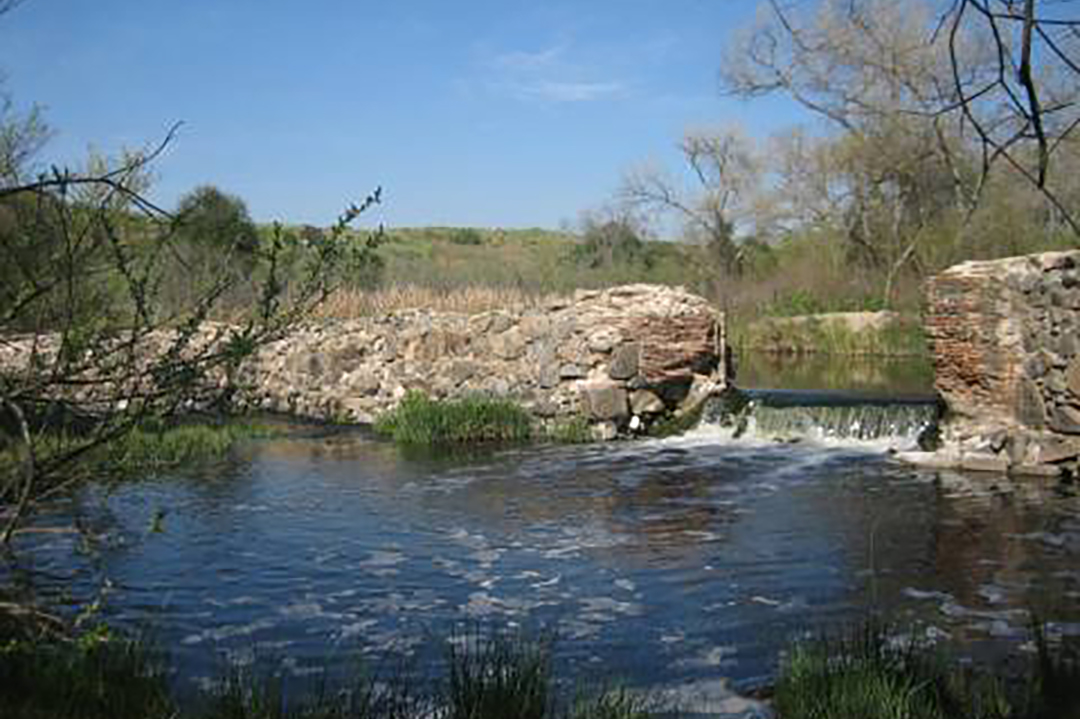
The Old Mission Dam is now part of Mission Trails Regional Park. Photo: Mission Trails Regional Park

The Old Mission Dam is now part of Mission Trails Regional Park. Photo: Mission Trails Regional Park

The Padre Dam Municipal Water District is named for the Old Mission Dam. The dam, built around 1807, is a historic water landmark located nearby in Mission Trails Regional Park. The 12-foot-high, 220-foot-long dam with a five-mile-long flume was California’s first major irrigation project. It provided water to the Mission San Diego de Alcala and its 1,500 people living in a drought-prone climate.

The District was formed in 1976 when voters approved the merger of Santee County Water District with Rio San Diego Municipal Water District, which were originally established in the mid-1950s to serve the region’s growth. The new district took on its current name, the Padre Dam Municipal Water District.

In 1959, the Santee County Water District embarked on a pioneering project for its time of recycling wastewater for irrigation and commercial use. The treatment process became a chain of seven recycled water lakes. Boating and fishing were authorized in 1961, and Santee Lakes opened to the public for recreation.

The recycled water project and Santee Lakes received worldwide attention and continue to attract visitors in the field of water reuse and reclamation.

Today, Padre Dam Municipal Water District provides potable water, wastewater collection and treatment, water recycling, and recreational facilities to Santee, Blossom Valley, Dehesa, Crest, Alpine, Harbison Canyon, Flinn Springs, and a small portion of Lakeside and El Cajon.


Water Leaders Discuss the Future of the Colorado River

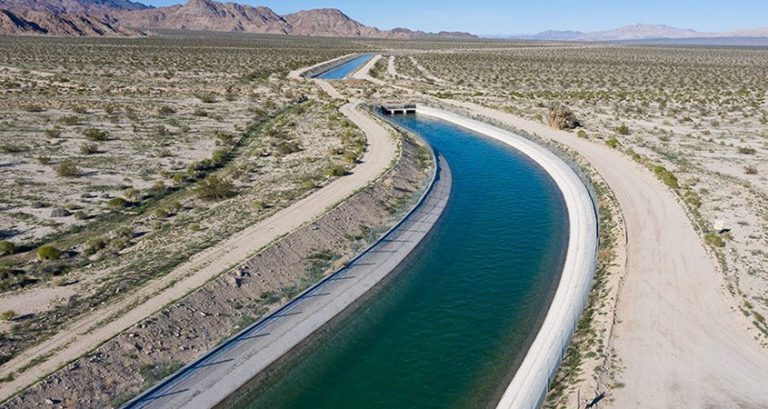
The San Diego County Water Authority and partners convened an expert panel conversation on the future of the Colorado River for a packed room of Citizen Water Academy alumni and special guests on Sept. 5. The conversation, co-sponsored by the San Diego Global Affairs Council and the Burnam Center for Community Advancement and titled “The Future of the Colorado River”, comes as the deadline for negotiations on new river allocations approaches at the end of this year.

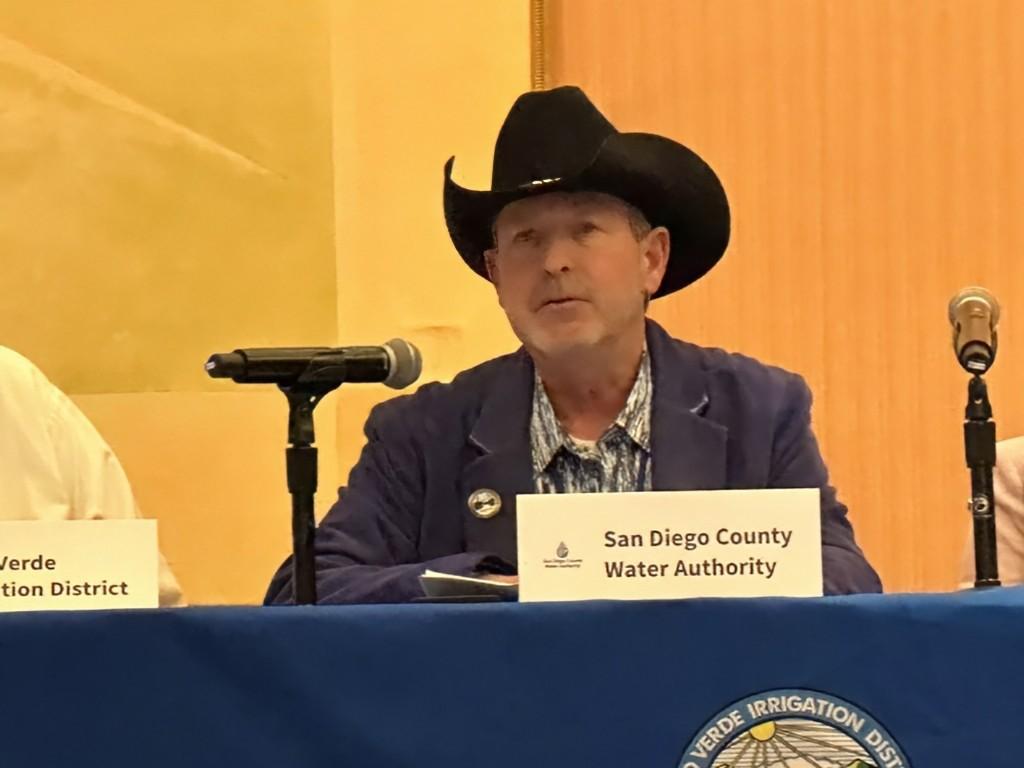
Panelists for the event also included Sally Spener, Foreign Affairs Officer with the International Boundary and Water Commission; Dan Denham, General Manager with the San Diego County Water Authority; Tina Shields, Water Department Manager with the Imperial Irrigation District; Jordan Joaquin Member and Past President of the Quechan Indian Tribe of Fort Yuma Indian Reservation and Carlos A. de la Parra, Founding Partner, with Centro Luken de Estrategias en Agua y Medio Ambiente in Tijuana.

Panelists at the “Future of the Colorado River” event put on by the San Diego County Water Authority.

Water Authority Board Chair Nick Serrano kicked things off, recognizing both the tenuous conditions on the ground but also the opportunities ahead.

“This is truly an extraordinary, unprecedented time for so many reasons,” Serrano said. “I believe history will look back on this moment as one where Southern California came together to secure the future of the Colorado River — not just for ourselves but for all those who depend on it.”

The speakers weighed in on the past, present and future of the Colorado River – with an emphasis on ongoing negotiations among the basin states and other interest groups on how to share this precious resource and what that holds for the 40 million residents of seven states, two countries and tribal nations who depend on this lifeline.

From the impacts of climate change, the perspective of the tribes and Mexico and a deep discussion on where things stand with negotiations on water use from the Colorado River, this lively conversation was both a cautionary conversation about the obstacles ahead but also included notes of optimism about where things are headed.

“I do think there is hope and I think that hope comes from the sense of urgency we all have to embrace,” said Denham.

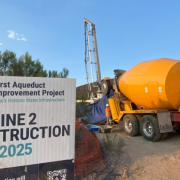
Work being done on the First Aqueduct.

Traffic Impacts Planned for Two Escondido Sites During Aqueduct Upgrades

Starting the second week of August, pedestrians and motorists in Escondido will notice traffic impacts due to construction work on Water Authority facilities as part of the Southern First Aqueduct Facilities Improvement project.

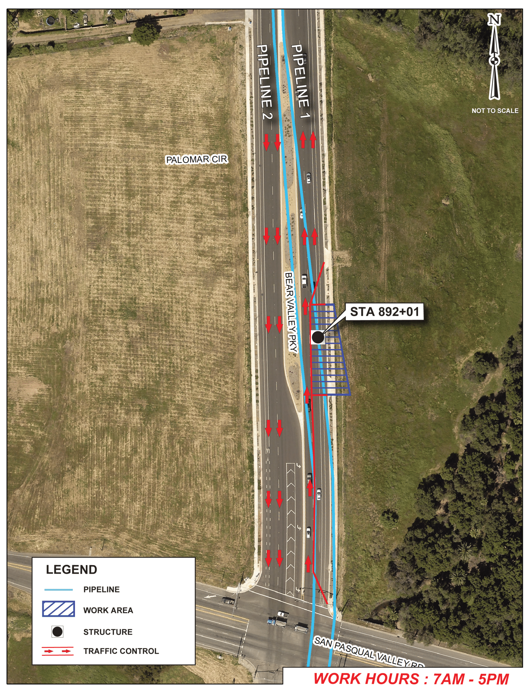
Beginning on August 11, work will take place on Bear Valley Parkway just north of San Pasqual Valley Road where a traffic lane and a bike lane on Bear Valley Parkway will be closed, Monday through Friday from 7 a.m. to 5 p.m.

At a second site on Harding Street, just north of the intersection with East Valley Parkway, traffic will be rerouted in the evenings starting on Aug. 18. The southbound traffic lane, left turn lane, and #1 northbound lane will be closed for nighttime construction from 5 pm to 7 am, Monday through Friday.

Signs and flag crews will help direct traffic around the work areas. Construction activities will include excavation, saw cutting, welding, concrete placement, backfill and paving. Work crews will be driving heavy construction equipment with required backup alarms

A map of the worksite on Bear Valley Parkway.

Work at each of these locations is estimated to last four weeks.

This is part of the Water Authority’s work to upgrade the historic First Aqueduct and ensure continued delivery of safe and reliable water supplies for the region.

The Southern First Aqueduct project stretches 21 miles starting north of Escondido and east of Interstate 15 and continuing south to Slaughterhouse Canyon on the west and ending at the San Vicente Reservoir in Lakeside. Along the way, the work crosses the communities of Escondido, Poway, Rancho Bernardo and parts of unincorporated San Diego County.

The First Aqueduct has been in service over 70 years and serves more than 2 million people countywide. Work around the region to improve the First Aqueduct is expected to continue through summer 2026 with upgrades to 99 structures connected to two massive water pipelines.

The Water Authority is coordinating closely with its member agencies to minimize impacts to residents and businesses and ensure there is no interruption to water delivery.

For more information about the Southern First Aqueduct Facilities Improvement Project, including an interactive map where viewers can zoom in to view work areas, visit www.sdcwa.org/first-aqueduct.  For questions or comments, call (877) 682-9230 ext. 7004 or send email to .

The winning 2025 OMWD landscape project features native plants and is both drought tolerant and fire resistant. Photo: Olivenhain Municipal Water District

Encinitas Resident Wins OMWD 2025 Landscape Contest

Encinitas resident Ramona Copley’s landscape makeover project was selected by the Olivenhain Municipal Water District as the 2025 winner of the annual WaterSmart Landscape Contest. The OMWD board honored Copley at its June board meeting.

Salvias provide plenty of color in the winning landscape design. Photo: Olivenhain Municipal Water District

Salvias provide plenty of color in the winning landscape design. Photo: Olivenhain Municipal Water District

“To reduce our water use, my husband and I wanted to transform our yard of trees and grass into a low-water-use garden,” said Copley about the motivation behind their project.

Design Is Drought-Tolerant and Fire-Resistant

The dry creek bed is a major feature in the new landscape design. Photo: Olivenhain Municipal Water District

The dry creek bed is a major feature in the new landscape design. Photo: Olivenhain Municipal Water District

Copley’s landscape design features a dry creek bed, drip irrigation using a smart controller, blue fescue grass, and a variety of colorful plants, including orange kangaroo paw, purple salvia, and red autumn sage. The garden features several plants native to our region that are both drought-tolerant and fire-resistant, such as California lilac, white rockrose, and Cleveland sage.

“Drought-tolerant landscaping helps conserve San Diego’s water supply,” said OMWD board secretary Christy Guerin. “Mrs. Copley’s landscape offers a good example of an appealing design, climate-appropriate plant selection, and water-efficient irrigation.”

Plant choices are both drought tolerant and fire resistant. Photo: Olivenhain Municipal Water District Encinitas resident

Plant choices are both drought-tolerant and fire-resistant. Photo: Olivenhain Municipal Water District

“We receive many compliments,” said Copley, “and I enjoy taking in the view as I sit in the front yard.

“I am proud to say that my water bill has not changed since we installed the garden. The bill is the same as it was when the yard contained only dirt, while we planned the project and found a landscaper for the design I had in mind,” added Copley.

Countywide Contest Inspires Homeowners

Award-winning landscape projects offer inspiration to other homeowners pursuing their own landscape makeovers. Photo: Olivenhain Municipal Water District Encinitas resident

Award-winning landscape projects offer inspiration to other homeowners pursuing their own landscape makeovers. Photo: Olivenhain Municipal Water District

Since 2006, the county-wide contest has encouraged residential water agency customers to showcase their water-wise landscapes. OMWD is one of 12 water agencies participating in the contest. Each agency selects a winning landscape.

Winners selected by San Diego County Water Authority member agencies throughout the county, and a wide range of landscape resources are available at www.landscapecontest.com.


The result of the Claermans' carefully planned landscape makeover is the 2025 City of Escondido Landscape Contest winner. Photo: City of Escondido

Escondido Landscape Contest Winner Inspired By Local Gardens

The transformation of the Claerman family’s landscaping began with research and field trips. The results of their landscaping makeover were named the 2025 City of Escondido Landscape Makeover contest winner.

Yannick Claerman’s landscape transformation process included research on drought-tolerant plants, plant groupings, soil types, and how to use compost and mulch to enhance water efficiency.

He made visits to local demonstration gardens, which provided him with a little extra inspiration as he began curating a selection of manzanitas, native irises, yarrows, monkeyflower, and multiple varieties of sages.

Grass Becomes A Carpet Of Stars

No longer a traditional lawn, this expanse of lush greenery is made up of 250 dwarf “Carpet of Stars” succulents. Photo: City of Escondido Landscape Contest

No longer a traditional lawn, this expanse of lush greenery is made up of 250 dwarf “Carpet of Stars” succulents. Photo: City of Escondido

It takes a second look to see the change in an original patch of lawn. It doesn’t look much different at first glance, but it underwent an incognito transformation. Claerman replaced this section of grass with 250 Dwarf Carpet of Stars plants, a succulent with a close-growing pattern. Dwarf Carpet of Stairs is dense enough to support foot traffic, just like grass, but it leaves no room for weeds to grow in between the plants.

The slope below the “Carpet of Stars” lawn is planted with flowering natives with every color of bloom and foliage. Photo: City of Escondido

The slope below the “Carpet of Stars” lawn is planted with flowering natives with every color of bloom and foliage. Photo: City of Escondido

The Dwarf Carpet of Stars plants are now slowly growing in. Once they do, it will look as if the lawn never left, offering a space for walking, sitting, and recreation.

Claerman and his wife decided against removing the existing mature palm trees and added a variety of fruit trees and other edible plants alongside the drought-tolerant backdrop.

Sustainable, Efficient Irrigation Use

The Claermans named each of the zones and unique features throughout the yard. This dry riverbed feature is called “Rio Rudy” after the Claermans’ friend, Rudy, who helped Yannick with laying the rocks and myriad other jobs in the landscape transformation process. Photo: City of Escondido Landscape Contest

The Claermans named each of the zones and unique features throughout the yard. This dry riverbed feature is called “Rio Rudy” after the Claermans’ friend, Rudy, who helped Yannick with laying the rocks and myriad other jobs in the landscape transformation process. Photo: City of Escondido

Nevertheless, Claerman still found ways to minimize potable water irrigation. He makes the most of reclaimed water by capturing rain runoff from his roof. Water is stored in a new 2,650-gallon rainwater tank. The runoff water collected in the tank, along with a simple graywater system that reclaims the household’s shower water, is used to irrigate the east side of the garden.

A separate graywater system for the front yard recycles wash water from the laundry room. Yannick placed rocks aboveground to mark the path of the graywater delivery pipes belowground, helping him to select the optimal spot for each new addition to the plant community. Photo: City of Escondido

A separate graywater system for the front yard recycles wash water from the laundry room. Yannick placed rocks above ground to mark the path of the graywater delivery pipes below ground, helping him to select the optimal spot for each new addition to the plant community. Photo: City of Escondido

Claerman installed a separate graywater system for the washing machine, which irrigates the front yard garden.

A door for the garden’s smallest and most whimsical visitors. Although you may not find fairies here, you are sure to see winged pollinators from bees to butterflies, and even bats (roosting in a recently installed bat house) gliding among the blooming natives. Photo: City of Escondido Landscape Contest

A door for the garden’s smallest and most whimsical visitors. Although you may not find fairies here, you are sure to see winged pollinators from bees to butterflies, and even bats (roosting in a recently installed bat house) gliding among the blooming natives. Photo: City of Escondido

Claerman feels rewarded not only by the beauty of the garden, but also by the knowledge that his work in crafting a resilient home landscape will contribute to broader efforts by gardeners everywhere to create a more sustainable future.


"Me-xal Overlook" by Jeff Shearer is the winner in the "Scenic View" category. Photo: Olivenhain Municipal Water District photographers honored

Elfin Forest Recreational Reserve Voted “Best Place to Volunteer”

Last week, The Coast News Group announced its 2025 Best of North County contest winners, which included Olivenhain Municipal Water District’s Elfin Forest Recreational Reserve (EFRR). EFRR took first place in the “Best Place to Volunteer” category after an online vote that included 18 other candidates.

Elfin Forest Recreational Reserve was originally developed when the Olivenhain Municipal Water District partnered with the San Diego County Water Authority and the Bureau of Land Management as an element of the regional Emergency Storage Project. Photo: Olivenhain Municipal Water District

Elfin Forest Recreational Reserve Photo: Olivenhain Municipal Water District

“This accolade is a testament to the wonderful people who make up EFRR’s volunteer community, OMWD rangers, and our strong partnership with the Escondido Creek Conservancy,” said OMWD board director Ebin Lanfried.

Volunteers with EFRR’s Trail Patrol, improve trails and engage with visitors. Volunteers also interact with the public at the Elfin Forest Interpretive Center Honoring Susan J. Varty and take part in outdoor education programs.

Volunteers are encouraged to develop their own programs, such as nature walks, guided hikes, or concerts. EFRR volunteers also engage in social events, environmental presentations, and educational field trips. Currently, EFRR has a team of 68 volunteers, some of whom have been serving since the program began in 2009.

The Elfin Forest Recreational Reserve provides a wealth of opportunities for recreation, outdoor education, and environmental appreciation for all ages. Photo: Olivehain Municipal Water District

The Elfin Forest Recreational Reserve provides a wealth of opportunities for recreation, outdoor education, and environmental appreciation for all ages. Photo: Olivehain Municipal Water District

The 784-acre Reserve was developed by OMWD in partnership with the San Diego County Water Authority and the US Department of the Interior – Bureau of Land Management, as an element of the Olivenhain Water Storage Project and the Authority’s Emergency Storage Project. The Reserve first opened in 1992. Owned by the Authority and managed by OMWD, the Reserve has been designed to unify the interests of domestic water supply development, natural resources management, and recreational opportunities.

The shoreline firepits at Lake Jennings are especially popular during the summer months. Photo: Lake Jennings reservoirs

San Diego Regional Reservoirs Offer Summer Activities

Although San Diego County is best known for its beautiful beaches, it is also home to more than 20 freshwater lakes and reservoirs. These bodies of water offer a variety of recreational opportunities.

Lake fishing lets anglers hook catfish, bluegill, carp, crappie, sunfish, bass, and trout. Water enthusiasts can enjoy kayaking, boating, rowing, and wakeboarding on the calm waters. For families, barbecue and picnic areas offer the perfect location to spend the day by the lake.

Many of San Diego County’s most popular reservoir recreation areas offer seasonal events through Labor Day to celebrate San Diego County’s beautiful summer weather.

Summer In Full Swing At Santee Lakes

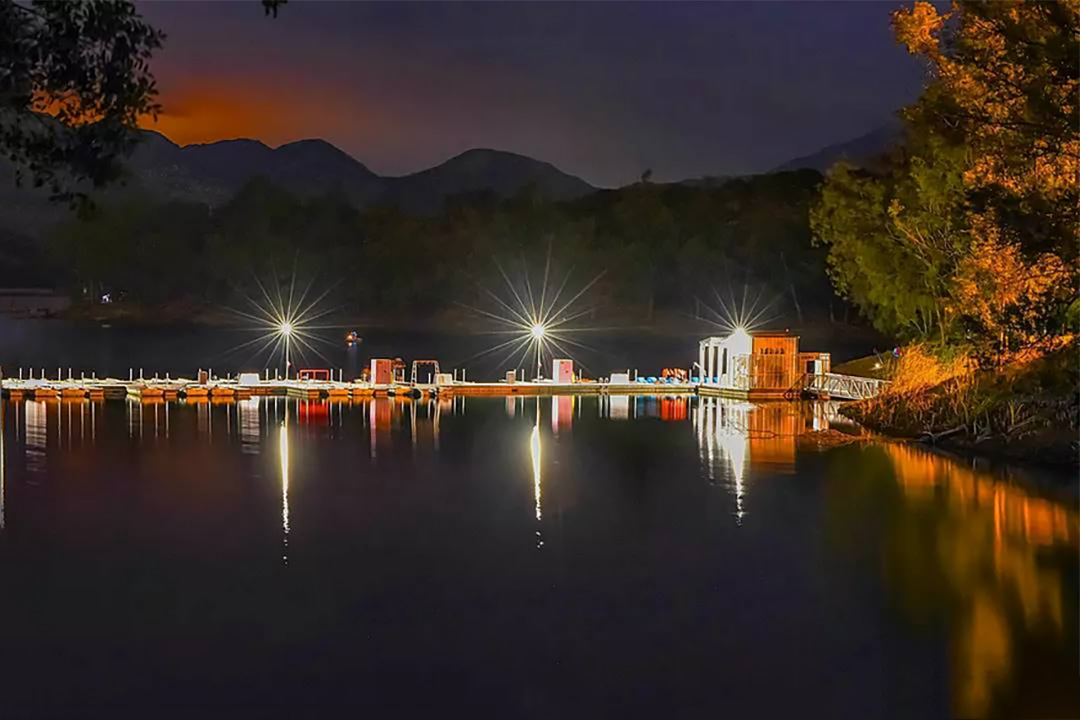
Night fishing is a popular activity at Santee Lakes during the summer months. Photo: Santee Lakes

Night fishing is a popular activity at Santee Lakes during the summer months. Photo: Santee Lakes

Santee Lakes offers a variety of summer activities, including fishing, camping, picnic shelters with BBQ grills, and entertainment. The park also features playgrounds, a sprayground at Lake 1 to cool the kids and their adult friends, and hiking trails. For campers, there is laser tag on Friday nights. 

Enjoy live music with the “Summer Jams on Deck” series featuring music on select Fridays and Saturdays from 5 to 7 p.m.

More than 230 species of birds migrate through or call Santee Lakes home. Photo: Santee Lakes reservoirs

More than 230 species of birds migrate through or call Santee Lakes home. Photo: Santee Lakes

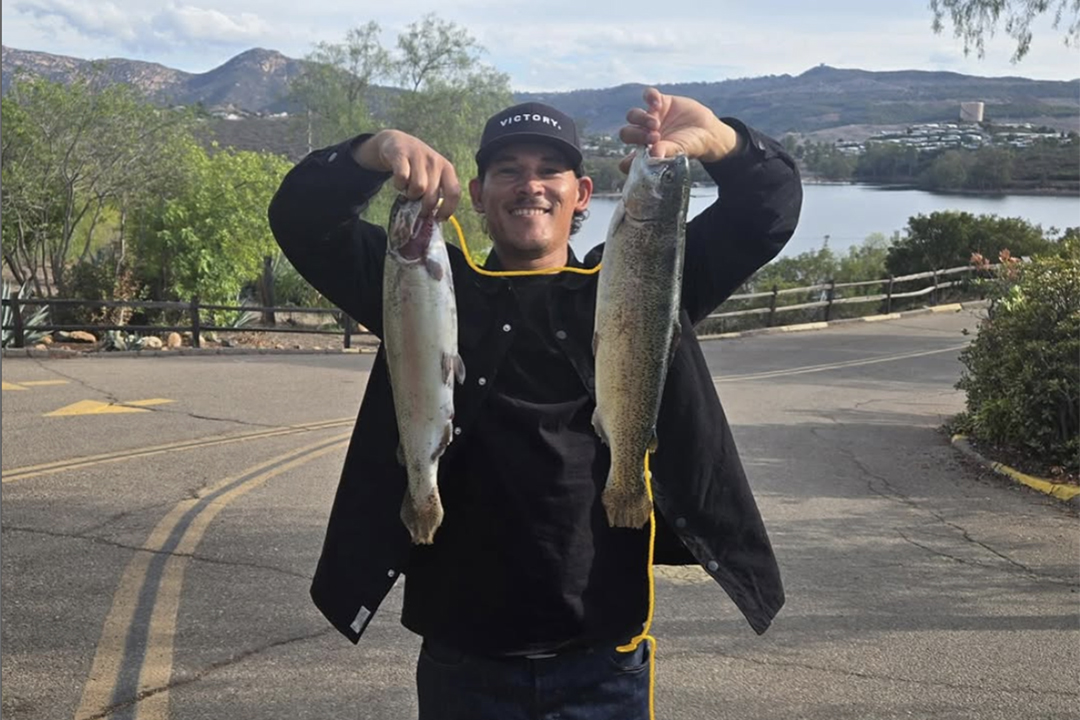
Santee Lakes has seven lakes where fishing is permitted, with options for both day and night fishing (for campers with a permit). If you’re new to fishing, “Fishing 101” is offered on select Saturday mornings through September. A park ranger can offer tips both for beginners and seasoned anglers. Meet at the General Store from 8 a.m. to 9:30 a.m. Check the website Events Calendar for dates.

Originally opened to the public in 1961, today, Santee Lakes Recreation Preserve hosts over 760,000 visitors annually. The 190-acre park’s lakes are stocked with fish year-round. Other amenities include cabin rentals, boating, facility rentals, and approximately 230 bird species.

Lake Jennings Open For Summer Fun

Fishing hours are extended at Lake Jennings during summer months. Photo: Lake Jennings

Fishing hours are extended at Lake Jennings during summer months. Photo: Lake Jennings

Lake Jennings is open daily from 6 a.m. to 5 p.m. Through Labor Day, hours are extended for boating and fishing until midnight (entrance gate closes at 10 p.m.). It is catfish season, with the lake restocked with 1,000 pounds every few weeks throughout the season.

If you want to try for the lake record, Chris Sprecco caught an 84.4 lb. blue catfish on January 18, 2020, breaking the previous lake record of a 71.3 lb. blue catfish held by Bob Bowden on June 1, 2014.

Especially popular in summer months are Hermit Cove lakefront firepit rentals from 6 p.m. to 9 p.m. Firepit rentals include lake entrance fees for up to six people, Adirondack chairs, two bundles of wood, fire starter, and set-up/clean-up. A ranger is on hand to help light and extinguish fires. Visitors can add on S’mores supplies or tailgate supplies, including hot dogs.

Family and friends enjoy gathering around the Lake Jennings firepits on warm summer nights. Photo: Lake Jennings reservoirs

Family and friends enjoy gathering around the Lake Jennings firepits on warm summer nights. Photo: Lake Jennings

Advance reservations are required for dates through October. Firepits can be reserved online or by calling (619) 390-1623. Fishing permits are not included and must be purchased separately.

Lake Jennings is an exceptional destination during the summer months for the serious and casual wildlife viewer and photographer. The rolling hills, the endless lake, the coastal sage, and the riparian areas provide a diverse habitat in a small area. Common sightings include deer, fox, and osprey. Bird watchers are drawn to Lake Jennings for its rich variety of bird species.

Shoreline Fishing At Sweetwater Reservoir

Shoreline fishing is allowed along a 2.5-mile stretch on the south side of Sweetwater Reservoir from Friday through Monday from 7 a.m. to 5 p.m. through September. Located at the eastern edge of Bonita, Sweetwater Reservoir’s Recreation Program is easily accessible and offers outdoor activities, including birdwatching and a riding and hiking trail operated by the County of San Diego.

Visitors must bring their own food, drink, bait, and tackle, including drinking water. Portable restrooms are provided.

The entrance is located at 3203 Summit Meadow Road in Bonita. A valid California Department of Fish and Wildlife Fishing License is required. Regular fishing fees remain in effect on Fridays, Saturdays, and Mondays. For more information on current hours, fees, and safety, visit www.sweetwater.org/fishing.

Primarily a local water supply for the Authority’s 200,000 customers in National City, Chula Vista, and Bonita, the Authority has created recreational opportunities including fishing programs and a riding and hiking trail at Sweetwater operated by the County of San Diego through a license from the Authority.

Lake Miramar Offers Oasis In The Heart of San Diego

The five mile road circling Lake Miramar is popular for cycling, walking, and running. Photo: City of San Diego

The five mile road circling Lake Miramar is popular for cycling, walking, and running. Photo: City of San Diego

Just east of Interstate 15 in Scripps Ranch, the Miramar Reservoir is popular for producing some of the biggest largemouth bass in the world. Visitors can also enjoy boating, kayaking, and canoeing activities. There are 18 barbecues and 48 picnic tables for family outings.

The park’s concession facility offers boat and bike rentals, bait and tackle, and snacks. For walkers, runners, and cyclists, the lake’s five-mile-long scenic trail that wraps around the lake is a popular highlight.

The lake is open daily from sunrise to sunset. For more information, visit the City of San Diego’s website.

San Vicente Reservoir A Favorite For Water Sports

Some of the region's best water sports and fishing is found at the San Vicente Reservoir in Lakeside. Photo: City of San Diego

Some of the region’s best water sports and fishing is found at the San Vicente Reservoir in Lakeside. Photo: City of San Diego

Located in Lakeside, the San Vicente Reservoir is open Thursdays through Sundays from Memorial Day through October. From one half hour before sunrise until sunset, general boating and water contact sports such as water skiing, wakeboarding, stand-up paddleboarding, and canoeing and kayaking are permitted.

Personal watercraft are allowed if safely towing a skier, wakeboarder, or tube device meeting safety regulations.

At San Vicente, visitors can enjoy some of the region’s best fishing. Picnic and barbecue areas and restrooms are open. Leashed dogs are permitted. Visit the lake webpage for additional information.