You are now in Agency News category.

Olivenhain Municipal Water District Logo landscape design workshops

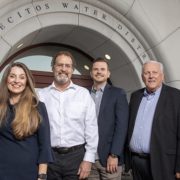
Olivenhain Municipal Water District Honors 2023 “Pure Excellence” Award Winners

Encinitas, Calif. —At its November 15 board meeting, Olivenhain Municipal Water District recognized several community members with “Pure Excellence” awards for making a positive impact in the community in 2023. The winners—Congressman Scott Peters, MiraCosta College, California Landscape Technologies, BCK Programs, and Rich Reimer—were acknowledged for advancing water use efficiency and protecting the natural environment.

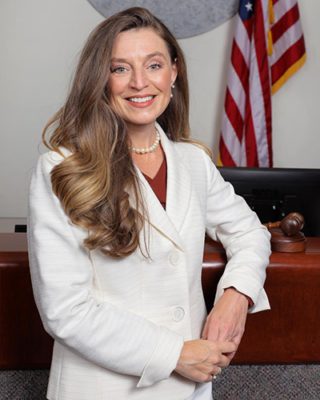
“Tonight, we celebrate the extraordinary efforts of local leaders,” said OMWD Board President Christy Guerin. “The efforts of our honorees will have lasting impacts on our community by helping to develop new water supplies, more efficiently using existing supplies, and fostering respect and appreciation for local watersheds.”

Olivenhain Municipal Water District Logo landscape design workshops

Elfin Forest Recreational Reserve Launches 17th Annual Amateur Photography Contest

Encinitas, Calif. — Olivenhain Municipal Water District invites amateur photographers of all ages to its Elfin Forest Recreational Reserve for the seventeenth annual amateur photography contest that will run from November 18, 2023, through April 21, 2024.

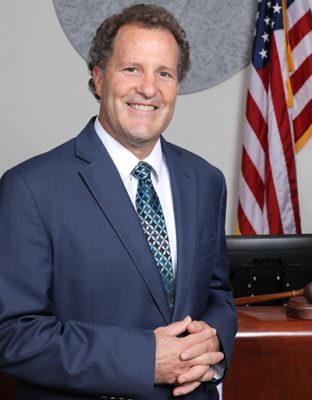
“For seventeen years, our contest has prompted visitors to capture Elfin Forest Recreational Reserve’s stunning beauty from their unique perspective,” said OMWD Board Director Marco San Antonio. “The contest promotes the importance of protecting wildlife habitat at the reserve so that future generations may also enjoy the many wonders it offers.”

San Diego County Water Authority And its 24 Member Agencies

Money Still Available for Low-Income Water Customers in San Diego County

Millions of dollars in federal aid are still available for low-income water customers in San Diego County to cover overdue residential water and wastewater bills. The San Diego County Water Authority helped secure the federal funds — and the deadline for applications has been extended to March 31, 2024.

The Low-Income Household Water Assistance Program (LIHWAP), established by Congress in 2021, offers one-time payments to cover outstanding residential water and/or wastewater bills. The federal government allocated $116 million to California to help households struggling to pay their water bills. Statewide, $40 million remains for the program, with nearly $5 million remaining for San Diego County.

Low-income-household water bills-federal assistance

Money Still Available for Low-Income Water Customers in San Diego County

Millions of dollars in federal aid are still available for low-income water customers in San Diego County to cover overdue residential water and wastewater bills. The San Diego County Water Authority helped secure the federal funds — and the deadline for applications has been extended to March 31, 2024.

The Low-Income Household Water Assistance Program (LIHWAP), established by Congress in 2021, offers one-time payments to cover outstanding residential water and/or wastewater bills. The federal government allocated $116 million to California to help households struggling to pay their water bills. Statewide, $40 million remains for the program, with nearly $5 million remaining for San Diego County.

“Water affordability is one of the top priorities for the Water Authority, and we are committed to helping ensure that everyone in San Diego County has access to safe and reliable water,” said Water Authority General Manager Dan Denham. “In addition to the current funds, the Water Authority is supporting efforts to develop federal legislation to make the low-income assistance program permanent.”

Financial aid for water customers

As part of its commitment to water affordability, the Water Authority partnered with the Metropolitan Area Advisory Committee on Anti-Poverty of San Diego County (MAAC) and Campesinos Unidos, Inc. to provide outreach and education so residents who are struggling economically are aware of the federal financial aid for water customers.

To find out if they are eligible and to participate in LIHWAP, customers must apply directly to MAAC or Campesinos, the local service providers selected by the state to implement the program in the San Diego region. LIHWAP will pay water-wastewater bills of up to $2,000. Qualified low-income households, including renters whose utility payments are included in their rent, are eligible for funds. Residents can determine their local service provider at www.csd.ca.gov/Pages/FindServicesInYourArea.aspx, by entering their city and locating their “water utility assistance provider.”

MAAC is a nonprofit that serves 75,000 individuals every year and partners with individuals and families to address their immediate needs and provide them with the tools and resources to achieve economic mobility. More information is at https://maacproject.org/lihwap/.

Campesinos was incorporated as a private non-profit corporation to specifically promote greater social, economic, educational, and employment training opportunities for farm workers and other economically disadvantaged residents of the Imperial, Riverside and San Diego counties. More information is at https://campesinosunidos.org/water-program/.

Reclamation-Colorado River-Lake Powell-Lake Mead-conservation

Next Steps to Protect Stability and Sustainability of Colorado River Basin

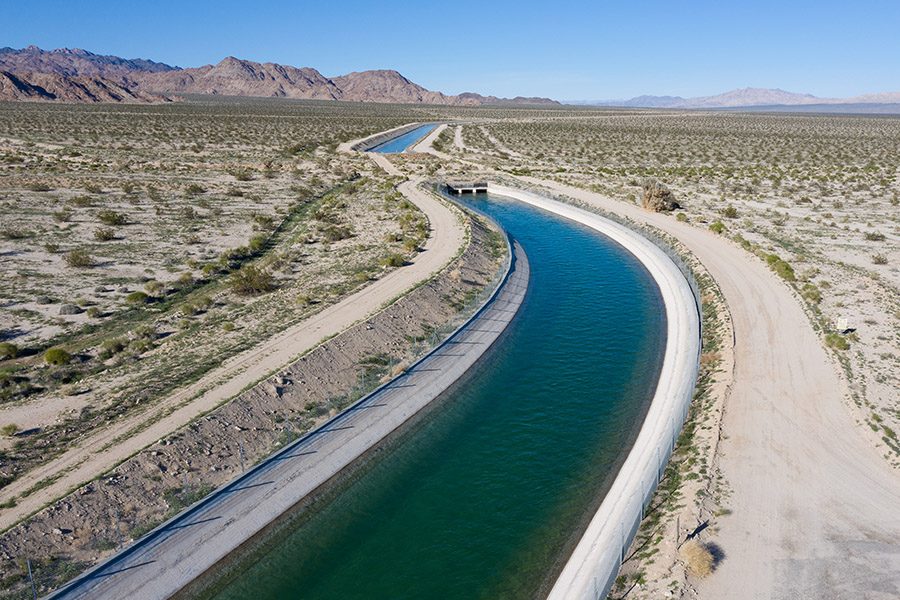
The Biden-Harris administration October 25 announced next steps in the efforts to protect the stability and sustainability of the Colorado River System and strengthen water security in the West. The Department of the Interior’s Bureau of Reclamation released a revised draft Supplemental Environmental Impact Statement (SEIS) as part of the ongoing, collaborative effort to update the current interim operating guidelines for the near-term operation of Glen Canyon and Hoover Dams to address the ongoing drought and impacts from the climate crisis.

In order to protect Glen Canyon and Hoover Dam operations, system integrity, and public health and safety through 2026 – at which point the current interim guidelines expire – an initial draft SEIS was released in April 2023. Following a historic consensus-based proposal in partnership with states – which committed to measures to conserve at least 3 million-acre-feet (maf) of system water through the end of 2026 enabled by funding – Reclamation temporarily withdrew the draft SEIS to allow for consideration of the new proposal.

The revised draft SEIS includes two key updates: the Lower Basin states’ proposal as an action alternative, as well as improved hydrology and more recent hydrologic data. The release of the revised draft SEIS initiates a 45-day public comment period.

“Throughout the past year, our partners in the seven Basin states have demonstrated leadership and unity of purpose in helping achieve the substantial water conservation necessary to sustain the Colorado River System through 2026,” said Deputy Secretary Tommy Beaudreau, who led negotiations on behalf of the Administration. “Thanks to their efforts and funding, we have staved off the immediate possibility of the System’s reservoirs from falling to critically low elevations that would threaten water deliveries and power production.”

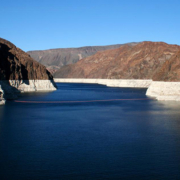
Lake Powell and Lake Mead at “historically low levels”

“The Colorado River Basin’s reservoirs, including its two largest storage reservoirs Lake Powell and Lake Mead, remain at historically low levels. Today’s advancement protects the system in the near-term while we continue to develop long-term, sustainable plans to combat the climate-driven realities facing the Basin,” said Reclamation Commissioner Camille Calimlim Touton. “As we move forward in this process, we are also working to ensure we have long-term tools and strategies in place to help guide the next era of the Colorado River Basin.”

Key components of revised draft SEIS

Reclamation conducted updated modeling analyses using June 2023 hydrology for the No Action Alternative, Action Alternatives 1 and 2 from the initial draft SEIS, and the Lower Division proposal. The results of that modeling indicate that the risk of reaching critical elevations at Lake Powell and Lake Mead has been reduced substantially. As a result of the commitment to record volumes of conservation in the Basin and recent hydrology, the chance of falling below critical elevations was reduced to eight percent at Lake Powell and four percent at Lake Mead through 2026. However, elevations in these reservoirs remain historically low and conservation measures like those outlined by the Lower Division proposal will still be necessary to ensure continued water delivery to communities and to protect the long-term sustainability of the Colorado River System.

Based on these modeling results, Reclamation will continue the SEIS process with detailed consideration of the No Action Alternative and the Lower Division Proposal. The revised SEIS designates the Lower Division Proposal as the Proposed Action. Alternatives 1 and 2 from the initial SEIS were considered but eliminated from detailed analysis.

Funding key to increase conservation efforts

Investing is key in the efforts to increase near-term water conservation, build long term system efficiency, and prevent the Colorado River System’s reservoirs from falling to critically low elevations that would threaten water deliveries and power production. Because of this funding, conservation efforts have already benefited the system this year.

This includes eight new System Conservation Implementation Agreements in Arizona that will commit water entities in the Tucson and Phoenix metro areas to conserve up to 140,000-acre feet of water in Lake Mead in 2023, and up to 393,000-acre feet through 2025. Reclamation is working with its partners to finalize additional agreements. These agreements are part of the 3 maf of system conservation commitments made by the Lower Basin states, 2.3 maf of which will be compensated through funding from the Inflation Reduction Act, which invests a total of $4.6 billion to address the historic drought across the West.

Through the Bipartisan Infrastructure Law, Reclamation is also investing another $8.3 billion over five years for water infrastructure projects, including water purification and reuse, water storage and conveyance, desalination and dam safety.

To date, the Interior Department has announced the following investments for Colorado River Basin states, which will yield hundreds of thousands of acre-feet of water savings each year once these projects are complete:

Long-Term Planning Efforts to Protect the Colorado River System

The process announced October 25 is separate from the recently announced efforts to protect the Colorado River Basin starting in 2027. The revised draft SEIS released today would inform Reclamation’s ongoing efforts to set interim guidelines through the end of 2026; the post-2026 planning process advanced last week will develop guidelines for when the current interim guidelines expire.

(Editor’s note: The San Diego County Water Authority supports a consensus-based approach for long-term solutions to water supply issues in the Colorado River Basin. The content of the USBR news release has been edited by WNN.) 

San Diego County Water Authority And its 24 Member Agencies

Jeff Stephenson Named Director of Water Resources

October 24, 2023 – Jeff Stephenson has been appointed director of water resources for the San Diego County Water Authority, where he leads the department responsible for regional water supply planning and long-term facilities planning.

Stephenson brings more than 27 years of experience at the Water Authority to fill the position vacated by the department’s previous director, Kelley Gage, who was appointed assistant general manager in August. Stephenson served as acting director of the Water Resources Department for the past three months, and previously served as a water resources manager in the department.

Water Year 2023-Atmospheric Rivers-CW3E

The Atmospheric Rivers of Water Year 2023: End of Water Year Summary

For insight into the numerous atmospheric rivers that brought impressive precipitation accumulations to California this Water Year and how it compares to previous years, the Scripps Institution of Oceanography Center for Western Weather and Water Extremes provides this end of water year 2023 summary.

Water Year 2023 and Atmospheric Rivers

Center for Western Weather and Water Extremes-atmospheric rivers-water year 2023-Scripps Institution of Oceanography

• Water Year 2022 experienced a total of 61 landfalling ARs over the U.S. West Coast, 15 more than Water Year 2023.
• While WY 2022 experienced more ARs, a much larger majority of the ARs only impacted the Pacific Northwest.
• Water Year 2023 was dominated by a more southerly storm track, bringing stronger and more frequent ARs to California compared to the WY 2022
• This variation in storm track and AR distribution resulted in the Pacific Northwest experiencing below normal precipitation and California experiencing well above normal precipitation during WY 2023, a reversal of WY 2022

Atmospheric Rivers-Water Year 2023 compared to Water Year 2022-CW3E

Atmospheric Rivers-CW3E-climate science-weather

Strong ARs-CW3E-Atmospheric Rivers-climate science

Central California's Water Year-Atmospheric Rivers-CW3E

Water Year 2023-Atmospheric Rivers-CW3E

Analysis by Chad Hecht, Julie Kalansky, & F. Martin Ralph. This analysis is considered experimental.

New California Law Taps Science to Improve Water Management

Legislation signed into law by California Governor Gavin Newsom earlier this year ensures the state has the science and weather forecasting tools it needs for more flexible reservoir operations. The bill, AB 30, makes breakthrough water management technology standard for the California Department of Water Resources.

The legislation was introduced by San Diego Assemblymember Chris Ward and co-sponsored by the Sonoma County Water Agency and the San Diego County Water Authority. The bill was supported by the Water Authority’s partner, UC San Diego’s Scripps Institution of Oceanography.

Forecast-Informed Reservoir Operations strategy will help deal with drought and flood

The strategy is called forecast-informed reservoir operations, or FIRO, and it complements Gov. Newsom’s California Water Supply strategy released in August 2022 calling for more reservoir storage capacity to capture runoff from big storms, often fueled by atmospheric rivers. The governor and Legislature have already provided funding for state water managers to integrate the strategy.

(Editor’s Note: The San Diego County Water Authority has partnered with the Scripps Institution of Oceanography at UC San Diego to better predict atmospheric rivers and improve water management before, during, and after those seasonal storms.)

Lake Mead-Lake Powell-Colorado River Basin-U.S. Bureau of Reclamation

Bureau of Reclamation Advances Long-Term Planning Efforts to Protect the Colorado River System

The Biden-Harris administration October 19 announced next steps in the formal process to develop future operating guidelines and strategies to protect the stability and sustainability of the Colorado River system and strengthen water security in the West. The guidelines under development would be implemented in 2027, replacing the 2007 Colorado River Interim Guidelines for Lower Basin Shortages and the Coordinated Operations for Lake Powell and Lake Mead, which are set to expire at the end of 2026.

Long-Term Planning Efforts to Protect the Colorado River System

The Department of the Interior’s Bureau of Reclamation published the Proposed Federal Action and a Scoping Summary Report related to Colorado River Basin operations post-2026. The Scoping Report, which was supported by a 60-day public scoping period, will inform the post-2026 operating guidelines. This planning process is separate from ongoing efforts to protect the Colorado River Basin through the end of 2026.

These steps to protect the Colorado River Basin now and into the future will help increase water conservation, improve water efficiency, protect critical environmental resources, and prevent the Colorado River system’s reservoirs from falling to critically low elevations that would threaten water deliveries and power production. These actions provide pivotal resources to enhance the resilience of the West to drought and climate change, including to protect the short- and long-term sustainability of the Colorado River System. Through the Bipartisan Infrastructure Law, Reclamation is investing $8.3 billion over five years for water infrastructure projects, including water purification and reuse, water storage and conveyance, desalination and dam safety. The Inflation Reduction Act is investing an additional $4.6 billion to address the historic drought, including by funding water conservation efforts across the Colorado River Basin.

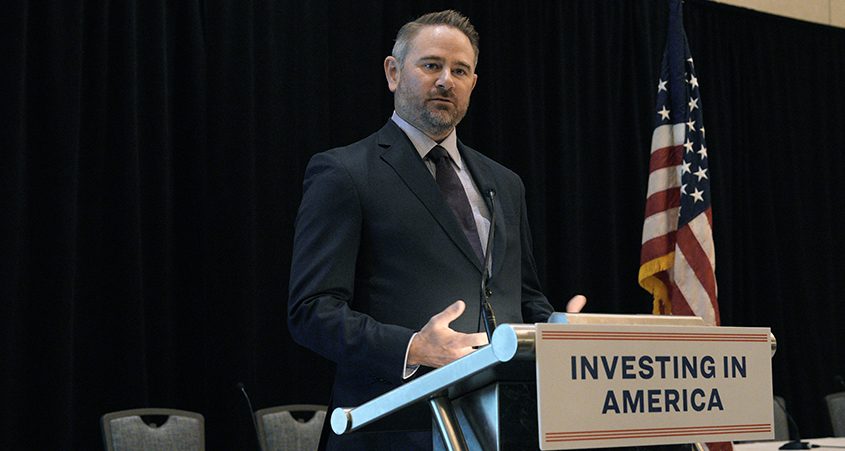
“President Biden’s Investing in America agenda has deployed historic investments as we’ve worked collaboratively with states, Tribes and communities throughout the West to find consensus solutions in the face of climate change and sustained drought,” said Deputy Secretary Tommy Beaudreau. “As the Department works with those partners to stabilize the Colorado River in the short-term, we are also committed to ensuring the long-term sustainability of the Basin for decades to come based on the best-available science and with robust input from stakeholders across the West.”

Colorado River Basin

The Colorado River Basin provides essential water supplies to approximately 40 million people and 30 Tribal Nations, nearly 5.5 million acres of agricultural lands, and habitat for ecological resources across parts of several Western states (including Arizona, California, Colorado, Nevada, New Mexico, Utah and Wyoming) and Mexico. But prolonged drought, driven by climate change and coupled with low runoff conditions in the last several years, resulted in historically low reservoir levels at Lake Powell and Lake Mead.

Consensus-approach to water conservation

The post-2026 planning process builds on the Biden-Harris administration’s ongoing efforts to protect the Colorado River Basin. Earlier this year, Administration leaders brought together stakeholders from across the Basin to build a consensus for water conservation efforts through the end of 2026, enabled by investments from the President’s Investing in America agenda. By the end of October, the Department will issue a draft Supplemental Environmental Impact Statement to revise the December 2007 Record of Decision, which will set interim guidelines through the end of 2026. The post-2026 process being advanced today will develop guidelines for when those interim guidelines would expire.

“The Colorado River Basin has come together over the past year to create a consensus path in the short term that now allows us to focus on the future. Today’s next steps for post-2026 planning helps continue the momentum between all stakeholders across the Basin on what the future operations of this critical system will look like,” said Reclamation Commissioner Camille Calimlim Touton. “As the range of alternatives is developed, Reclamation is committed to a collaborative, inclusive and transparent process with our partners, stakeholders and the public.”

To date, the Interior Department has announced the following investments for Colorado River Basin states, which will yield hundreds of thousands of acre-feet of water savings each year:

Post-2026 planning process

The post-2026 process is a multi-year effort that will identify a range of alternatives and ultimately determine operations for Lake Powell and Lake Mead and other water management actions, potentially for decades into the future. Using the best-available science, Reclamation will develop a draft environmental impact statement (EIS) that will analyze how future operational guidelines and strategies can be sufficiently robust and adaptive to withstand a broad range of hydrological conditions and ultimately provide greater stability to water users and the public throughout the Colorado River Basin.

The completed draft EIS is anticipated by the end of 2024 and will include a public comment period. Reclamation anticipates a final EIS will be available in late 2025, followed by a Record of Decision in early 2026.

As part of Reclamation’s robust and transparent process to gather feedback, three virtual public webinars were held during the scoping period. Reclamation also engaged Basin stakeholders via stakeholder briefings; the formation of a new Federal-Tribes-States working group; two meetings of the Integrated Technical Education Workgroup; and individual communications.

While the post-2026 process will determine domestic operations, the Biden-Harris administration is committed to continued collaboration with the Republic of Mexico. It is anticipated that the International Boundary and Water Commission will facilitate consultations between the United States and Mexico, with the goal of continuing the Binational Cooperative Process under the 1944 Water Treaty.

Arizona, California and Nevada commit to record-setting conservation to protect the Colorado River

The Lower Colorado River Basin states – water users in Arizona, California and Nevada – are contributing record volumes of water to Lake Mead. By the end of 2023, cumulatively, the Lower Basin will have voluntarily conserved more than 1 million acre-feet – water that is being held back in Lake Mead for the benefit of the entire system over and above shortage reductions agreed to in 2007 and those of the 2019 Drought Contingency Plan. In 2023, consumptive use in the Lower Basin States is expected to be around 5.8 million acre-feet, the lowest consumptive use since 1984.

Read the full news release from California, Arizona and Nevada via the State of California California River Board website.

(Editor’s note: The San Diego County Water Authority supports a consensus-based approach for long-term solutions to water supply issues in the Colorado River Basin. The content of the USBR news release has been edited by WNN.) 

Olivenhain Municipal Water District Logo landscape design workshops

Water and Irrigation Workshop on November 6 in Encinitas

Encinitas, Calif. — Olivenhain Municipal Water District invites the public to attend a free “Water and Irrigation Workshop.” The workshop aims to empower residents with strategies to improve water use efficiency. It will be held on November 6, from 5:00 p.m. to 8:00 p.m., at the Encinitas Community and Senior Center, located at 1140 Oakcrest Park Drive in Encinitas.

The workshop is designed for individuals interested in the latest irrigation advances that integrate water use efficiency and stormwater capture elements into landscapes. Participants will also learn about simple irrigation system retrofits and how to create a sustainable landscape.

The workshop is offered in partnership with San Dieguito Water District, Santa Fe Irrigation District, City of Encinitas, and San Diego County Water Authority.

“Collaboration with local water agencies is essential in our journey toward a sustainable water future,” said OMWD Board Director Larry Watt.  “By harnessing advanced irrigation techniques, we can ensure responsible stewardship of our water resources for generations to come.”

Registration for the workshop is required at www.olivenhain.com/events.

San Diego County Water Authority And its 24 Member Agencies

Gov. Newsom Signs Bill to Protect Water Ratepayers

The Water Ratepayers Protection Act of 2023 (Assembly Bill 399) was signed Friday by California Gov. Gavin Newsom, adding affordability safeguards for residents and businesses in the San Diego County Water Authority’s service area.

The legislation, introduced by Encinitas Assemblymember Tasha Boerner and sponsored by the City of San Diego, expands voting requirements should agencies seek to withdraw or “detach” from the Water Authority. Under the new law, a majority vote in both the separating district and the County Water Authority would be necessary to complete a detachment as of Jan. 1, 2024.

“This is a simple matter of fairness,” said Water Authority Board Chair Mel Katz. “The people whose rates would increase if a water district leaves the County Water Authority should have a say. It’s gratifying that the state Legislature and the governor added these important protections for disadvantaged communities, working families, farmers, and others across San Diego County.”